

28
Aug
Effective Black Mold Tampa Bay: Your Complete Guide
Black Mold in Tampa Bay: What Every Homeowner Must Know
Here’s a quick look at what this guide covers for you:
- Learn what black mold is and what health risks it may have in the Tampa Bay area.
- Know the common signs that show you have a mold problem in your home.
- Find out what causes mold, often from water damage and high humidity.
- See the difference between doing mold removal yourself and hiring mold remediation services.
- Understand when you need to call experts for mold removal so your home can be safe.
- Get peace of mind by using strong and trusted mold solutions.
Introduction
Finding black mold in your home can be scary. The mold grows fast in wet or damp places. It can hurt your home and also your health. When there is mold growth, it lets out tiny mold spores into the air. You can breathe them in without knowing. Knowing what causes black mold and what you can do about it is important. This can help keep your home and family safe. This guide will show you what steps you need to take when you find mold in the Tampa Bay area. You will learn how to handle it so you can feel better and stay safe in your house.
Understanding Black Mold in Tampa Bay
Living in Tampa Bay gives you great weather, but the high humidity can make mold growth easy. Black mold is a big problem for many people here. It likes to grow in places that are both warm and wet. That is why you need to watch for it all the time.
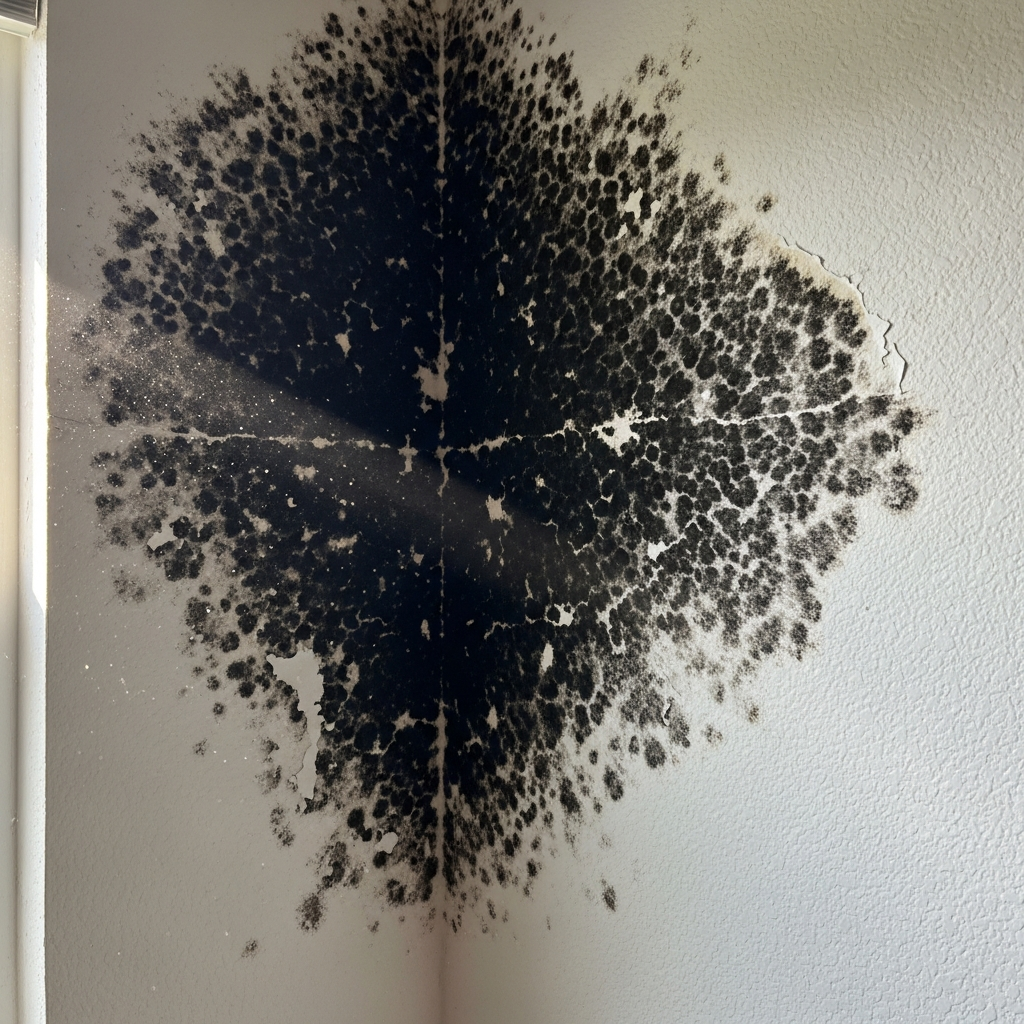
You can spot black mold if you see dark, round spots on walls or other damp surfaces. It also makes the air smell musty. Both are signs that you might have a mold problem. Because mold can bring health risks, it is good to find it early. In this guide, we will talk about what black mold is. We will also look at other types of mold you may see in your house.
What Is Black Mold and Why Is It Harmful?
Black mold, also called Stachybotrys chartarum, is a type of fungus. It is often greenish-black in color. You will find it growing on things made of cellulose, like wood, paper, or fiberboard. These places make it easy for the mold to grow, especially if they stay wet for a long time. Not every mold that is dark is harmful, but Stachybotrys can make mycotoxins. These can hurt your health.
When people breathe in these mold spores, there can be health risks for those in Tampa Bay. It can affect your indoor air quality. Some may just have mild allergic reactions, like sneezing or itchy eyes. Others may get worse problems with breathing. If you have asthma or your immune system is weak, you may have an even harder time.
It is important to fix a mold problem quickly. Long contact with mold spores can cause problems for many years. You want to keep your home environment safe. Knowing about these dangers helps you see why you should take action to improve air quality.
Common Types of Mold Found in Tampa-St Petersburg (Sarasota), FL Homes
While black mold gets a lot of attention, it’s not the only type of mold that can appear in Tampa Bay homes. Different types of molds can create visible mold colonies, and identifying the type of mold can help you understand the extent of the mold contamination. Knowing what to look for can help you identify a potential problem early on.
Two other common molds are Penicillium and Aspergillus. Penicillium often appears as blue or green patches and can cause allergic reactions. Aspergillus comes in various colors, including yellow, green, or black, and can lead to respiratory infections in some people, especially those with existing health conditions.
Recognizing the different appearances of mold colonies is key. You can often tell if you have black mold if you see dark, circular patches, but other molds can also be harmful. Here’s a quick look at common molds:
Type of Mold | Common Appearance | Potential Health Risks |
|---|---|---|
Stachybotrys (Black Mold) | Greenish-black, slimy patches | Allergic reactions, respiratory issues, toxic effects |
Penicillium | Blue or green, fuzzy texture | Allergic reactions, respiratory problems |
Aspergillus | Varies (white, yellow, green, black) | Respiratory infections, allergic reactions |
Recognizing Signs of Black Mold
Knowing the signs of mold is the first thing to help you get it out of your house. Most of the time, your nose finds the issue before your eyes do. If you notice a musty odor that sticks around, it is a clear sign that mold could be living somewhere in your home. You might not see it right away, but the smell is a warning.
Still, visible mold is the easiest way to tell you have a problem. You may spot dark marks or patches on walls, ceilings, or other areas. Along with what you can see and smell, you should also watch out for any strange health effects. If you or someone in your family is not feeling well for no clear reason, mold could be the cause. We will share both the visual signs and health effects to keep an eye on.
Visual Indicators in Your Property
One of the easiest ways to know if you have a mold issue is to see visible mold in your home. Mold colonies can be many different colors and textures. Black mold usually shows up as dark, spotty patches on a surface. It may look slimy or fuzzy, and this depends on how much water is there and what the mold is on.
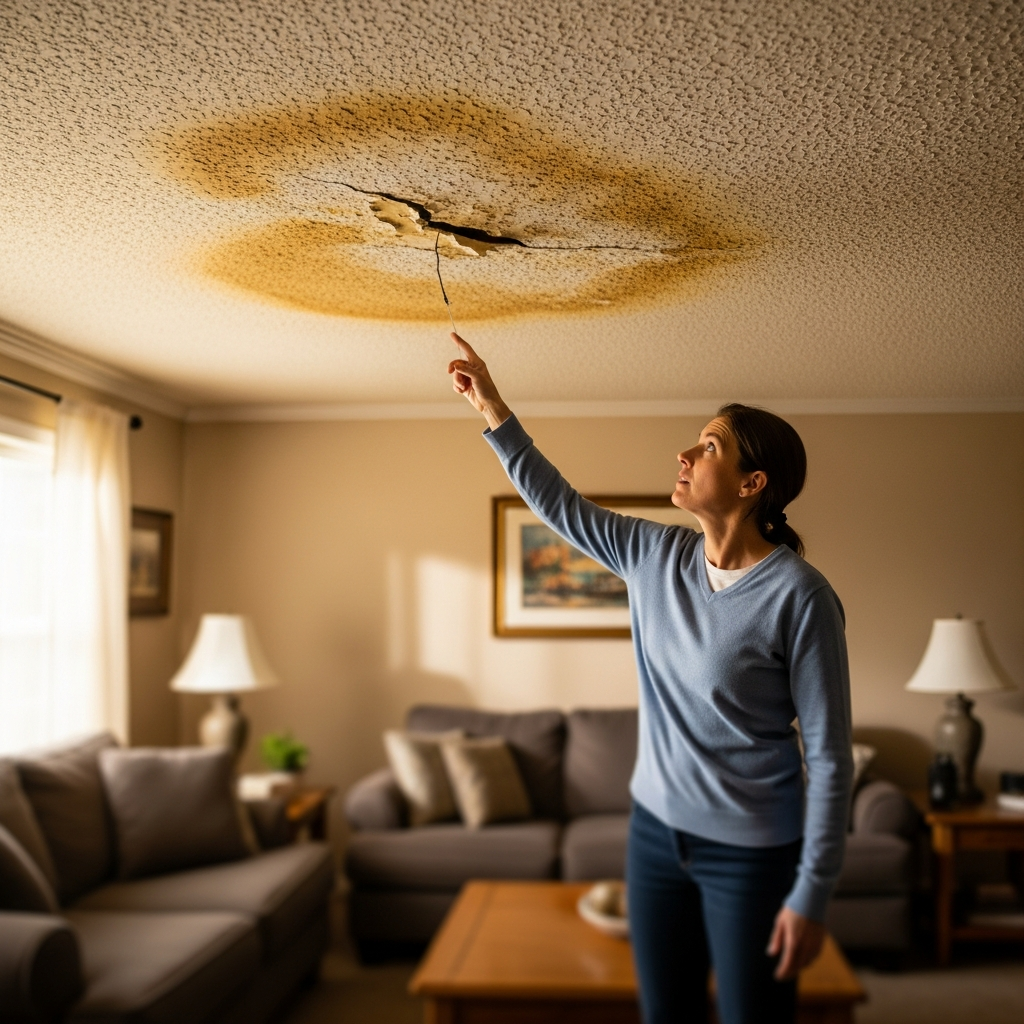
Water stains on your walls, ceilings, or floors are also strong signs that there may be a problem. These dirty-looking or discolored areas mean that there has been or still is moisture there. This makes the perfect spot for mold to grow. You may not always see visible mold, but stains say there is a risk. If you notice a musty odor in any affected areas, that is another big clue.
If you notice signs of mold, you need to do something about it. Here are a few signs you should check for:
- Dark, round spots or patches in damp places like your bathroom or basement.
- Discoloration or water stains on your walls, ceilings, or near windows.
- Paint or wallpaper that is peeling, bubbling, or cracking.
- A strong, musty odor or earthy smell in your rooms that does not seem to come from anywhere else.
Symptoms of Mold Exposure Among Residents
Mold exposure does not just harm your home. It can also lead to big health risks. When mold grows, it lets out spores in the air. If you breathe in these spores, they can cause different health effects. People with weak immune systems may get hit the hardest. The health risks from black mold for tampa bay people can be mild or even get serious.
For most people, early mold exposure signs look like what you get with allergies every year. These include sneezing, a runny nose, and itchy, watery eyes. But mold-related symptoms usually stay as long as you are around mold. They do not fade away now and then like allergies can.
If you or someone in your family has symptoms that do not go away and do not have a clear cause, it might be from mold. Here are some health effects to pay attention to:
- Persistent coughing, wheezing, or other respiratory problems.
- Nasal and sinus congestion or a runny nose.
- Skin irritation or rashes.
- Headaches, fatigue, and difficulty concentrating.
Causes of Black Mold Growth in Tampa Bay
Mold growth is almost always caused by one main thing: moisture. In Tampa Bay, the air is often humid. This makes the area a good place for mold to grow. When there is excess moisture in the air, it can settle on things in your home. This gives mold the water it needs to start growing. This is why you must control humidity levels in your home.
But it is not just about everyday humidity. Many times, water damage is a big reason for mold growth. A leaky pipe, water from a damaged roof, or flooding can bring more water inside your place. If these wet spots are not dried fast and fully, mold can start to grow in those areas. Next, we will talk about Florida’s weather and common sources of water damage.
Environmental Factors Unique to Florida
Florida is known for having a lot of high humidity. This type of weather is a big reason why black mold can be a problem for homes in the area. Humid environments mean there is a lot of moisture in the air. Even a small leak or spot without good airflow can turn into a big mold situation.
Heavy rain and strong storms happen a lot in Tampa Bay. These can cause water to get inside houses. When this water mixes with warm air, black mold will start to grow fast. If the air does not move well, and moisture stays trapped, places like attics, closets, and basements often get hit the most.
It is important to deal with too much moisture before it leads to black mold. There are a few things that can cause this problem in Tampa Bay homes:
- Sustained high humidity levels that create damp surfaces.
- Poor ventilation in areas like bathrooms, kitchens, and attics.
- Condensation buildup on windows, pipes, and walls.
- Frequent rain and storms leading to water leaks.
Typical Sources of Moisture and Water Damage
The first and most important thing you need to do to stop and control mold is to find out where the moisture comes from. Water damage can happen for many reasons. Some you will see right away, while others are harder to spot. A pipe that breaks suddenly is easy to notice. But slow leaks that you do not see can go on for weeks or months. Often, the first thing you will notice is water stains.
These slow leaks soak building materials. Drywall, wood, and insulation can all soak up this water. When this happens, these things turn into a food source for mold. Appliances often cause leaks too. Dishwashers, washing machines, and refrigerators can leak in places you can’t see. Water might sit behind them or under them. The areas affected by this moisture give mold a great place to grow.
The best way to keep mold away is to stop moisture before it becomes a problem. Check for water issues on a regular basis and fix them as soon as you find any. Watch out for these common sources of moisture:
- Leaky plumbing under sinks, behind walls, or in ceilings.
- Faulty dishwashers, refrigerators, or washing machines.
- Roof leaks or window seals that let rainwater inside.
Testing and Identifying Black Mold
If you think there is mold but cannot see it, or you want to find out what type of mold you have, mold testing can help. It shows if there are mold spores in your space and tells you how bad the problem is. This gives you peace of mind and shows you what to do next.
There are a few ways to do mold testing. You can try surface testing on your own, or you can hire a pro for a full mold inspection. Each choice has good and bad points. We will look at DIY testing, professional services, and see how a certified mold inspection works.
DIY Testing vs Professional Mold Inspection
When you want to do mold testing, you can either use a do-it-yourself kit or hire professional services. DIY kits are easy to find and they are a good place to start if you see a spot that looks like mold. They do not cost a lot and can help you know if mold is there.
But these kits do not do everything you may need. They usually cannot tell you how many mold spores are in the air or spot mold that is hiding behind walls. If you want to check the air quality in the home or find hidden mold, professional mold testing is better. Professionals use specialized equipment to get clear results.
You should choose between a DIY kit and professional help based on your needs. Here are some things to think about:
- DIY kits work best when you need to test small and visible areas you suspect have mold.
- You should go with professional mold inspection if you smell mold but do not see it, or if your home has been through water damage.
- Professionals give you full reports about the types of mold and how much of it is there. This is important to get rid of mold properly.
How a Certified Mold Inspection Works
When you get certified experts for a mold inspection, you get a complete and clear look at your property. The process the experts use is more involved than just checking by eye. Inspectors use advanced equipment to find mold that you might not see and to figure out how much is there.
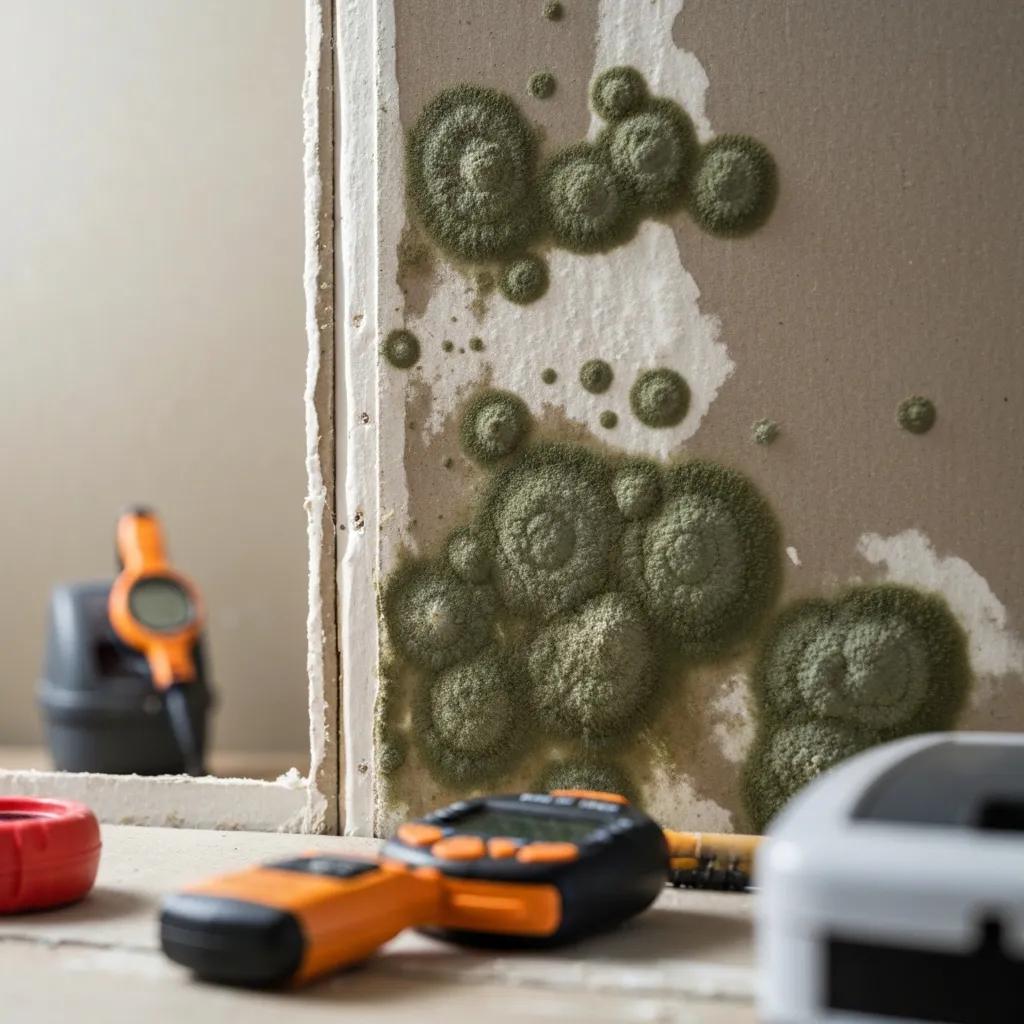
At the first step of the process, they do a visual check and look for wet spots with tools like thermal cameras and moisture meters. These tools help show where mold might be growing. After this, the inspector will take samples, either from the air or from surfaces, and send them to a lab for close testing.
The lab will then tell you exactly what type of mold is there and how much. Once the results are in, the experts will put together a detailed report. This report explains the findings and gives you a plan for remediation services. Having a professional inspection helps make sure you know the full story before you start to clean up the area.
- Inspectors use specialized equipment like moisture meters and thermal cameras.
- Air and surface samples are collected for laboratory analysis.
- You receive a detailed report with the findings and a plan for remediation.
Black Mold Removal Solutions in Tampa Bay
Once you find mold, the next thing to do is mold removal. The size and spot of the mold will help you decide if you want to do the mold cleanup yourself or go for professional mold remediation. If it is a small and closed area, you might be able to handle it on your own.
But if you have a big problem, or if you worry about health effects, it is best to pick professional mold remediation. People in the Tampa Bay area have experts with the right tools and training for mold removal and to help stop it from coming back. We will look at safe DIY options and also talk about when you should get help from a pro.
Safe DIY Removal Methods
If you find mold in a small area (usually less than 10 square feet), you may be able to clean it by yourself. But, before you begin the mold removal process, make sure to keep yourself safe. Wear an N95 mask, gloves, and safety goggles. This will help you avoid breathing in mold spores or getting them on your skin.
To clean mold from hard surfaces, use a mix of household detergent and water. Scrub the affected areas well. After that, dry them fully. This helps make your home environment a place where mold does not grow easily. Try not to use bleach. Bleach does not work well on porous surfaces and its fumes can be bad for you. Once you finish cleaning, keep an eye on the area to see if the mold comes back.
Dealing with a small mold issue yourself can be okay for a short time. But, the best thing is prevention of mold. Here are simple tips for a DIY approach:
- Isolate the area so mold spores do not spread.
- Use the right protective gear, like a mask and gloves.
- Clean with a detergent solution and then dry the area fully.
When To Hire a Professional Remediation Company
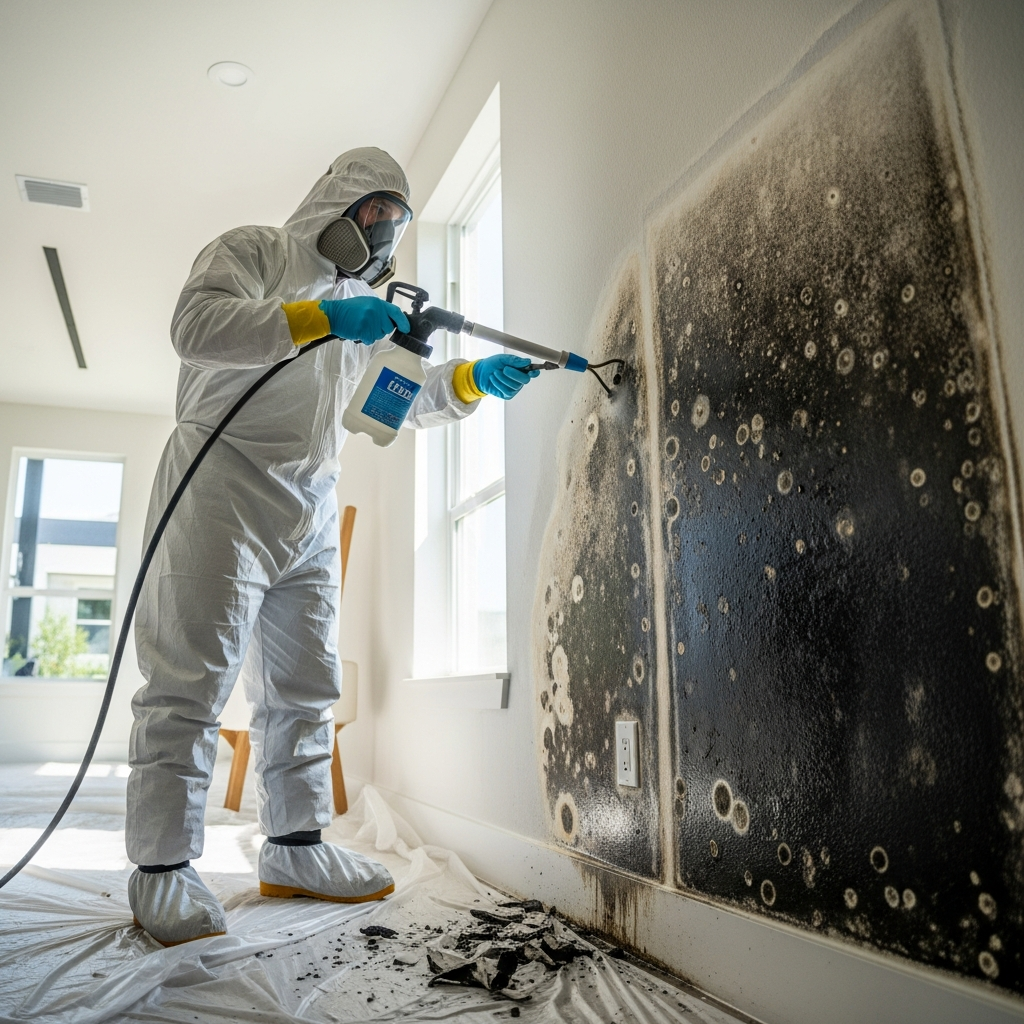
Do-it-yourself methods may help with small mold spots. But there are times when you should call in a professional mold remediation company. If the mold covers more than 10 square feet or you think it is behind your walls or in your HVAC system, you need certified experts. These companies use special tools and have the know-how to handle big mold problems the right way.
It is also smart to hire a great company if you or people in your home have health problems, like asthma or allergies, that could come from mold. Professionals follow safety steps to stop mold spores from spreading in your house during the cleanup. This helps you get the best service and keeps your house a safe, healthy environment.
Knowing when to ask for help is important for your health and home. You should ask a company for their remediation services if:
- The mold is in an area larger than 10 square feet.
- You think mold is in your HVAC system or behind your walls.
- Anyone in your home has asthma, allergies, or a weakened immune system.
Conclusion
To sum up, taking care of black mold in your Tampa Bay home is important to keep your place healthy. You need to know what black mold is, how to spot the signs, and what can cause it. This helps with stopping the problem and getting rid of it when needed. You may want to fix the mold issue yourself or get expert help, but staying informed helps you make good choices for your home. Act fast, because quick action can stop more damage and lower health risks from mold exposure. If you have a mold issue, get help from someone who knows how to handle your needs.
Frequently Asked Questions
What certifications should a mold remediation company in Tampa Bay have?
Look for a company that has certified experts. These experts need to have licenses from the state of Florida for mold remediation (MRSR) and assessment (MRSA). If they have certifications from groups like the National Association of Mold Professionals (NAMP) or the Indoor Air Quality Association (IAQA), that is good too. This shows they care about air quality and follow the rules for mold remediation and indoor air quality work. It also means they want to give you good, professional help.
What are the estimated costs for black mold removal in Florida homes?
The price for mold removal in Tampa Bay can change a lot. It depends on how big the space is in square feet and how bad the mold situation gets. If the area is small, you might pay a few hundred dollars. But if the problem is bigger, it can cost you several thousand dollars. It is a good idea to ask mold removal experts for an estimate.
Are landlords required by Florida law to fix black mold issues in rentals?
Florida does not have laws just for mold. Still, landlords must keep the home in good shape so people can live there. If there is a big mold problem that can cause health risks, the place may not be good for people to stay in. If tenants find mold contamination, they should write to their landlords. This will ask the landlord to fix the problem and help keep the place safe.
Latest Posts
Contact Us
For Advice
Need help? Talk to an expert
(813) 261-1525