

Soot Damage Removal for Tampa Homes: What You Need to Know
Soot Damage Removal for Tampa Homes: What You Need to Know
Written by 911 Restoration Tampa | IICRC-Certified Fire and Water Damage Restoration Specialists | Serving Tampa Bay and Hillsborough County, FL For local help, see post-fire cleanup.
Reviewed and updated for accuracy by 911 Restoration Tampa’s certified restoration technicians. 911 Restoration Tampa is fully licensed, insured, and bonded in the State of Florida. For local help, see fire damage repair.
A fire in your home is one of the most devastating experiences a Tampa Bay homeowner can face. Even after the flames are out, the danger is far from over. Soot — the thick, oily residue left behind by incomplete combustion — coats your walls, ceilings, furniture, and belongings, carrying toxic chemicals and a persistent odor that can make your home unsafe and uninhabitable. In Tampa’s warm, humid climate, the damage compounds rapidly. Without fast, professional action, what begins as soot damage can quickly become a multi-layered crisis involving structural deterioration, permanent staining, and mold growth.
At 911 Restoration Tampa, we respond to fire and soot damage emergencies 24 hours a day, 7 days a week, across Tampa, Tampa Bay, Hillsborough County, and surrounding communities including St. Petersburg, Clearwater, Brandon, Riverview, and Largo. Our IICRC-certified technicians bring the training, equipment, and compassion that Tampa homeowners need in their most stressful moments.
This guide covers everything you need to know about soot damage removal — from understanding what soot is and why it is dangerous, to how our restoration team works, what to expect from the cleanup timeline, and how to navigate the insurance claims process in Florida.
What Is Soot Damage and Why Is It Dangerous?
Soot is the byproduct of incomplete combustion. When materials burn — wood, plastic, fabric, food, insulation — they release fine carbon particles, chemicals, and toxic compounds that travel through the air and settle on every nearby surface. What looks like a thin black coating on your walls is actually a complex mixture of carbon residue, heavy metals, acids, formaldehyde, polycyclic aromatic hydrocarbons (PAHs), and other hazardous substances.
The Health Risks of Soot Exposure
The U.S. Environmental Protection Agency (EPA) classifies fine soot particles — known as PM2.5 — as one of the most dangerous air pollutants because particles this small penetrate deep into the lungs and enter the bloodstream. Exposure to soot can cause:
- Respiratory irritation — coughing, wheezing, shortness of breath
- Eye and skin irritation — burning, redness, rashes
- Aggravated asthma and bronchitis
- Cardiovascular effects — increased risk of heart attack and stroke with long-term exposure
- Cancer risk — soot contains known carcinogens, and prolonged exposure has been linked to lung cancer
Children, elderly individuals, pregnant women, and anyone with asthma, allergies, or heart disease face the greatest risk. A home that has experienced even a small fire should be treated as a health hazard until professional cleanup and testing confirm it is safe.
The Four Types of Soot — and Why the Difference Matters
Not all soot is the same. Professional restoration companies like 911 Restoration Tampa identify the soot type before beginning cleanup because the wrong cleaning technique can make damage significantly worse.
- Dry soot — Produced by fast-burning, low-moisture fires such as paper or wood. Dry soot is powdery, relatively loose, and can often be removed with dry chemical sponges without smearing — but vacuuming it incorrectly grinds the particles deeper into surfaces.
- Wet soot — Produced by slow-burning, smoldering fires involving synthetic materials, rubber, or plastics. Wet soot is thick, sticky, and has a strong odor. It smears easily and requires specialized chemical cleaners. This is the most challenging type to remove and the most common result of house fires involving modern furnishings.
- Protein soot — Produced by cooking fires involving food, especially meats. Protein soot is nearly invisible but leaves a powerful, persistent odor and a greasy residue that discolors paint and varnish. Standard cleaning products are ineffective against it.
- Oil-based soot — Produced by petroleum fires or furnace puffbacks. Oil-based soot is thick, dark, and deeply penetrating. It requires industrial-strength degreasers and is extremely difficult to remove from porous surfaces without professional-grade equipment.
Our IICRC-certified technicians assess the soot type at your property before selecting the appropriate cleaning agents and methods — ensuring thorough removal without causing additional damage.
Common Causes of Soot Damage in Tampa Homes
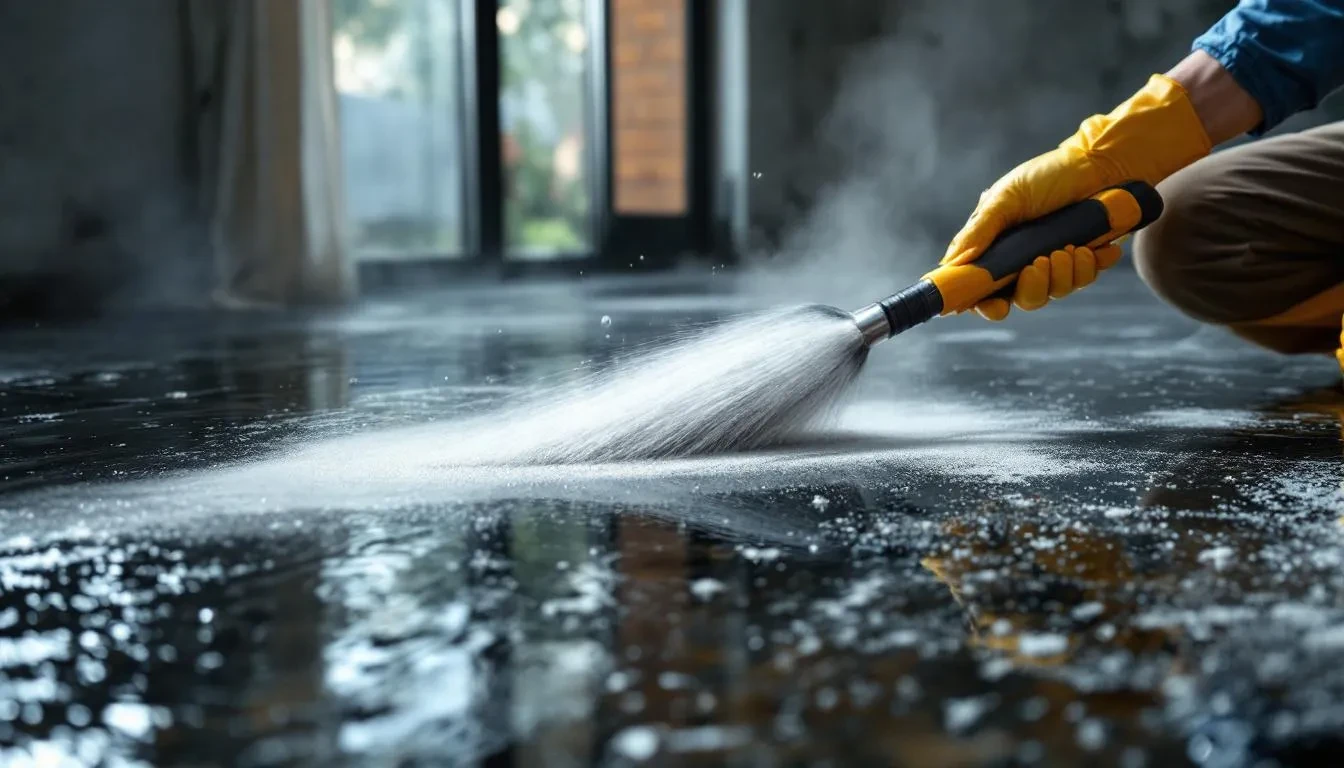
Soot damage can result from a wide range of fire events, many of which are more common in Tampa Bay homes than homeowners realize.
- Kitchen fires — Cooking is the leading cause of residential fires in the U.S. Grease fires and overheated cookware produce heavy, oily soot that spreads quickly through open-floor-plan homes.
- Electrical fires — Outdated wiring, overloaded circuits, and faulty appliances can ignite inside walls, creating smoldering fires that coat interiors with wet, toxic soot before the flames are even visible.
- Furnace puffbacks — Oil or gas furnaces can misfire and blow soot through the entire HVAC system, coating every room in the house within minutes.
- Candle and fireplace fires — Small fires from candles or fireplaces produce protein and dry soot that accumulates on ceilings and walls over time.
- Wildfire smoke infiltration — Florida’s dry-season brush fires can push smoke and fine soot particles into homes through HVAC systems and gaps in windows and doors, even without a direct fire on your property.
- Lightning strikes — Florida leads the nation in lightning strikes. A direct hit can ignite fires in attics or within wall cavities, spreading soot before the fire is detected.
Why Soot Damage Requires Immediate Professional Cleanup
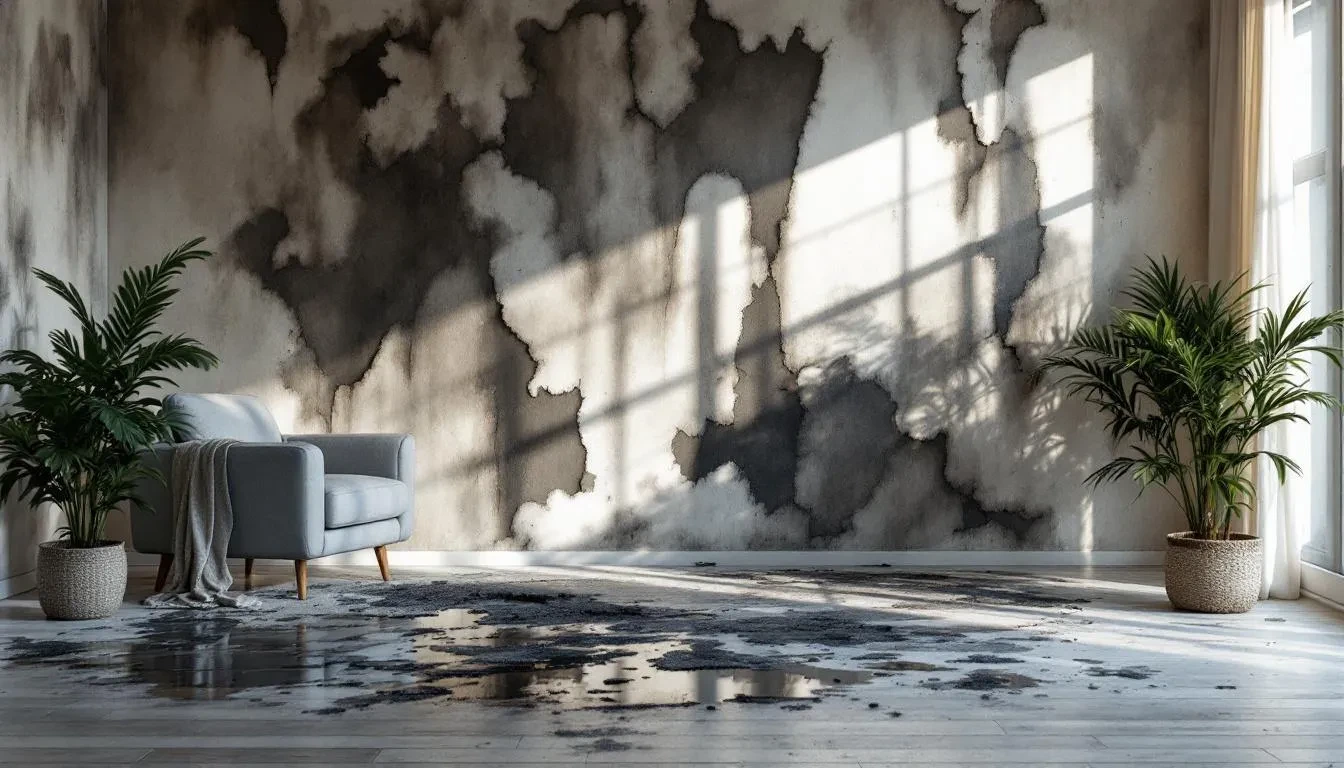
Every hour that soot sits in your home, it is actively causing damage. The acids and chemicals in soot begin to etch and corrode surfaces immediately after a fire. In Tampa’s high-humidity climate, this process accelerates dramatically.
The Timeline of Soot Corrosion
- Within 1 hour: Soot begins to discolor porous surfaces including drywall, grout, and fabric.
- Within 24 hours: Acids in soot etch glass and metal fixtures. Countertops and appliances may become permanently stained. Smoke odor penetrates deeply into walls and furniture.
- Within 48–72 hours: Wood surfaces begin to warp and discolor. Metal corrodes. In Tampa’s humid conditions, mold begins to colonize water-soaked areas where soot residue has settled.
- Within one week: Soot is deeply embedded in porous materials. Restoration becomes significantly more difficult, time-consuming, and expensive. Many surfaces may require full replacement rather than cleaning.
Why DIY Soot Cleaning Makes Damage Worse
It may be tempting to grab a sponge and start cleaning, but improper soot cleanup is one of the most common ways homeowners unknowingly make fire damage worse. Wiping wet soot spreads it across unaffected areas. Using the wrong cleaning solution can set stains permanently. Running HVAC systems before ductwork has been cleaned recirculates soot particles throughout the entire home. And without proper personal protective equipment, cleanup workers expose themselves to toxic and carcinogenic materials.
Professional soot cleanup is not just recommended — it is essential for the health of your family and the integrity of your property.
How 911 Restoration of Tampa Removes Soot Damage
Our fire damage restoration process is methodical, thorough, and guided by IICRC standards — the gold standard in the restoration industry. Here is exactly what to expect when our team arrives at your Tampa home.
Step 1: Emergency Response and Safety Assessment (Hours 0–2)
We arrive within hours of your call — day or night. Our first priority is your safety. Technicians assess structural stability, identify electrical hazards, and establish a safe perimeter. We document all damage thoroughly with photographs and written records, which becomes critical for your insurance claim.
Step 2: Damage Assessment and Soot Type Identification (Hours 2–4)
Our IICRC-certified experts evaluate the full scope of soot and smoke damage throughout your property — including areas you might not think to check, such as attics, crawl spaces, and HVAC ductwork. We identify the type of soot present in each area to select the correct cleaning protocol.
Step 3: Content Protection and Pack-Out (Day 1–2)
Salvageable belongings — furniture, clothing, electronics, documents — are carefully inventoried and either cleaned on-site or transported to our secure facility for specialized cleaning and restoration. This protects your personal property and reduces overall loss.
Step 4: Dry Soot Removal and Surface Cleaning (Day 1–3)
Using HEPA-filtered vacuums, dry chemical sponges, and specialized cleaning agents matched to the soot type, our team removes soot residue from all affected surfaces — walls, ceilings, floors, cabinetry, fixtures, and structural elements. Each surface type receives a tailored approach to prevent smearing, spreading, or further damage.
Step 5: Water Damage Mitigation (Day 1–3, concurrent)
Fire suppression — whether by sprinklers or the fire department — introduces significant water into your home. Our team deploys industrial air movers, dehumidifiers, and moisture meters to extract water, dry structural materials, and prevent the mold growth that Tampa’s climate makes especially likely.
Step 6: Odor Neutralization (Day 2–5)
We use thermal fogging, ozone treatment, and hydroxyl generators to neutralize smoke and soot odor molecules at the source — not just mask them. HVAC systems and ductwork are also cleaned and treated to prevent recirculation of odors.
Step 7: Structural Cleaning and Restoration (Day 3–14+)
Affected drywall, insulation, flooring, and other structural components are cleaned, repaired, or replaced as needed. Our team handles the full restoration — from initial cleanup to final painting and finishing — so you work with one trusted company from start to finish.
Step 8: Final Inspection and Clearance (Final Day)
Before we close out your project, we conduct a thorough final walkthrough to confirm that all soot, smoke odor, and secondary damage has been fully remediated and that your home is safe for occupancy.
Smoke and Soot Odor Removal: Restoring Fresh Air to Your Home
The lingering smell of smoke and soot after a fire is more than just unpleasant — it is a sign that toxic particles remain embedded in your home’s surfaces and air. Standard cleaning and air fresheners do nothing to address this problem at its source.
Our odor removal process uses multiple technologies working together:
- Thermal fogging — A heated chemical fog penetrates the same porous surfaces that smoke particles entered, neutralizing odor molecules at the point of contact.
- Ozone treatment — Ozone (O3) reacts with and breaks down smoke and soot odor compounds at the molecular level. This is one of the most effective methods available for severe odor contamination.
- Hydroxyl generators — A safe alternative to ozone treatment that can be used while occupants are present for applicable stages of treatment.
- Encapsulant sealers — Applied to walls and ceilings after cleaning to lock in any residual odor molecules beneath a fresh surface layer before repainting.
- HVAC duct cleaning — Smoke and soot infiltrate ductwork and will re-contaminate the air in your home every time the system runs. Full duct cleaning is a critical part of any comprehensive fire damage cleanup.
Soot Damage and Secondary Risks: Mold, Water Damage, and More
Soot damage rarely comes alone. In Tampa Bay homes, two secondary risks make professional fire damage restoration even more critical: water damage and mold growth.
Water Damage After a Fire
Fire suppression — whether from your home’s sprinkler system or the fire department’s hoses — can introduce hundreds or even thousands of gallons of water into your home. This water soaks into walls, flooring, insulation, and structural wood. Left unaddressed, it causes warping, rot, and structural instability. As a water damage restoration company as well as a fire damage specialist, 911 Restoration Tampa addresses both issues simultaneously, saving you time and preventing compounding losses.
Mold Growth in Tampa’s Climate
Tampa’s subtropical climate — with average humidity levels above 75 percent year-round — makes post-fire mold growth an urgent and near-certain risk. When water damage from fire suppression meets the warmth and humidity of a Tampa home, mold can begin to colonize within 24 to 72 hours. Mold spores thrive behind soot-coated drywall, beneath wet flooring, and inside wall cavities where moisture is trapped. Our team dries the structure aggressively to eliminate conditions that support mold growth, and we provide mold remediation services if colonization has already begun.
Structural Damage and Air Quality Concerns
Soot is acidic and corrosive. Over time, it weakens drywall, etches tile and glass, corrodes metal framing and fixtures, and degrades HVAC components. It also deposits harmful particles in your home’s air supply, affecting indoor air quality for months after a fire if not properly removed.
What to Do Before Our Team Arrives: Safe Steps for Homeowners
We know that waiting for professional help when your home is damaged feels impossible. Here are safe steps you can take immediately after a fire that will protect your health and preserve your property without making the damage worse.
- Do not re-enter the home until authorities confirm it is structurally safe.
- Do not run HVAC systems or fans. This spreads soot and smoke particles into unaffected rooms.
- Do not attempt to wipe or wash soot-covered surfaces. Improper cleaning spreads soot and may permanently set stains.
- Open windows if safe to do so to allow some air circulation and reduce soot particle concentration indoors.
- Document the damage with photographs and video before anything is moved or cleaned. Capture every affected room and surface for your insurance claim.
- Limit movement through affected areas to avoid tracking soot into unaffected rooms.
- Call 911 Restoration Tampa immediately. The faster our team begins mitigation, the less total damage your home will sustain.
Why Tampa Homeowners Choose 911 Restoration for Soot Cleanup
Tampa Bay homeowners have trusted 911 Restoration for fire damage restoration, water damage restoration, and mold remediation for years. Here is what sets us apart from other restoration companies in the area.
24/7 Emergency Response
Disasters do not follow business hours. Our team answers your call any time — day or night, weekends and holidays — and arrives quickly to begin damage mitigation when every hour counts.
IICRC-Certified Technicians
The Institute of Inspection, Cleaning and Restoration Certification (IICRC) sets the professional standards for the restoration industry. All of our technicians hold IICRC certifications, meaning they are trained in the latest, most effective, and safest methods for fire damage, smoke damage, soot damage cleanup, and water damage restoration. Our credentials are real, verifiable, and backed by ongoing training — not a vague claim on a website.
Direct Insurance Billing
Dealing with insurance adjusters while your home is uninhabitable adds enormous stress to an already overwhelming situation. 911 Restoration Tampa works directly with your insurance company — documenting the damage, communicating with your adjuster, and handling billing on your behalf so you can focus on your family.
A Real Tampa Case Study
A Brandon family contacted us after a kitchen grease fire spread smoke and soot damage throughout their open-concept home. The fire department’s water suppression had soaked the kitchen and living room floors. Our team arrived within two hours, immediately began water extraction and structural drying, and identified a combination of wet soot and protein soot throughout the home. Within five days, all soot had been removed, the structure was dried to pre-loss moisture levels, odors were fully neutralized, and the family returned home — with their insurance company billed directly for the full scope of services. “We thought we were going to lose everything,” the homeowner said. “The 911 Restoration team walked us through every step, worked with our insurance company, and got us back home in less than a week. We cannot thank them enough.”
Licensed, Insured, and Bonded in Florida
911 Restoration Tampa is fully licensed, insured, and bonded in the State of Florida, giving homeowners complete peace of mind that they are working with a legitimate, accountable professional restoration company.
Comprehensive Service Area
We provide fire damage and soot damage cleanup services throughout the greater Tampa Bay region, including Tampa, St. Petersburg, Clearwater, Brandon, Riverview, Largo, Temple Terrace, Plant City, and all of Hillsborough County and Pinellas County.
Soot Damage Restoration Cost and Insurance in Tampa, FL
One of the first questions homeowners ask after a fire is: how much will this cost? The honest answer is that soot damage restoration costs vary significantly based on the size of the affected area, the severity and type of soot, the extent of secondary water damage, and whether structural repairs are needed. For a small single-room fire, cleanup may range from a few hundred to a couple of thousand dollars. For a whole-home fire event, costs can reach tens of thousands of dollars.
Does Florida Homeowners Insurance Cover Soot Damage?
In the vast majority of cases, yes. Standard homeowners insurance policies in Florida cover fire and smoke damage — including the cost of soot removal, odor treatment, and restoration. However, policy terms, deductibles, and exclusions vary. Here is how to protect your claim:
- Document everything immediately — photograph and video all damage before any cleanup begins.
- Do not throw anything away — even damaged items must be inventoried as part of the claims process.
- Contact your insurance company promptly — delays in reporting can complicate your claim.
- Let us manage the documentation — 911 Restoration Tampa’s team provides detailed written damage assessments, photographic records, and direct communication with your adjuster to support the maximum recoverable claim.
Florida public adjuster laws also allow homeowners to hire an independent adjuster if they feel their insurance company’s settlement offer is inadequate. We can help connect you with reputable professionals in the Tampa Bay area if needed.
Frequently Asked Questions About Soot Damage Removal
How long does soot damage cleanup take in a Tampa home?
The timeline depends on the size of the affected area and the severity of the damage. A small kitchen fire may take 2–4 days for complete soot removal and odor treatment. A whole-home fire event in a larger Tampa property can take one to three weeks. Our team provides a detailed restoration timeline at the initial inspection so you know exactly what to expect at every stage.
Is soot damage covered by homeowners insurance in Florida?
In most cases, yes. Standard homeowners insurance policies in Florida typically cover fire and smoke damage, including soot cleanup and restoration. However, coverage details vary by policy. 911 Restoration Tampa offers direct insurance billing and will help you document the damage, communicate with your adjuster, and navigate the claims process from start to finish.
Can I clean soot damage myself or do I need a professional?
DIY soot cleaning is strongly discouraged. Without the right equipment and techniques, scrubbing soot can grind particles deeper into porous surfaces, spread contamination to unaffected areas, and leave behind carcinogenic residues. Professionals use HEPA filtration, dry chemical sponges, and industrial cleaning agents matched to the specific soot type to remove damage safely and completely.
What health risks does soot exposure cause?
Soot contains fine particulate matter, carbon, heavy metals, and known carcinogens. Short-term exposure can trigger respiratory irritation, coughing, and eye irritation. Long-term or high-level exposure is linked to bronchitis, cardiovascular disease, and lung cancer. Children, the elderly, and those with asthma or heart conditions are especially vulnerable. The EPA classifies fine soot particles (PM2.5) as a serious health hazard requiring prompt professional remediation.
How soon should soot be cleaned up after a fire?
Soot cleanup should begin within 24–48 hours of a fire. In Tampa’s humid climate, this urgency is even greater because moisture accelerates the corrosive chemical reactions in soot residue, causing permanent staining and etching on walls, metals, and fabrics within days. Mold can also begin to form within 24–72 hours when water used to extinguish the fire combines with soot-coated surfaces.
Does soot damage cause mold growth?
Yes. Fires are typically extinguished with water, which soaks into walls, flooring, and insulation. Combined with Tampa’s naturally high humidity, this creates the perfect conditions for mold growth within 24–72 hours. Mold spores thrive in dark, damp spaces behind soot-covered drywall and under wet flooring. 911 Restoration Tampa addresses both soot damage and water damage simultaneously to eliminate mold risk before it becomes a secondary crisis.
What types of surfaces can be affected by soot damage?
Soot can affect virtually every surface in your home including drywall, ceilings, insulation, wood framing, HVAC ductwork, furniture, clothing, carpet, tile grout, glass, metal fixtures, and personal belongings. Porous materials absorb soot particles and odor molecules deeply, which is why professional-grade extraction methods are required for thorough and permanent removal.
How do professionals remove smoke and soot odors permanently?
Professional odor removal goes beyond surface cleaning. Technicians use thermal fogging, ozone treatment, hydroxyl generators, and encapsulant sealers to neutralize smoke and soot odor molecules at the molecular level. HVAC systems and ductwork are also cleaned to prevent recirculated odors. This multi-step approach ensures that smoke and soot odors do not return once your home has been fully restored.
Contact 911 Restoration Tampa for Emergency Soot Damage Removal
If your Tampa Bay home has been affected by fire, smoke,
Latest Posts
Contact Us
For Advice
Need help? Talk to an expert
(813) 261-1525