

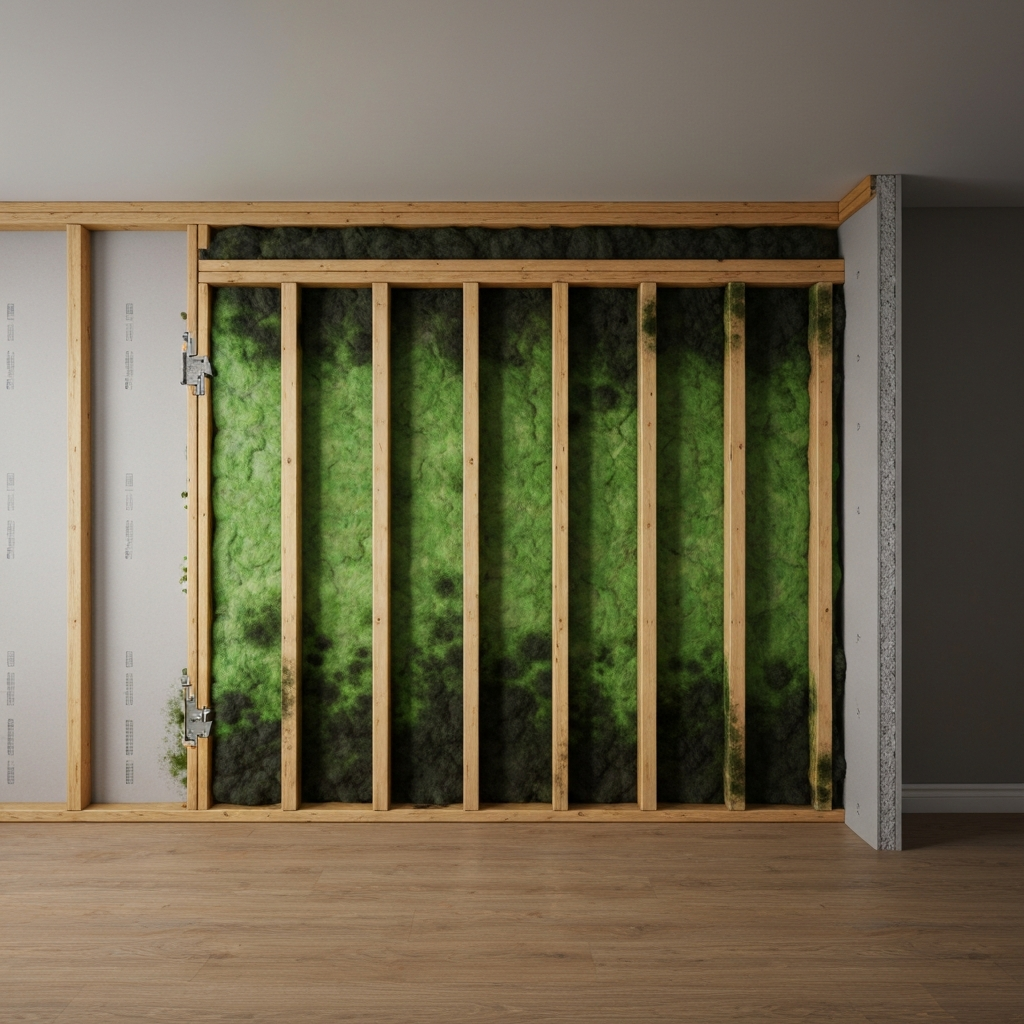
28
Aug
9 Signs You Have Hidden Mold Behind Walls: Essential Guide
Key Highlights
- Look for visual signs of mold, such as wall discoloration, water stains, or peeling paint.
- A persistent musty or earthy smell often indicates hidden mold growth behind your walls.
- Unexplained health symptoms that improve when you leave the house can be a sign of mold.
- Moisture issues from leaks, high humidity, or condensation are the main cause of mold.
- Early detection is key, but if you find a large area of mold, a professional mold inspection is necessary.
- Proper mold removal by certified professionals ensures your home is safe and healthy.
Introduction
What you can’t see can sometimes hurt you. Hidden mold growth behind your walls is a perfect example. It often goes unnoticed, silently spreading and posing potential health risks to your family. This sneaky intruder thrives in dark, damp spaces, compromising your home’s air quality before you even spot a single patch. Understanding the subtle clues is the first step to protecting your home and your health. This guide will walk you through the top nine signs of hidden mold.
Understanding Hidden Mold Behind Walls in Tampa-St Petersburg (Sarasota), FL
The space behind your drywall can be a perfect breeding ground for hidden mold, especially in Florida. With our high humidity levels, any moisture problems can quickly lead to mold growth that you cannot see. The most common signs are often not visual; they include a musty smell you can’t locate, allergy symptoms that act up at home, and visible water stains on your walls.
Because it develops out of sight, this mold can spread without you knowing. Catching it early requires knowing what to look for. If you notice any of these signs, a professional inspection can help confirm if you have a problem and what to do next.
Why Mold Grows Unnoticed in Florida Homes
Mold needs three things to thrive: moisture, a food source, and darkness. The wall cavities in your Florida home provide two of these perfectly. The drywall paper and wood framing offer plenty of organic materials for mold to feed on, and the space behind the wall is dark and undisturbed.
The final ingredient, moisture, is abundant due to Florida’s high humidity. When warm, moist air inside your home meets a cooler wall surface, condensation can form. This moisture gets trapped inside the wall cavities, creating the ideal damp environment for mold growth to begin.
Because this process happens out of sight, a significant mold problem can develop before you notice any issues on the surface. This hidden growth is why managing indoor humidity is so critical for preventing mold.
Common Indoor Locations Where Mold Hides
Hidden mold loves to grow in places where moisture is common. If you suspect a mold problem, checking these damp areas first is a good strategy. These spots often have plumbing, poor ventilation, or are prone to leaks, making them perfect for mold.
Anywhere with water pipes or fixtures is a high-risk zone. Think about the walls behind your sinks, showers, and toilets. These are common locations for small, unseen leaks that fuel mold growth inside wall cavities.
Other common hiding spots for hidden mold include:
- Basements and crawl spaces
- Around windows where condensation collects
- Behind kitchen appliances like refrigerators or dishwashers
- In laundry rooms near the washing machine
- Attics, especially under a leaky roof
The Unique Challenge of Moisture and Humidity in Tampa-St Petersburg
Living in the Tampa-St Petersburg area means dealing with relentless humidity. These high humidity levels create a constant battle against moisture buildup inside our homes. When humid air is not properly managed, it leads to condensation on surfaces like windows, pipes, and even walls.
This condensation is a major source of moisture that can seep into wall cavities. Once inside, the moisture gets absorbed by drywall and wood, creating a perfect environment for mold to grow. This is especially true after any water damage event, like a storm or a minor pipe leak, which introduces even more moisture.
Because the air is almost always moist, mold spores have a continuous opportunity to settle and colonize. This makes homes in our region particularly vulnerable to hidden mold problems that stem directly from the high humidity levels we experience year-round.
The Most Telling Visual Signs of Hidden Mold
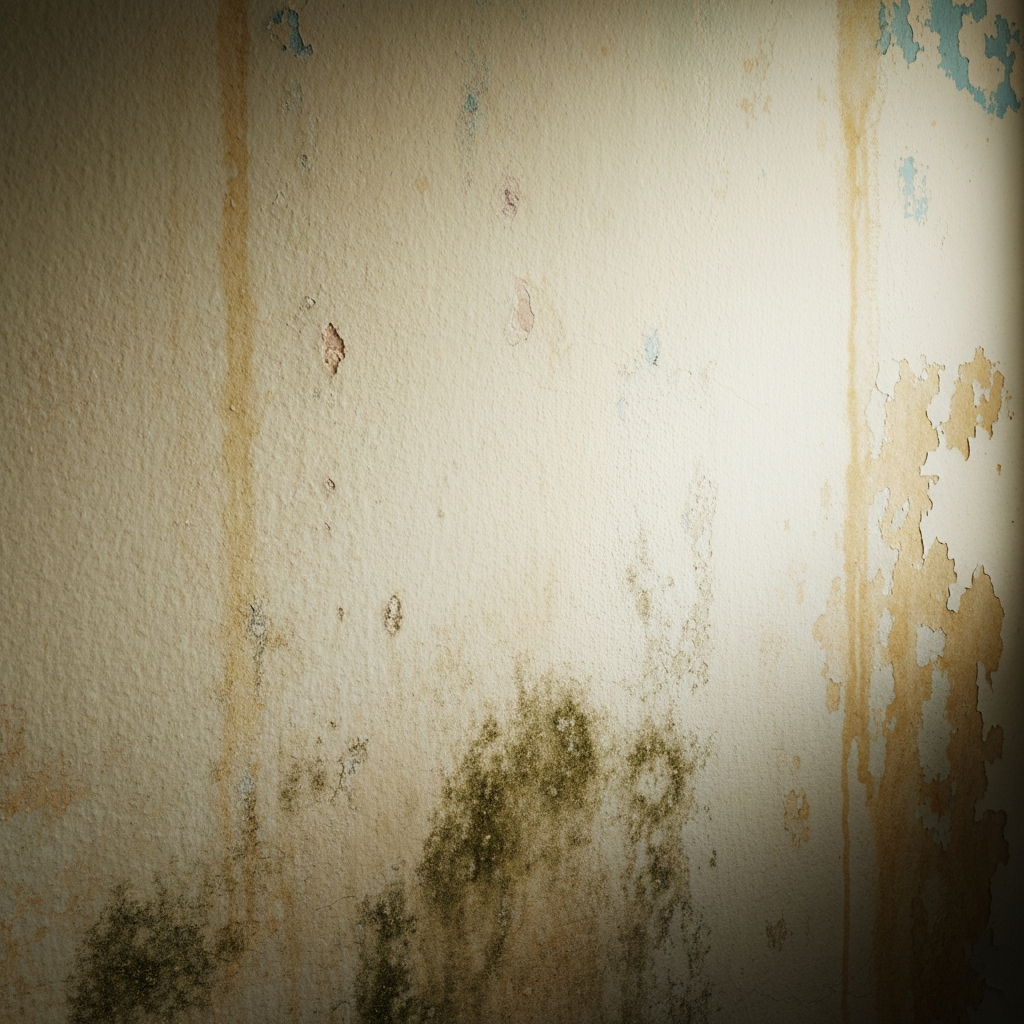
Even though the mold growth is hidden, it can still create visible clues on the surface of your walls. These visual cues are your wall’s way of telling you that something is wrong underneath. Signs like water stains, discoloration, or peeling paint are red flags for a moisture problem.
Where there is moisture, there is often mold. Paying close attention to these subtle changes in your walls can help you catch a hidden mold issue early. We will explore some of the most common visual signs in more detail.
Wall Discoloration, Stains, and Yellowing
One of the most common signs of mold is unexplained discoloration on your walls or ceilings. These water stains often appear as yellowish-brown patches and are a clear indicator of moisture problems. Even if you don’t see mold itself, these stains show that conditions are right for it to grow.
The discoloration happens when water seeps through the drywall from the wall cavities behind it. As the water evaporates, it leaves behind mineral deposits and can cause the paint to yellow. These spots often reappear even after you clean them, which signals an ongoing moisture issue.
Pay close attention to these types of stains:
- Irregular patches that get bigger over time
- Staining near plumbing fixtures in bathrooms or kitchens
- Spots that appear on exterior walls
- Dark or shadowy marks in corners
Peeling, Bubbling, or Warped Paint and Wallpaper
Have you noticed your paint or wallpaper starting to bubble, peel, or warp? This is a strong sign that moisture is trapped behind the surface. When water gets into the wall, it separates the paint or wallpaper from the drywall, causing these imperfections.
This trapped moisture creates an ideal breeding ground for mold growth. The mold colonies can flourish unseen, while the only clue is the damage to your wall covering. You might also notice the wall feels damp or cool to the touch in these areas.
Simply painting over the problem will not fix it. The new paint will likely peel again, and it only traps more moisture, making the mold growth worse. It is important to address the underlying moisture issue to solve the problem for good.
Unusual Odors That Point to Mold Behind Walls

Sometimes, your nose knows before your eyes do. A strange, persistent, musty odor is one of the most reliable signs of a mold presence, even if you can’t see it anywhere. This moldy smell is caused by chemicals released by mold as it grows and digests organic materials.
If you notice a smell that won’t go away no matter how much you clean, it could be coming from behind your walls. Let’s explore what this odor smells like and when it points to a serious problem with your air quality.
Recognizing a Musty or Earthy Smell
The classic smell of mold is often described as musty or earthy. Think of the smell of a damp basement, wet cardboard, or rotting leaves. This distinct musty odor is a byproduct of mold’s life cycle and is a strong indicator of its presence.
This smell is caused by microbial volatile organic compounds (mVOCs), which are gases produced by mold. When you smell them, you are breathing in chemicals released by active mold colonies. The smell can often be stronger in enclosed spaces or areas with poor airflow.
The odor might be more noticeable when:
- You first enter a room
- The weather is humid
- The HVAC system turns on
- You are close to the affected wall
When Constant Odors Suggest a Bigger Problem
A faint smell that comes and goes might not be a major concern, but a constant odor suggests a bigger mold problem. If you have a persistent musty smell that air fresheners can’t cover and cleaning doesn’t eliminate, you likely have established mold colonies somewhere in your home.
This constant smell is a sign that the hidden mold is actively growing and releasing compounds into your indoor air. The stronger the smell, the larger the infestation might be. A smell that is concentrated in one area can help you pinpoint the location of the hidden mold.
Don’t ignore a persistent odor. It’s an important warning that your indoor air quality is being affected by a hidden source. Addressing the smell means finding and removing the mold colonies that are causing it.
Unexplained Health Symptoms from Hidden Mold

Could your home be making you sick? Sometimes, the first signs of hidden mold aren’t on your walls but in how you feel. Unexplained health symptoms, such as constant allergies or headaches, can be caused by mold exposure from spores affecting your indoor air quality.
If you notice health issues that seem to get worse when you’re at home and better when you’re away, mold could be the culprit. Let’s look at some specific health symptoms that can be linked to hidden mold.
Allergy Flare-Ups and Respiratory Issues
If you find yourself constantly sneezing, coughing, or dealing with a runny nose at home, you might be having allergic reactions to mold spores in the air. For people with sensitivities, mold exposure can trigger persistent allergy-like symptoms or worsen existing respiratory issues like asthma.
These symptoms occur because your body’s immune system reacts to the inhaled mold spores. The reaction can feel just like seasonal allergies, but it happens year-round and primarily when you are indoors.
Common respiratory symptoms linked to mold exposure include:
- Chronic coughing or wheezing
- Sneezing and nasal congestion
- Itchy, watery eyes
- Sore throat
- Increased asthma attacks
Headaches, Fatigue, and Unusual Skin Irritations
Beyond respiratory issues, mold exposure can cause other confusing health problems. Do you often feel tired for no reason or suffer from frequent headaches while at home? These can also be symptoms of your body reacting to poor air quality caused by hidden mold.
Some people are more sensitive to the compounds released by mold, leading to neurological symptoms like headaches, difficulty concentrating, and general fatigue. The constant strain on your immune system from fighting off mold spores can leave you feeling drained.
In some cases, direct contact with mold spores or skin absorption of mycotoxins can lead to unusual skin irritations. If you notice unexplained rashes or itchiness, it’s another potential sign that your body is reacting to mold exposure in your environment.
Key Moisture Issues That Promote Mold Growth
Mold cannot grow without water. To find and prevent mold growth, you need to look for the moisture issues that allow it to start. Problems like water leaks, high humidity levels, and condensation are the root causes of nearly every mold problem.
By identifying and fixing these water intrusion sources, you can cut off mold at its source. Knowing what to look for is the first step in protecting your home. We’ll examine the key moisture problems that create the perfect conditions for mold.
Identifying Leaks, Plumbing Problems, and Water Intrusion
Water leaks are a primary cause of hidden mold. A slow drip from plumbing fixtures or a small crack in your roof can introduce enough moisture into your walls to cause significant water damage and mold growth over time. Regular inspections for leaks are essential.
Check under sinks, around toilets, and near appliances that use water. Look for drips, water stains, or dampness. Even a tiny, slow leak can create chronically high moisture levels in a wall cavity, which is all mold needs to thrive.
Here are some common sources of water leaks and what to look for:
Leak Source | What to Look For |
|---|---|
Plumbing Fixtures | Drips, puddles, or water stains under sinks, behind toilets, and around showerheads. |
Roof Leaks | Water stains on the ceiling, especially after rain; damp spots in the attic. |
Appliance Hoses | Cracks or drips in hoses for washing machines, dishwashers, or ice makers. |
Window Seals | Condensation between panes, drafts, or visible water seeping in around the frame during storms. |
How High Humidity and Condensation Create Mold Hotspots
In Florida, high humidity is a fact of life, but it can be a big problem for your home. When the warm, moist air inside your house touches a cooler surface, like an exterior wall or a window, the moisture in the air turns into water droplets. This is called condensation.
This condensation provides a steady supply of water for mold. It can happen on the surface of your walls or, more dangerously, inside them. As moisture builds up, it creates damp areas or “mold hotspots” where mold can grow rapidly.
Areas with poor air circulation, like closets, corners, and behind large furniture, are especially prone to condensation and moisture buildup. Managing indoor humidity levels with a dehumidifier or your HVAC system is one of the best ways to prevent these mold hotspots from forming.
How to Check for Hidden Mold Without Damaging Your Walls
You suspect you have hidden mold growth, but you don’t want to start tearing down your walls to find it. The good news is there are several ways to check for mold without causing any damage. These non-invasive methods focus on early detection using your senses and simple tools.
By combining a few techniques, you can gather evidence of a mold problem before calling for professional mold testing. Let’s cover some safe ways to investigate what’s happening behind your drywall.
Safe Home Techniques: Visual Checks, Scent, and Moisture Meters
Your best tools for mold detection are your own eyes and nose. Start by performing a thorough visual inspection of your walls for any of the visual cues we’ve discussed, like stains or peeling paint. At the same time, pay attention to any musty smell, noting where it seems strongest.
For a more technical approach, you can use a moisture meter. These handheld devices can measure the moisture levels inside your drywall without leaving a mark. Simply press the meter against the wall in different spots. High readings in an otherwise dry area are a big red flag for a hidden moisture problem.
Here are some safe steps for mold detection:
- Use a flashlight to look for subtle discoloration in dark corners.
- Follow your nose to find where the musty odor is most concentrated.
- Feel the wall for cool, damp, or soft spots.
- Use a pinless moisture meter to check moisture levels near windows and plumbing.
When and Why to Contact a Professional Mold Inspector in Florida
While you can do some initial checks yourself, a professional inspection is often necessary to confirm hidden mold. If you have multiple signs of mold, can’t find the source of a musty smell, or have experienced significant water damage, it’s time to call certified professionals.
A professional mold inspector from a company like 911 Restoration Tampa uses advanced tools like thermal imaging cameras to see temperature differences in walls that indicate moisture. They can also perform air quality testing to measure the concentration of mold spores in your home.
This level of detailed mold inspection gives you definitive answers and peace of mind. A professional can accurately locate the mold, identify the species, and create a plan for safe and effective removal, which is something a DIY check cannot provide.
What To Do If You Suspect Hidden Mold in Your Tampa-St Petersburg Home
Suspecting you have hidden mold can be stressful, but taking immediate action is the best way to handle the situation. The first step is not to panic but to take a few simple precautions to prevent the problem from getting worse while you figure out your next move.
Your goal is to prepare for a professional assessment and limit any further mold growth. Here are the immediate steps you should take before calling for mold removal services.
Immediate Steps to Take Before Inspection
If you think you have a mold problem, the first thing to do is try to control the moisture source, if you can identify it. For example, if you suspect a leaky pipe, turn off the water to that area if possible. Do not try to open the wall or disturb the area, as this can release mold spores into the air.
Early detection is great, but the next immediate steps should focus on assessment, not removal. Your priority is to get a clear picture of the problem. This is where professional mold testing becomes crucial.
Before the inspector arrives, you can:
- Try to identify and stop any active water leaks.
- Reduce indoor humidity by running a dehumidifier.
- Avoid running fans in the suspicious area to prevent spreading spores.
- Document any visual signs or odors you have noticed.
- Schedule an appointment with a certified mold inspector.
Advantages of Local Professional Mold Remediation Services
When it comes to hidden mold, hiring local professional remediation services is always the safest and most effective choice. Certified professionals have the training and equipment to handle the job correctly, ensuring the complete removal of all mold.
A team of local experts, like those at 911 Restoration Tampa, understands the unique challenges of Florida’s climate. They know how to contain the work area to prevent cross-contamination, use specialized HEPA filtration to clean the air, and properly remove and dispose of contaminated materials.
Attempting to remove hidden mold yourself can be dangerous. You might expose yourself to harmful spores or fail to remove the entire colony, leading to regrowth. Professional remediation gives you the assurance that the job is done right and your home is healthy again.
Areas in Your Home Most Vulnerable to Hidden Mold
Certain areas of your home are naturally more vulnerable to mold issues. These are the damp areas where water pipes are common and moisture levels tend to be higher. Knowing these hotspots can help you focus your inspections and preventative efforts.
By paying extra attention to these high-risk zones, you can catch potential mold problems before they spread throughout your home. Let’s pinpoint the rooms and spaces that are most likely to harbor hidden mold.
Bathrooms, Kitchens, and Laundry Spaces
It’s no surprise that bathrooms, kitchens, and laundry rooms are prime locations for hidden mold. These rooms are filled with plumbing fixtures and are constantly exposed to water and steam. Poor ventilation in these spaces exacerbates the problem, trapping humid air and encouraging mold colonies to form.
In bathrooms, check the walls around the shower, tub, and toilet. In kitchens, the areas behind the sink, dishwasher, and refrigerator are common culprits. Laundry rooms often have issues behind the washing machine where hose connections can leak.
Key spots to check within these rooms include:
- Underneath sinks and around pipe entry points
- Behind and around toilets
- Walls adjacent to showers and tubs
- Behind water-using appliances
- Ceilings, if there is a bathroom above
Basements, Crawl Spaces, and Exterior Walls Facing Moisture
Basements and crawl spaces are notoriously damp and are classic breeding grounds for mold. Due to their below-ground location, they are prone to moisture issues from groundwater seepage and high humidity. Poor air circulation in these spaces only makes things worse.
Exterior walls, especially those that face prevailing winds or do not get much sunlight, can also be problem areas. Rainwater can penetrate through tiny cracks, and condensation can form inside these walls due to temperature differences between the inside and outside, leading to water damage.
Regularly inspecting these areas for musty smells, dampness, or visible water stains is crucial. Making sure your foundation is properly sealed and your gutters are directing water away from the house can help prevent moisture from getting into these vulnerable spaces.
Preventing Future Mold Issues Behind Walls
After the complete removal of any existing mold, your focus should shift to prevention. Stopping future mold issues is all about controlling moisture problems and ensuring proper ventilation throughout your home. A proactive approach is the best way to protect your family from future mold exposure.
By taking a few key steps to manage moisture and maintain your home, you can create an environment where mold simply can’t grow. Here are some effective strategies for long-term prevention.
Improving Ventilation and Managing Indoor Humidity
Good airflow is one of your best defenses against mold. Proper ventilation helps remove moist air from your home before it can cause problems. Make sure you use exhaust fans in your bathrooms and kitchen every time you cook or shower.
Controlling indoor humidity levels is just as important. In Florida, your HVAC system plays a big role in dehumidifying the air. You can also use standalone dehumidifiers in particularly damp areas like basements. Aim to keep your home’s humidity between 30% and 50%.
To improve ventilation and control humidity, you should:
- Run bathroom exhaust fans for 15-20 minutes after a shower.
- Use the range hood fan when cooking.
- Ensure your clothes dryer vents to the outside.
- Get your HVAC system serviced regularly.
- Consider using a hygrometer to monitor humidity levels.
Regular Maintenance Tips for Tampa-St Petersburg Homeowners
For homeowners in the Tampa-St Petersburg area, regular maintenance is key to preventing mold. Our climate requires constant vigilance against moisture. Start by regularly inspecting your home for any signs of leaks, from the roof down to the foundation.
Check your roof for missing shingles, inspect plumbing for any drips, and make sure your windows and doors are properly sealed. Clean your gutters regularly to ensure rainwater flows away from your home’s foundation. Addressing small roof leaks or plumbing drips immediately can prevent major water damage.
By staying on top of these maintenance tasks, you can control moisture and humidity levels, protect your indoor air quality, and stop mold before it has a chance to grow. It’s a small investment of time that offers huge protection for your home and family.
Conclusion
In conclusion, understanding the signs of hidden mold behind your walls is crucial for maintaining a healthy home environment in Tampa-St Petersburg. From visual indicators like wall discoloration and peeling paint to unusual odors and unexplained health symptoms, being vigilant can help you catch mold issues early. Addressing moisture problems and knowing when to call in professionals for inspection and remediation will not only protect your property but also safeguard your family’s health. If you suspect hidden mold in your home, don’t hesitate to take action. For expert assistance, reach out today to get a free consultation and ensure your home remains safe and mold-free.
Frequently Asked Questions
Can mold behind walls in Tampa-St Petersburg go undetected for years?
Yes, hidden mold can absolutely go undetected for years. As long as there is a slow moisture buildup inside wall cavities, mold growth can continue to spread without any visible signs. Often, a musty smell is the only clue that your air quality is being affected by a long-term mold problem.
Is professional mold inspection really necessary for hidden mold?
While you can spot some signs yourself, a professional inspection is necessary to confirm the extent of hidden mold growth. Professionals use tools that can detect moisture behind walls, confirming the problem without destruction. This ensures a proper plan for mold removal and gives you peace of mind.
What steps can I take to protect my family from hidden mold exposure?
To protect your family from mold exposure, focus on prevention. Ensure proper ventilation by using exhaust fans, control indoor humidity levels to stay below 50%, and fix leaks immediately. Regular checks for the signs of mold allow for early detection, which is crucial for maintaining healthy air quality.
Latest Posts



Contact Us
For Advice
Need help? Talk to an expert
(813) 261-1525