

28
Aug
Why Mold Grows So Fast in Tampa Bay: Key Factors Explained
Key Highlights
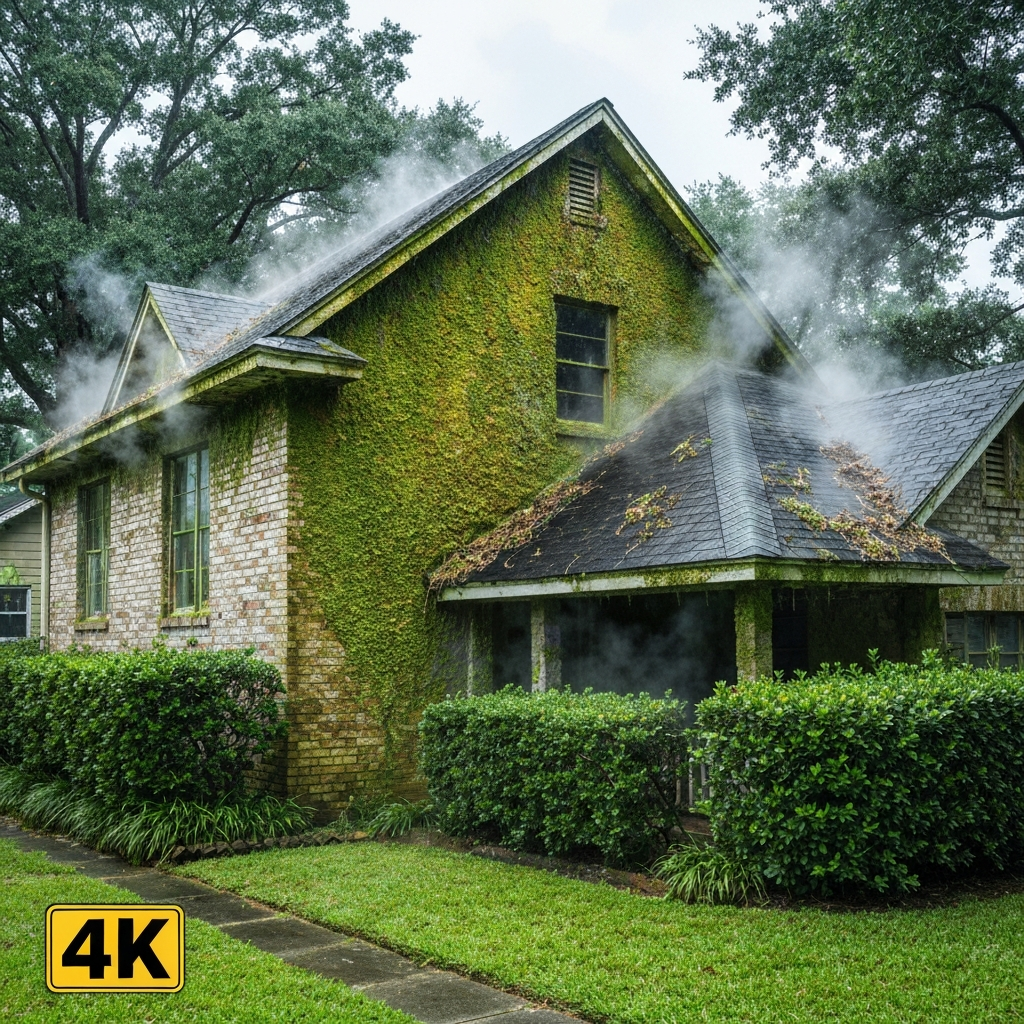
- Tampa Bay’s climate creates a perfect environment for rapid mold growth due to high humidity and warm temperatures.
- After water damage, mold can start growing in your home in as little as 24-48 hours.
- High indoor humidity is a major cause of mold, making dehumidifiers a key tool for prevention.
- Black mold is more common in Tampa Bay than in drier parts of the country because of our unique climate.
- Even well-maintained homes face mold challenges, highlighting the need for vigilance and professional help.
Introduction
Living in Tampa Bay is wonderful, but our warm, humid climate comes with a hidden challenge: rapid mold growth. If you’ve ever smelled a musty odor or seen dark spots on your walls, you’re not alone. Mold is a common issue for local homeowners, and it can quickly affect your property and your indoor air quality. Understanding why mold thrives here is the first step toward protecting your home and family. Let’s explore the key factors behind this persistent problem.
Understanding Rapid Mold Growth in Tampa Bay
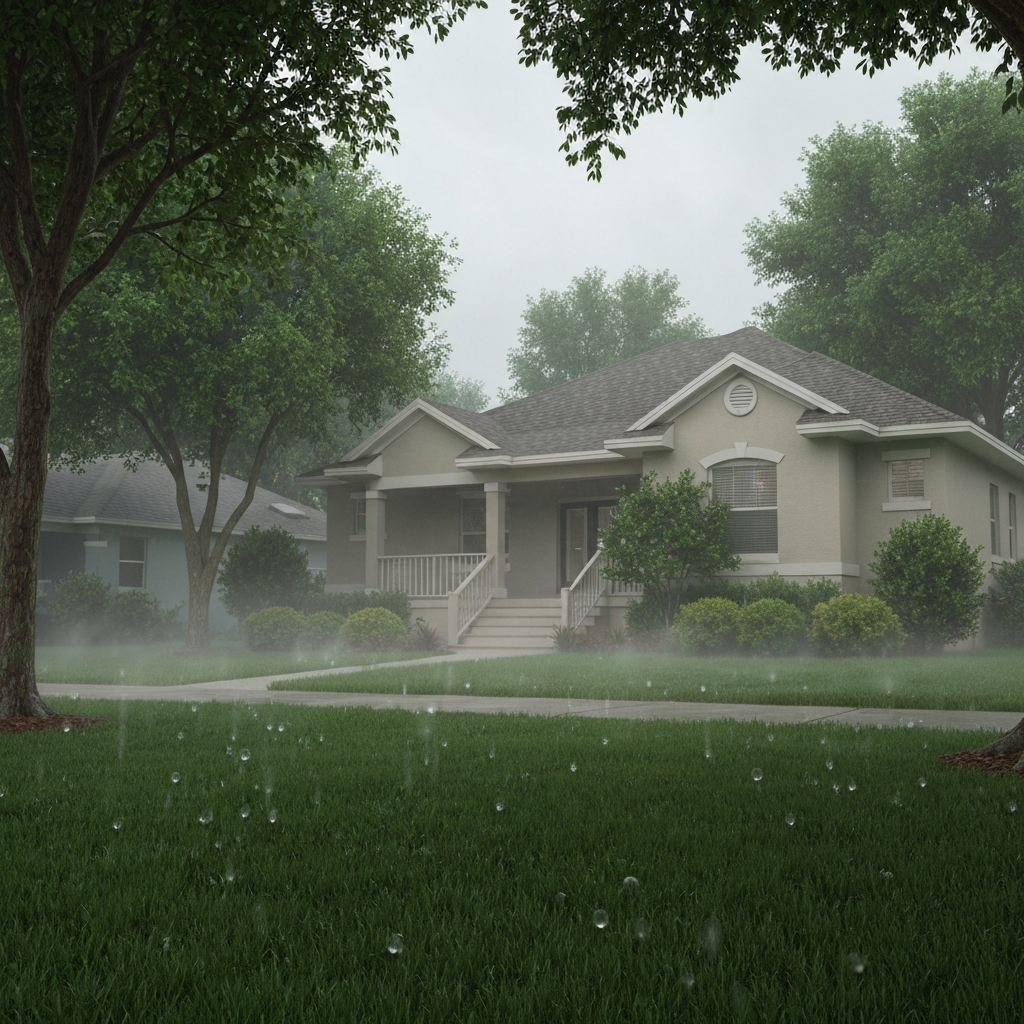
Have you ever wondered why mold seems to appear overnight in Tampa Bay? The reason is that our area provides the ideal conditions for mold spores to thrive. These microscopic spores are everywhere, but they need moisture, warmth, and food (like drywall or wood) to start growing. Our local climate gives them exactly what they need.
The combination of high indoor humidity levels and consistent warmth creates a perfect storm for mold growth. Unlike in drier or colder regions, mold in Tampa Bay can develop and spread at an accelerated rate. This makes it crucial for you to be proactive about prevention and address any moisture issues immediately.
Why Tampa Bay’s Climate Fuels Mold
The unique humid climate in Tampa Bay is the number one reason mold is such a persistent problem. Our region’s weather creates the perfect environment for mold spores to turn into a full-blown infestation. It’s not just one factor but a combination of elements that supports year-round mold issues.
Think about our long, rainy summers and mild winters. This weather pattern means your home is constantly exposed to moisture. The air itself is damp, and frequent rain increases the chances of water finding its way inside your home.
This constant exposure to moisture from the humid climate means that mold doesn’t need a major leak to start growing. The dampness in the air can be enough to create problems, turning your home into an ideal breeding ground if you’re not careful. This is why Tampa Bay homeowners must be extra vigilant.
The Role of Humidity and Warm Temperatures
High humidity levels are a defining feature of life in Tampa Bay, and they are also a primary driver of mold problems. The average relative humidity here often stays between 70% and 75% all year. This is much higher than the 30-50% range recommended to prevent mold growth, giving mold spores the moisture they need to germinate.
Adding to the issue are our consistently warm temperatures. Mold thrives in warmth, and since Tampa Bay rarely experiences freezing temperatures, mold can grow continuously throughout the year. Colder climates get a natural “reset” in winter that suppresses mold, but we don’t have that luxury.
This combination of dampness and warmth allows mold to grow much faster here than in cooler, drier areas. The moisture from the humid air can even soak into building materials like drywall and wood, creating hidden mold colonies inside your walls.
How Seasonal Changes Affect Mold Growth
While mold growth is a year-round concern here, seasonal changes can increase the risk. The summer rainy season, with its heavy and frequent downpours, is a peak time for mold. This is when the ground is saturated and the risk of water intrusion through roofs, windows, and foundations is at its highest.
Even our mild winters can contribute to mold. When you turn on the heat, it can create temperature differentials between the inside and outside of your home. This often leads to condensation forming on windows and walls.
This condensation provides a perfect little water source for mold spores to start growing. So, while you might think the cooler, drier winter air would bring relief, the risk of mold remains. It’s a constant battle against moisture, no matter the season.
Common Areas Mold Thrives in Tampa Bay Homes
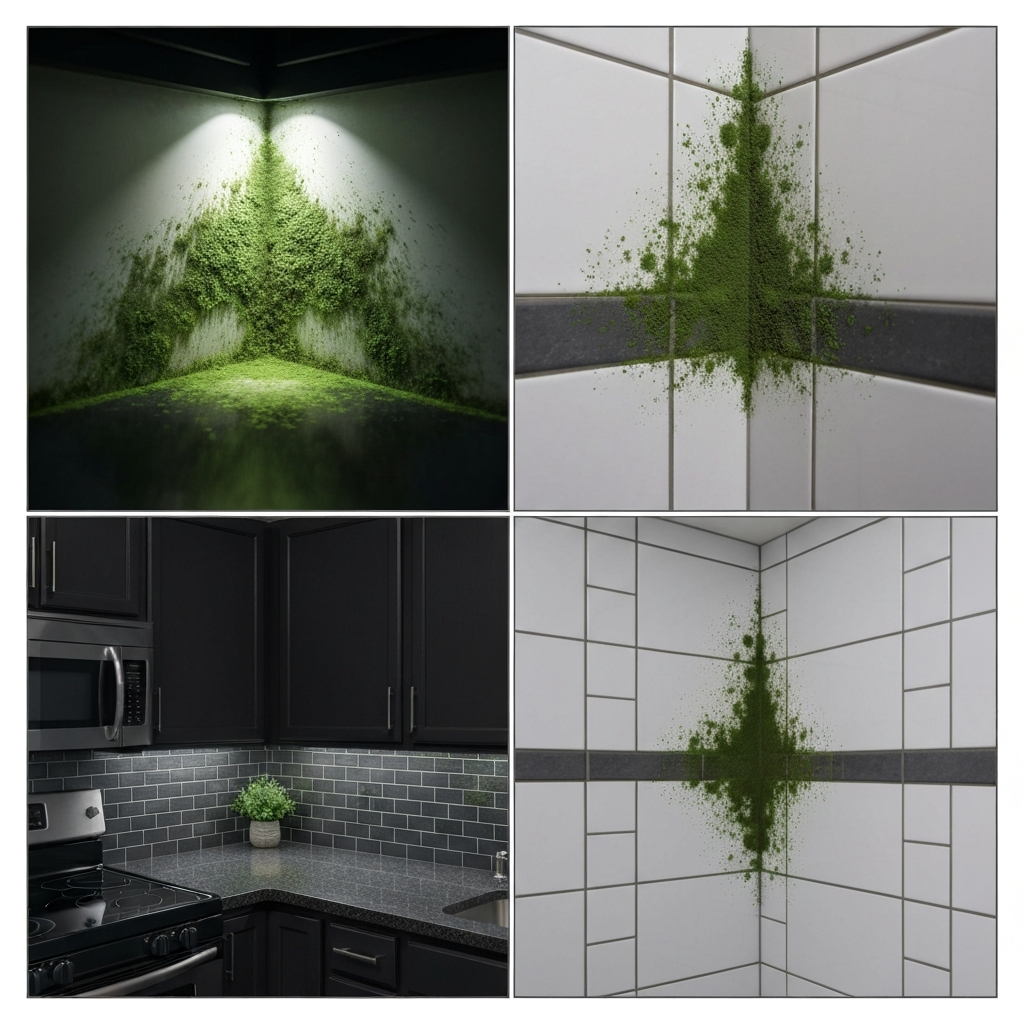
Mold can grow anywhere, but certain areas in your home are more susceptible to mold issues, especially for Tampa Bay homeowners. Knowing these hotspots can help you identify potential problems before they get out of control. These are typically places with high moisture, poor airflow, or both.
From bathrooms to attics, each area presents unique challenges. Learning the signs of mold and which mold species are common can empower you to protect your property. Let’s look at the specific rooms and spaces where mold is most likely to hide in your home.
Bathrooms, Kitchens, and Laundry Rooms
Your bathroom, kitchen, and laundry room are prime locations for mold because of constant water use and high humidity. Steam from hot showers and cooking creates a damp environment that mold loves. Leaky faucets or pipes can also lead to water intrusion, providing a steady source of moisture.
If you notice a persistent musty odor or see dark spots on the walls or ceiling, you likely have a mold problem. Visible mold is a clear sign that you need to act. These areas require good ventilation to keep moisture levels down and prevent mold from taking hold.
Here are some common signs to watch for in these rooms:
- Dark, spotted patches on grout or caulk
- A musty odor that doesn’t go away
- Peeling wallpaper or paint near water sources
- Warped wood around sinks or cabinets
- Visible mold growth under sinks or behind appliances
Attics, Basements, and Crawl Spaces
Often out of sight and out of mind, your attic, basement, and crawl spaces are major hotspots for hidden mold growth. These areas typically suffer from poor ventilation, allowing humid air to become trapped. This stagnant, moist air creates the perfect conditions for mold to flourish undetected.
Crawl spaces are especially vulnerable in Tampa due to our damp ground and high humidity. Moisture intrusion from the soil can easily lead to widespread mold on floor joists and insulation. Likewise, a leaky roof can introduce moisture into your attic, leading to serious mold problems.
Because you don’t visit these spaces often, a mold issue can become severe before you notice it. Regular inspections are key to catching problems early. Look for signs of water stains, feel for dampness, and pay attention to any musty smells coming from these areas.
Air Ducts and HVAC System Vulnerabilities
Your HVAC system is essential for cooling your home and reducing humidity, but it can also become a source of mold. Condensation can build up inside the system, creating a breeding ground for mold. Once mold grows in your air ducts, it can spread airborne spores throughout your entire home, affecting your air quality.
This is a serious concern because it can distribute mold to every room, potentially causing health issues for your family. A musty smell when the AC turns on is a major red flag that you may have mold in your system.
To prevent this, it’s important to:
- Schedule a professional inspection of your HVAC system twice a year.
- Change your air filters monthly during humid seasons.
- Regularly check the condensate drain pans for standing water.
- Ensure your system is properly sized and maintained for optimal humidity removal.
Mold Growth After Water Damage
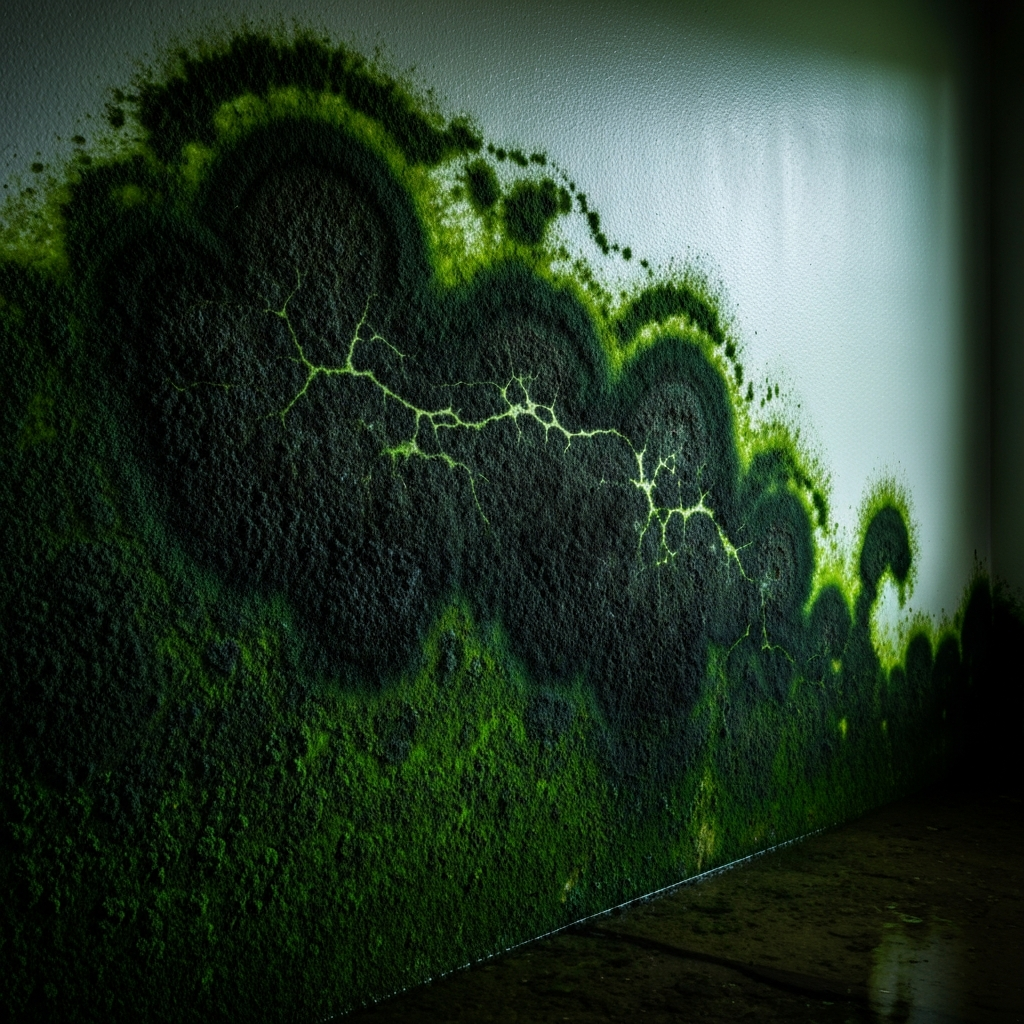
When your home experiences water damage from a burst pipe, a roof leak, or a flood, time is not on your side. In Tampa Bay’s climate, moisture intrusion creates an immediate risk of mold development. The wet materials in your home quickly become a food source for mold spores.
Understanding how quickly mold can grow after a water event is crucial. The clock starts ticking the moment the water appears. The faster you act to dry out your home, the better your chances are of preventing a major mold problem. Next, we will cover the timeline and risks associated with water damage.
Timeline: Mold Growth Within 24-48 Hours
It’s shocking but true: mold spores can begin to grow within just 24-48 hours after water intrusion in Tampa. The combination of moisture from the water damage and our warm air creates a perfect breeding ground. This is why a rapid response is so critical.
During this initial window, the growth isn’t visible. The mold spores are germinating and establishing themselves on damp surfaces like drywall, wood, and carpet. After this initial period, visible colonies can start to appear in as little as 3 to 12 days.
This accelerated timeline means you can’t afford to wait. Any delay in drying out the affected areas significantly increases the risk of a widespread mold infestation.
Time After Water Damage | Mold Development Stage |
|---|---|
24-48 Hours | Mold spores begin to germinate on wet surfaces. |
3-12 Days | Visible mold colonies may start to appear. |
1-2 Weeks+ | Mold spreads and can cause structural damage. |
Frequent Rain, Flooding, and Storm Risks
Tampa Bay receives about 51 inches of rain each year, with most of it falling during the summer rainy season. This frequent rain creates a constant threat of water damage to your home. Heavy downpours can overwhelm gutters, saturate the ground around your foundation, and find tiny cracks in your roof or window seals.
Each storm is a new opportunity for water to get inside. Even a small, slow leak can lead to a serious mold problem over time because it provides the consistent moisture that mold needs to thrive.
Flooding is another major concern, especially for homes in low-lying areas. After a flood, building materials can remain saturated for a long time, making extensive mold growth almost inevitable without immediate and professional drying efforts. These weather events are a key reason mold is such a common issue in our area.
Hurricane Aftermath and Residual Moisture
Hurricane season brings a unique and severe risk of property damage and mold growth. A hurricane can cause major water intrusion from roof damage, broken windows, and storm surge. The aftermath often includes power outages, which shut down your air conditioning and allow indoor humidity to skyrocket.
This combination of widespread water damage and high humidity is a recipe for disaster. Mold can grow rapidly on any damp surface. Even after visible water is gone, residual moisture can remain trapped inside walls and under floors.
Professionals use tools like moisture meters to find this hidden dampness. Without addressing this trapped moisture, mold will continue to grow long after the storm has passed. Proper drying and remediation after a hurricane are essential to prevent long-term mold problems and protect your home.
Why Black Mold Is Prevalent in Tampa Bay
When people talk about toxic mold, they are usually referring to black mold, or Stachybotrys chartarum. This specific mold species is unfortunately common in Tampa Bay. Our climate provides the ideal conditions—persistent moisture and cellulose-rich materials like drywall—that black mold needs to grow.
Because it thrives in very wet environments, it often appears after significant water damage. Its prevalence here is a serious concern due to the potential health issues associated with exposure. Let’s examine black mold and other common molds more closely.
Types of Mold Commonly Found in Florida Homes
While black mold gets a lot of attention, it’s not the only mold species you might find in Florida homes. Several types of mold are common in our humid environment, and all of them can cause problems and potential health risks. Knowing what to look for can help you identify an issue quickly.
Not every dark-colored mold is the infamous black mold. Different mold species have different appearances and preferred growing conditions. However, all mold growth indicates a moisture problem that needs to be addressed to protect your home and your health. True black mold often requires more extensive remediation because it signals a severe water issue.
Some other common molds include:
- Aspergillus: Can be yellow-green to black and is a very common indoor mold.
- Cladosporium: Usually olive-green or brown-black, it can grow in both warm and cool conditions.
- Alternaria: Has a dark brown, velvety texture and often appears after water damage.
- Mildew: A type of surface mold that is often gray or white and grows in damp areas like bathrooms.
Comparing Black Mold Rates to Other Regions
Black mold is significantly more common in Tampa Bay than in drier regions of the United States. One local study found that nearly 70% of inspected homes in the area had some evidence of mold, with black mold being one of the most frequently found types. This rate is much higher than the national average.
The difference comes down to climate. In a dry place like Arizona, a small leak might take weeks or months to cause mold. In Tampa, the same leak can lead to visible black mold in days because our air already provides the humidity needed for perfect conditions.
This rapid growth puts Tampa homeowners at a higher risk for serious mold problems. While a homeowner in New York might only worry about mold seasonally, our fight against it is year-round.
Region | Climate Factor | Mold Growth Speed |
|---|---|---|
Tampa Bay, FL | High humidity, warm year-round | Very Fast (Days) |
Phoenix, AZ | Very dry, hot summers | Very Slow (Months) |
New York, NY | Humid summers, cold winters | Seasonal (Varies) |
Health Concerns Linked to Black Mold Exposure
Exposure to black mold can lead to a variety of health risks, which is why it’s so important to deal with it properly. The mold releases spores into the air that you can breathe in. For many people, this causes allergic reactions and respiratory problems. Symptoms can include persistent coughing, sneezing, skin irritation, and headaches.
These health issues can be more severe for children, the elderly, and anyone with a weakened immune system or pre-existing conditions like asthma. Some people find their symptoms improve when they are away from home, which is a strong sign that mold is affecting their health.
While not everyone will have a severe reaction, the potential for health problems is real. Addressing mold exposure is not just about protecting your property; it’s about protecting the well-being of your family. Safe and thorough removal is the only way to eliminate the risk.
Factors That Speed Up Mold Growth Locally
We’ve established that Tampa Bay’s climate creates a perfect environment for mold, but what specific factors make it grow so fast here? It’s a combination of consistently high humidity levels, issues with home construction and ventilation, and the very materials our homes are built with.
These elements work together to accelerate mold development, turning a minor moisture issue into a major infestation in record time. Understanding these local factors is key to developing an effective mold prevention strategy for your home.
Consistently High Humidity Levels
The single biggest factor speeding up mold growth in Tampa is our consistently high humidity levels. With outdoor humidity often above 70%, your indoor humidity can easily reach levels that create a breeding ground for mold. Mold only needs the humidity to be above 50-60% to start growing.
This constant dampness in the air means mold doesn’t need a major leak or flood. It can live off the moisture that is already present in your home. This is why you might find mold in closets or other areas with no obvious water source.
The high humidity acts like a constant fuel source for mold issues. Without actively controlling your indoor humidity with dehumidifiers and a well-maintained AC system, you are essentially inviting mold to move in. It makes prevention a daily task, not a one-time fix.
Poor Home Ventilation and Air Circulation
Many homes in the Tampa Bay area, especially older ones, were built without modern ventilation standards. This leads to poor ventilation and pockets of stagnant, humid air where mold can thrive. Without good air circulation, moisture from showers, cooking, and even breathing gets trapped inside.
This is a common problem in bathrooms with no exhaust fans or in closets with no airflow. These enclosed spaces become perfect incubators for mold. Improving the indoor air circulation in your home is one of the most effective ways to fight back against mold.
Here are some simple ways to improve ventilation:
- Use exhaust fans in bathrooms and kitchens to pull moist air outside.
- Open windows when the weather is dry to let fresh air circulate.
- Use fans to keep the air moving in stuffy rooms.
- Avoid blocking air vents with furniture.
Building Materials and Age of Tampa Homes
The age and construction of many Tampa homes also contribute to mold problems. Older homes often have materials and designs that are more susceptible to moisture intrusion. Things like original windows that don’t seal properly or crawl spaces with dirt floors can let moisture in easily.
Many homes are built with materials that mold loves to eat, such as drywall, wood, and certain types of insulation. When these building materials get wet, they become a food source. This can lead to mold growing inside wall cavities, where it can spread undetected for months or even years.
For Tampa Bay homeowners, especially those in historic neighborhoods, this is a significant challenge. Even if your home looks perfect on the surface, hidden moisture and vulnerable building materials could be fostering a mold problem behind the scenes.
Proactive Steps to Slow or Prevent Mold Growth
The good news is that you are not powerless against mold. By taking proactive steps, you can significantly slow down or prevent mold growth in your home. These prevention strategies are all about controlling moisture and staying vigilant.
Taking action gives you peace of mind and helps protect your property value and your family’s health. You can make your home a much less friendly place for mold. Here are some effective strategies to address water intrusion and keep your home dry.
Reducing Indoor Humidity and Moisture
The most important step in mold prevention is moisture control. Your goal should be to keep your indoor humidity levels below 60%. An air conditioner is your first line of defense, but sometimes it’s not enough, especially during our most humid months.
Using dehumidifiers in particularly damp areas like basements or crawl spaces can make a huge difference. You should also be quick to fix any leaks, no matter how small. A dripping faucet or a leaky pipe is a constant water source for mold.
Here are some key tips for reducing moisture:
- Run dehumidifiers to maintain low indoor humidity.
- Ensure your AC is working efficiently and check drain pans for clogs.
- Use exhaust fans in kitchens and bathrooms.
- Wipe up spills and condensation immediately.
- Fix all plumbing leaks promptly.
Routine Inspections and Maintenance Tips
Regular inspections are your best tool for catching mold problems early. You should make it a habit to check the areas of your home that are most vulnerable to mold. This includes looking under sinks, around windows, in your attic, and in your crawl space.
Pay attention to any signs of water damage, like stains or peeling paint, and be aware of any musty odors. You can even use moisture meters to check for dampness in walls or floors, which can reveal hidden problems.
Here are some maintenance tips to follow:
- Inspect your roof and gutters for leaks or damage, especially after storms.
- Check plumbing and appliances regularly for any signs of leaks.
- Keep an eye on areas with poor ventilation for signs of mold.
- Consider a professional inspection annually for a thorough assessment.
Conclusion
Understanding the factors that contribute to mold growth in Tampa Bay is essential for homeowners. With the region’s unique climate, high humidity levels, and seasonal changes, mold can flourish rapidly if not properly managed. By identifying common areas where mold thrives and recognizing the importance of proactive measures, you can protect your home from potential damage and health risks associated with mold exposure. Regular inspections, maintaining indoor humidity, and ensuring proper ventilation are crucial steps in combating mold growth. Stay informed, stay vigilant, and take action to preserve the safety and comfort of your living space. For more personalized advice on mold prevention and treatment, consider reaching out for a consultation.
Frequently Asked Questions
How does Tampa Bay’s mold growth compare to cities like New York?
Mold growth in Tampa Bay is a year-round problem due to our consistent warmth and high humidity. In contrast, a city like New York experiences more seasonal mold problems, with growth slowing significantly in the cold winter months. Our climate allows mold to thrive continuously, impacting indoor air quality all year.
Are there months when mold grows faster in Tampa Bay?
Yes, mold growth tends to be fastest during the summer rainy season (June through September) when high humidity, frequent rain, and hot temperatures align perfectly. However, because our winters are mild and indoor humidity can remain high, mold is a significant risk in Tampa Bay throughout the entire year.
What can homeowners do immediately after water damage to prevent mold?
Immediately after water damage, you should remove as much water as possible and use fans and dehumidifiers to speed up the drying process. For anything more than a small spill, it is crucial to call for professional remediation to ensure all hidden moisture is removed and prevent mold growth.
Latest Posts



Contact Us
For Advice
Need help? Talk to an expert
(813) 261-1525