

Published: June 2025 | Last Reviewed: June 2025 | By: 911 Restoration Tampa — IICRC Certified Fire & Water Damage Restoration Specialists serving Tampa, Tampa Bay, and Hillsborough County, FL For local help, see fire damage restoration in Tampa.
What to Do After a House Fire in Tampa, FL: A Complete Step-by-Step Guide
A house fire is one of the most traumatic events a homeowner can experience. In a matter of minutes, the home you have built your life in can be left with devastating fire damage, thick smoke throughout every room, and water damage from the firefighting efforts that saved the structure. If you are reading this after a Tampa fire, we want you to know one thing first: you are not alone, and help is available right now.
At 911 Restoration Tampa, we respond to fire emergencies across Tampa, Tampa Bay, and Hillsborough County 24 hours a day, 7 days a week. Our IICRC certified technicians arrive on-site fast — typically within 45 minutes of your call — because in Florida’s heat and humidity, every hour you wait means more damage to your property and a harder, more expensive recovery.
This guide walks you through exactly what to do after a house fire in Tampa, step by step, from the first chaotic minutes to the final stages of rebuilding your home.
What to Do Immediately After a House Fire: Your First 24 Hours
The first 24 hours after a house fire are critical. Decisions made — or not made — during this window will directly affect your safety, your insurance claim, and the total cost of restoration. Here is what to prioritize:
1. Get Everyone Out and Call 911
Before anything else, make sure every person and pet is safely out of the home and away from the structure. Call 911 immediately if you have not already done so. Do not re-enter the building for any reason until a fire official tells you it is safe.
2. Shut Off Utilities — Tampa-Specific Contacts
Once you are safe, contact your utility providers to shut off service to the damaged property. This prevents gas leaks, electrical hazards, and water waste that can compound your damage. Here are the key contacts for Tampa homeowners:
- Tampa Electric (TECO): Call 813-223-0800 to report an outage or request emergency disconnect. TECO’s 24-hour line is available around the clock.
- Tampa Water (City of Tampa Water Department): Call 813-274-8121 to shut off water service to your property.
- TECO Peoples Gas: If your home uses natural gas, call 800-700-2443 immediately. A gas leak after a fire is a life-threatening emergency.
- Spectrum or Frontier (internet/cable): Contact your provider to suspend service and prevent billing during displacement.
3. Do NOT Re-Enter Without Clearance
This is one of the most common — and dangerous — mistakes Tampa homeowners make. Even after the flames are out, a fire-damaged home is filled with hazards: weakened floors and ceilings, toxic smoke residue, carbon monoxide, and compromised electrical systems.
4. Call a Licensed Fire Damage Restoration Company Immediately
This is not a step you should delay. The sooner a professional team begins mitigation, the less secondary damage you will face. At 911 Restoration Tampa, our local team is on call 24/7 and can typically be on your property within 45 minutes anywhere in Hillsborough County. National chains often subcontract work or dispatch from out of the area — meaning you could wait hours longer for help to arrive. Our team lives and works here in Tampa Bay, and that makes a measurable difference.
5. Notify Your Homeowners Insurance Company
Call your insurance company or agent as soon as possible. Under Florida law (Florida Statute §627.70131), your insurer must acknowledge your claim within 14 days and make a coverage decision within 90 days. However, new legislation (SB 2-A, effective 2023) tightened claim filing deadlines significantly: Florida homeowners now have one year from the date of loss to file a new property insurance claim and 18 months to file a supplemental claim. Do not miss these windows.
6. Secure the Property
If the fire department clears you for limited access, board up broken windows and doors to prevent unauthorized entry, weather intrusion, and further damage. 911 Restoration Tampa provides emergency board-up and tarping services as part of our immediate disaster response.
Is It Safe to Re-Enter Your Home After a Fire?
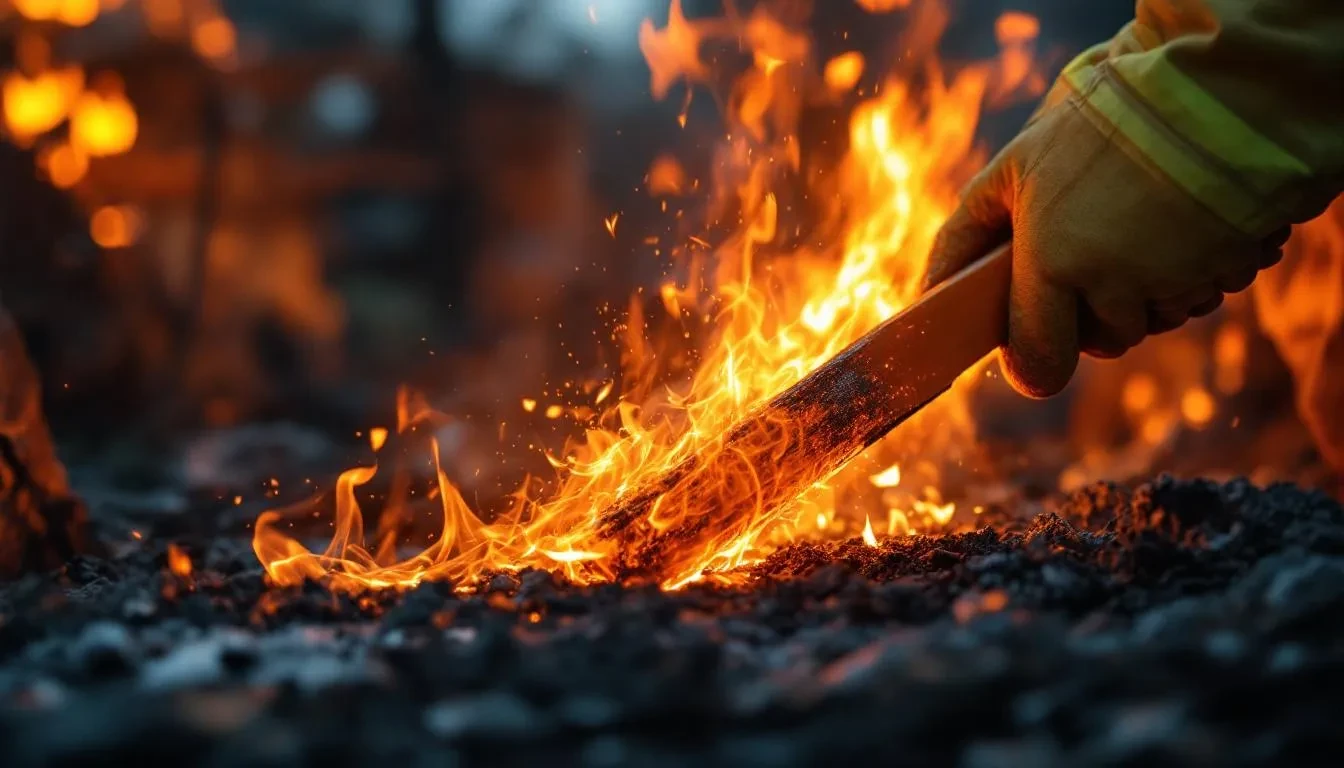
The short answer is: only when an official tells you it is. After a house fire, Tampa Fire Rescue or the Hillsborough County Fire Marshal will conduct a structural assessment before allowing any homeowner back inside. Here is what to understand about re-entry safety:
Structural Hazards
Fire weakens wood framing, drywall, and load-bearing elements. Floors can collapse without warning. Ceilings saturated from firefighting water are especially unstable.
Air Quality Concerns Unique to Florida’s Humid Climate
This is a content area most national guides completely ignore, but it is critical for Tampa homeowners. Florida’s high humidity accelerates the breakdown of soot particles and smoke residue into airborne toxins. When smoke and soot mix with moisture-laden air, they form a sticky, acidic film that coats surfaces and penetrates HVAC systems. Breathing this air even briefly can cause respiratory damage. If the home has been closed up for more than a few hours after a fire, indoor air quality can be far more dangerous than the air outside.
Additionally, Florida’s heat accelerates mold growth dramatically. A fire-damaged home that also has water damage from firefighting efforts can develop visible mold colonies within 24 to 48 hours in Tampa’s climate. This is not an exaggeration — it is a documented reality our restoration team sees regularly on Tampa-area properties.
When Is It Generally Safe?
A home may be safe to re-enter for limited, supervised access once:
- Tampa Fire Rescue or the Fire Marshal has issued a clearance
- Utilities have been shut off or confirmed safe
- A licensed structural engineer or restoration professional has assessed the property
- You have appropriate personal protective equipment (N95 mask minimum, gloves, eye protection)
Step-by-Step: Documenting Fire and Smoke Damage for Your Insurance Claim
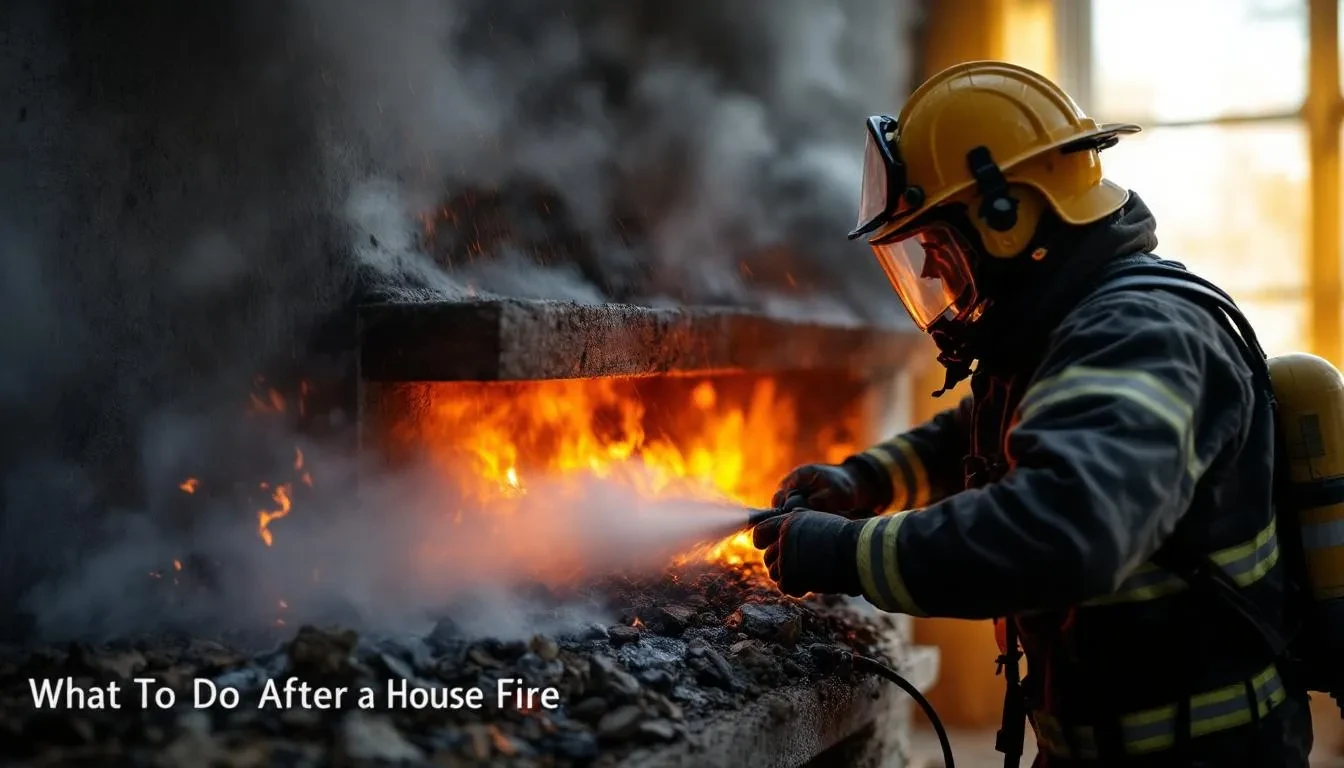
Thorough documentation is the foundation of a successful insurance claim. Do this before any cleaning or restoration work begins.
Understanding the Three Types of Fire-Related Damage
For insurance documentation purposes, it is important to distinguish between three distinct damage categories:
- Structural fire damage: Direct destruction of building materials by flames — charred framing, melted wiring, destroyed roofing, burned flooring. This is typically the most expensive category and the one most clearly covered by standard homeowners policies.
- Smoke damage: Discoloration, staining, and odor penetration caused by smoke particles embedding into walls, ceilings, fabrics, and HVAC systems. Smoke travels throughout the entire home, even rooms untouched by flames.
- Soot damage: The black, oily residue left behind by incomplete combustion. Soot is chemically caustic — it continues to corrode metal surfaces, discolor paint, and degrade fabrics the longer it sits. Soot damage worsens every day you wait.
Document each type separately with photos and written descriptions. Your adjuster will need this level of detail to process your claim correctly.
Documentation Checklist
- Photograph every room from multiple angles before anything is moved or cleaned
- Video walk-through narrating the damage you observe
- Photograph smoke staining on walls, ceilings, and inside cabinets
- Document soot deposits on appliances, furniture, and HVAC vents
- Capture all water damage from firefighting efforts (pooled water, saturated drywall, warped flooring)
- Create a written inventory of every damaged or destroyed item with estimated value
- Save receipts for any emergency expenses (hotel, meals, emergency supplies)
- Request a copy of the fire report from Tampa Fire Rescue
How to File a Homeowners Insurance Claim After a House Fire in Florida
Florida’s insurance landscape is unique, and Tampa homeowners need to navigate it carefully after a house fire.
Steps to File Your Claim
- Step 1 (fire damage restoration Tampa): Call your insurer’s emergency claims line as soon as possible and report the loss. Get a claim number.
- Step 2: Ask specifically about Additional Living Expenses (ALE) coverage. Most Florida homeowners policies include ALE, which pays for hotel, meals, and other costs while your home is uninhabitable.
- Step 3: Request your full policy in writing so you understand your deductible, coverage limits, and any exclusions.
- Step 4: Do not sign any releases or accept any settlement offers until you have received a full damage assessment from a licensed restoration company. Early low-ball offers are common.
- Step 5: Authorize your restoration company to work directly with your insurer. At 911 Restoration Tampa, we provide direct insurance billing and handle claim documentation on your behalf, reducing the stress on you during an already overwhelming time.
Florida-Specific Deadlines to Know
As noted above, Florida’s recent insurance reform laws have tightened deadlines significantly. File your claim within one year of the date of loss. Do not assume you have more time. If you discover additional damage later (such as hidden smoke damage or secondary mold), you have 18 months to file a supplemental claim. Missing these deadlines can void your right to compensation entirely.
Finding Emergency Housing in Tampa After a Fire
Displacement is one of the most disorienting aspects of a house fire. Here are resources specifically available to Tampa and Hillsborough County residents:
Immediate Night-of Shelter
- American Red Cross Tampa Bay: The American Red Cross responds directly to house fires and can provide immediate shelter, food, and emergency supplies. Call 1-800-RED-CROSS (1-800-733-2767) or visit their local chapter at 2225 N. Florida Ave., Tampa, FL 33602.
- Hillsborough County Emergency Management: Contact at 813-272-6502. They coordinate with FEMA and local shelters during declared disasters.
- Catholic Charities Diocese of St. Petersburg: Serves Hillsborough County with emergency housing assistance.
Short and Medium-Term Housing
Use your homeowners insurance ALE coverage to book a hotel immediately. Extended-stay hotels near Tampa Bay — such as those along Dale Mabry Highway or near the Westshore district — are familiar with working with displaced homeowners and insurance billing. Keep every receipt.
Registering with FEMA, the American Red Cross, and Hillsborough County Programs
Beyond immediate shelter, several programs can help Tampa fire survivors with financial assistance and recovery support:
FEMA Individual Assistance
If your fire occurred during or following a federally declared disaster, you may qualify for FEMA Individual Assistance. Register at DisasterAssistance.gov or call 1-800-621-3362. FEMA can provide funds for temporary housing, home repair, and other disaster-related expenses not covered by insurance.
American Red Cross Fire Recovery Services
The American Red Cross does not only respond the night of a fire. Their Home Fire Recovery program can connect you with financial assistance for immediate needs, replacement of essential items, and case management for ongoing recovery. Contact Tampa Bay’s local chapter directly.
Hillsborough County Emergency Management
The Hillsborough County Emergency Management office connects residents with local disaster relief organizations, temporary housing programs, and recovery case managers. Their office is located at 601 E. Kennedy Blvd., Tampa, FL 33602.
Florida Division of Emergency Management
The Florida Division of Emergency Management maintains a statewide network of recovery resources and can direct Tampa homeowners to state-level financial assistance programs.
Understanding the Fire Damage Restoration Process
Many homeowners are uncertain what professional fire damage restoration actually involves. Here is a clear breakdown of the process our team follows at 911 Restoration Tampa:
Phase 1: Emergency Mitigation (Day 1)
The first priority is stopping additional damage. This includes emergency board-up and tarping, water extraction from firefighting efforts, and deploying industrial drying equipment. In Tampa’s heat, water left standing inside a fire-damaged home begins growing mold within 24 to 48 hours. Fast mitigation is not optional — it is essential.
Phase 2: Assessment and Documentation
Our IICRC certified technicians conduct a thorough assessment of all fire damage, smoke damage, soot damage, and water damage. We document everything with photos and detailed reports compatible with insurance claim requirements. We work directly with your insurance adjuster to make sure nothing is missed.
Phase 3: Soot and Smoke Cleaning
Professional cleaning of soot and smoke residue requires specialized equipment and chemical treatments. Standard household cleaning products do not neutralize acidic soot deposits and can actually spread contamination. Our team uses HEPA air scrubbers, thermal fogging, ozone treatment, and industrial-grade cleaning agents to remove smoke odor and soot from all surfaces, including inside HVAC systems.
Phase 4: Structural Drying and Mold Prevention
Water damage from firefighting efforts must be fully dried using commercial dehumidifiers and air movers. In Tampa Bay’s humid climate, this phase is especially critical. We monitor moisture levels throughout the drying process using professional moisture meters to ensure the structure reaches safe levels before reconstruction begins.
Phase 5: Content Cleaning and Pack-Out
Personal belongings, furniture, and valuables that can be salvaged are carefully packed out, inventoried, and cleaned off-site using ultrasonic cleaning equipment and ozone chambers. This protects your property and provides documentation for your insurance claim.
Phase 6: Reconstruction
Once the home is clean, dry, and structurally stable, reconstruction begins. This may range from replacing drywall and flooring in a single room to full structural rebuilding. 911 Restoration Tampa coordinates all licensed subcontractors and pulls required permits, so you have one point of contact throughout the entire restoration process.
Smoke, Soot, and Water Damage: Why Professional Cleaning Matters
After a house fire, many Tampa homeowners are tempted to begin cleaning up on their own. We strongly advise against this. Here is why professional services are not just preferable — they are necessary:
Secondary Water Damage from Firefighting
Thousands of gallons of water are used to extinguish a residential fire. This water saturates walls, floors, insulation, and structural framing throughout the home — often in rooms that sustained no flame damage at all. In Tampa’s heat, this moisture creates ideal conditions for mold growth within 24 to 48 hours. Secondary water damage that goes untreated can result in mold remediation costs that exceed the original fire damage repair costs.
What DIY Cleaning Gets Wrong
- Scrubbing soot with water spreads the acidic residue deeper into surfaces
- Standard air fresheners mask smoke odor without neutralizing the underlying compounds
- HVAC systems recirculate soot and smoke particles through the entire home if not professionally cleaned
- Without moisture meters, hidden water damage goes undetected until mold is visible
Air Quality Restoration
Restoring safe indoor air after a fire requires more than opening windows. Professional air quality restoration includes HEPA filtration, negative air pressure containment, thermal fogging, and ozone treatments. In Florida’s humid climate, these steps are even more critical because moisture in the air keeps smoke and soot particles suspended longer.
How to Choose a Licensed Fire Damage Restoration Company in Tampa
Not all restoration companies are equal. After a disaster, predatory contractors and unlicensed operators often target vulnerable homeowners. Here is how to protect yourself:
What to Look For
- IICRC Certification: The Institute of Inspection, Cleaning and Restoration Certification (IICRC) is the gold standard for the restoration industry. Verify that the company employs IICRC certified technicians.
- Florida State Licensing: Confirm the company holds a valid Florida General Contractor or Certified Building Contractor license. You can verify licenses at MyFloridaLicense.com.
- Local presence: Choose a company with a physical presence in Tampa Bay, not a national call center that dispatches out-of-area crews.
- Direct insurance billing: A reputable company will work directly with your insurer, reducing paperwork and out-of-pocket costs for you.
- 24/7 emergency response: Fire damage restoration emergencies do not wait for business hours. Your restoration partner should not either.
- Transparent pricing: Ask for a written estimate before work begins.
What to Avoid
- Door-to-door contractors offering suspiciously low quotes immediately after a disaster
- Companies that demand large cash payments upfront
- Any contractor who asks you to sign over your insurance benefits (Assignment of Benefits fraud is a serious issue in Florida)
Rebuilding Your Tampa Home: Permits, Contractors, and Timelines
The rebuild timeline after a house fire in Tampa depends on the severity of damage, permitting timelines, and material availability. Here is what to realistically expect:
Permitting in Tampa and Hillsborough County
Any structural repairs to your Tampa home require permits from the City of Tampa’s Construction Services or Hillsborough County’s Building Services Department. Permit timelines currently range from 2 to 6 weeks for standard residential permits, though expedited review may be available for disaster repairs. 911 Restoration Tampa handles permit applications as part of our full-service reconstruction offering.
Realistic Cost Ranges for Tampa Fire Damage Restoration
Costs vary widely depending on the size of the home and extent of damage:
- Minor fire damage (single room, limited smoke): $3,000 – $15,000
- Moderate fire damage (multiple rooms, significant smoke and water damage throughout home): $15,000 – $50,000
- Severe fire damage (structural compromise, major rebuild required): $50,000 – $150,000+
These ranges reflect the Tampa, FL market as of 2025 and account for the additional costs associated with Florida’s building codes, humidity-related mold mitigation requirements, and current material and labor costs in the Tampa Bay area.
Typical Restoration Timelines
- Emergency mitigation and drying: 3 – 7 days
- Cleaning and content pack-out: 1 – 2 weeks
- Permitting and contractor coordination: 2 – 6 weeks
- Full reconstruction: 2 – 6 months depending on severity
Tampa Homeowner Post-Fire Checklist
Print or screenshot this checklist and use it as your action guide after a house fire in Tampa.
- ☐ Everyone is safely out of the home. 911 called.
- ☐ Utility shutoffs requested: TECO (813-223-0800), Tampa Water (813-274-8121), TECO Peoples Gas (800-700-2443)
- ☐ 911 Restoration Tampa called: (813) 701-6400
- ☐ Homeowners insurance claim filed. Claim number recorded: ___________
- ☐ ALE (Additional Living Expenses) coverage confirmed with insurer
- ☐ Photo and video documentation completed before any cleaning begins
- ☐ Fire report requested from Tampa Fire Rescue
- ☐ American Red Cross contacted if emergency housing needed: 1-800-733-2767
- ☐ Hillsborough County Emergency Management notified if applicable: 813-272-6502
- ☐ FEMA registration completed if applicable: 1-800-621-3362
- ☐ Property secured (board-up, tarping) by restoration team
- ☐ Important documents (ID, insurance policies, financial records) located or replacement process started
What NOT to Do After a House Fire — Common Mistakes Tampa Homeowners Make
- Do not re-enter before official clearance. The home is not safe until a fire official says so.
- Do not clean or throw anything away before documenting. Every item, even damaged ones, is potential insurance evidence.
- Do not turn on the HVAC system. Running the air system before professional cleaning distributes soot throughout the entire home.
- Do not eat food that was in the home during the fire. Food exposed to smoke, heat, or firefighting chemicals should be discarded.
- Do not sign an Assignment of Benefits agreement with any contractor without consulting your insurer or an attorney first.
- Do not wait to call a restoration company. Every hour of delay in Tampa’s climate means more mold risk and more damage.
- Do not accept a settlement from your insurer before getting a professional damage assessment. Initial estimates are often incomplete.
Frequently Asked Questions About Fire Damage Restoration in Tampa
How soon should I call a fire damage restoration company after a fire in Tampa?
Call immediately — even before the fire trucks have left if possible. In Tampa’s hot, humid climate, secondary water damage from firefighting efforts begins promoting mold growth within 24 to 48 hours. Soot starts permanently etching and corroding surfaces within hours. The faster a professional restoration team begins mitigation, the less total damage you will face and the lower your overall restoration costs will be. 911 Restoration Tampa is available 24/7 and typically arrives within 45 minutes of your call anywhere in Hillsborough County.
Why choose 911 Restoration of Tampa over other fire damage restoration providers?
911 Restoration Tampa combines the resources of a national brand with genuine local presence and accountability. Our team lives and works in Tampa Bay — we are not a national call center dispatching strangers from across the state. We employ IICRC certified technicians, provide 24/7 emergency response with average on-site arrival of 45 minutes, offer direct insurance billing to reduce your out-of-pocket stress, and provide full-service restoration from emergency mitigation through final reconstruction. We have direct experience with Tampa’s specific climate challenges, Florida’s insurance laws, and Hillsborough County’s permitting processes.
Does homeowners insurance cover fire damage restoration in Florida?
Yes, in most cases. Standard Florida homeowners insurance policies cover fire damage restoration, including structural repairs, smoke and soot cleaning, water damage from firefighting efforts, and content replacement up to your policy limits. Most policies also include Additional Living Expenses (ALE) coverage to pay for hotel and meals while your home is being restored. Always review your specific policy, understand your deductible, and file your claim within Florida’s one-year deadline. 911 Restoration Tampa provides direct insurance billing and works with your adjuster on your behalf.
How long does fire damage restoration take for a Tampa home?
Timeline depends on the severity of damage. Emergency mitigation and structural drying typically takes 3 to 7 days. Professional cleaning, soot removal, and content pack-out takes 1 to 2 weeks. Permitting in Tampa or Hillsborough County adds 2 to 6 weeks. Full reconstruction for moderate to severe fire damage can take 2 to 6 months. Minor fire damage limited to a single room may be fully resolved within 4 to 6 weeks. 911 Restoration Tampa provides a project timeline estimate after our initial assessment so you know what to expect.
Can smoke odors be completely removed after a house fire?
Yes — but only with professional treatment. DIY cleaning and air fresheners cannot neutralize the organic compounds responsible for persistent smoke odor. Professional smoke odor removal involves thermal fogging (which mimics how smoke penetrates surfaces, but with a neutralizing agent), ozone treatment, hydroxyl generator treatment, and thorough cleaning of all HVAC components. When performed correctly by IICRC certified technicians, smoke odors can be completely eliminated. Surface repainting alone will not solve the problem if underlying odor compounds remain in wall cavities, insulation, or ductwork.
Is it safe to stay in my home after a small house fire?
Not without a professional assessment. Even a small fire — such as a kitchen fire or a fire confined to one room — releases toxic smoke and soot particles that spread throughout the entire home via air currents and the HVAC system. Indoor air quality can remain hazardous even after the fire is out. Additionally, water used to extinguish even a small fire can cause hidden structural damage and mold growth within 24 to 48 hours in Tampa’s climate. Have a licensed restoration professional assess air quality and structural integrity before deciding to remain in the home.
What does the fire damage restoration process involve step by step?
The fire damage restoration process involves six key phases: (1) Emergency mitigation — board-up, tarping, and water extraction to stop additional damage immediately. (2) Assessment and documentation — thorough inspection and photo documentation for insurance purposes. (3) Soot and smoke cleaning — professional removal of all smoke and soot residue using specialized equipment and chemicals. (4) Structural drying — industrial dehumidification and drying of all water-damaged materials. (5) Content cleaning and pack-out — salvageable belongings are cleaned and stored off-site. (6) Reconstruction — rebuilding damaged structural elements, replacing drywall, flooring, roofing, and other components to restore the home to pre-loss condition.
Contact 911 Restoration Tampa — We Are Here When You Need Us Most
A house fire changes everything in an instant. But the right team, responding fast, can make the difference between a devastating permanent loss and a full recovery. At 911 Restoration Tampa, we have helped hundreds of Tampa Bay homeowners rebuild after fire, water, and disaster emergencies. Our IICRC certified local team is standing by right now, 24 hours a