

28
Aug
How Much Does Fire Damage Restoration Cost in Tampa?
Fire Damage Restoration Cost in Tampa, FL Explained
- The average fire damage restoration cost in Tampa can range from about $3,100 to over $51,000.
- Your final restoration costs depend on the size of your home and the extent of the fire damage.
- Beyond fire, you must also budget for smoke damage, soot removal, and water damage restoration.
- Costs in Florida are often higher than the national average due to local labor and material costs.
- Emergency services can prevent further issues like mold growth, which helps control overall expenses.
- Your homeowner’s insurance policy will typically cover the majority of accidental fire damage costs.
Introduction
Having a fire in your home can be very hard and stressful for property owners. After the fire stops, the work to clean up starts, bringing new worries about how much it will cost. The price for fire damage restoration in Tampa changes a lot. This leaves many people feeling it is just too much to handle. It helps to know what can make the bill go up or down. That is the first thing you need for a good recovery. This guide is here to show you what the usual cost is for damage restoration. It covers small problems like minor smoke damage and goes all the way to big repairs. Now you will know what is waiting for you when you call restoration services.
Average Fire Damage Restoration Cost in Tampa, FL
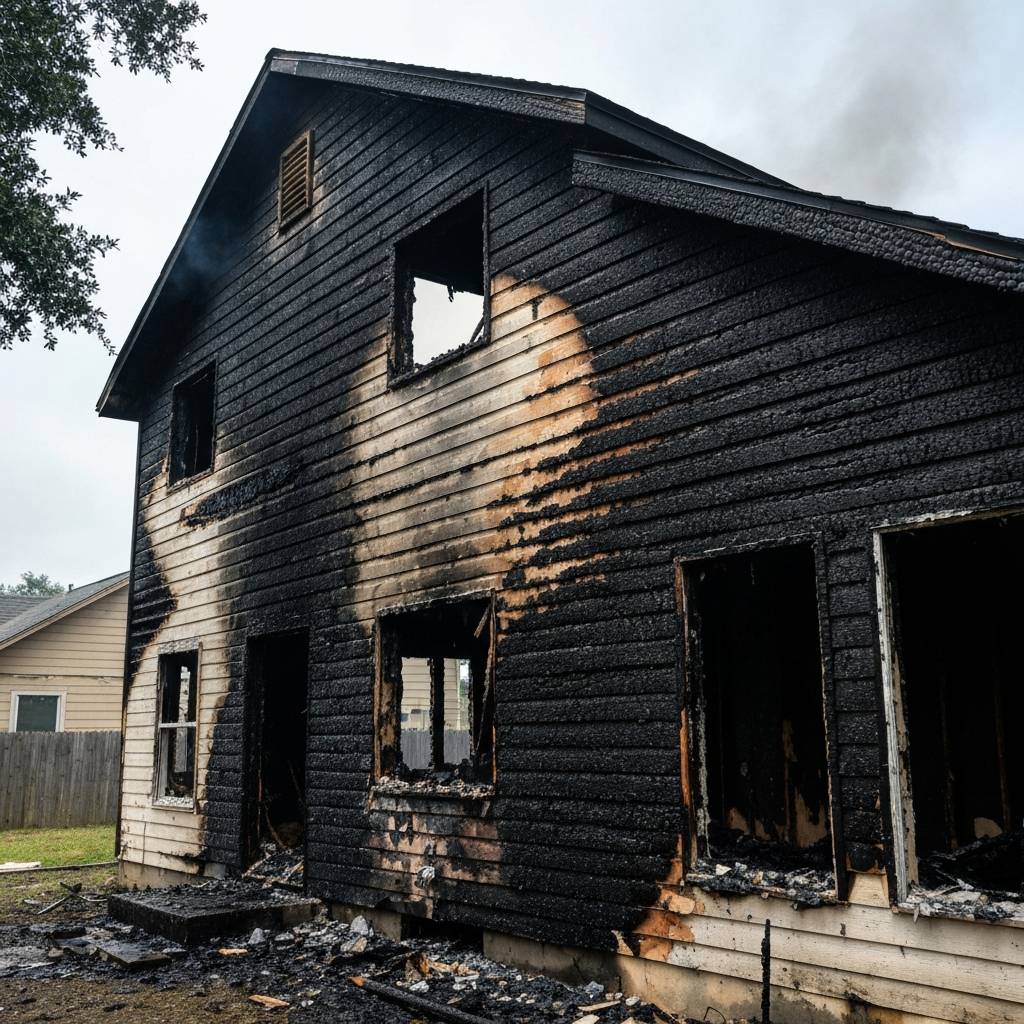
Trying to figure out a budget for fire damage cleanup can be hard. Each case is not like the other. Most homeowners across the country pay from $3,107 up to $51,243. The average cost, though, is about $27,175. If the job is small, like cleaning from a cooking fire, it might only be a few hundred dollars. When there is strong structural damage from the fire, the cost could be more than $180,000.
In Florida, fire damage restoration costs for minor damage are often higher than in other places. The average cost for damage restoration in the state is close to $64,900. Higher material costs and local worker rates push up the price. Keep in mind, these numbers are just averages. For Tampa, the best way to know your true cost is to get a fire damage professional to see the damage first-hand.
Typical Price Ranges for Local Fire and Smoke Damage Services
A fire damage restoration project involves several different services. The flames themselves are only part of the problem; smoke, soot, and water from firefighting efforts also cause significant damage. Clearly understanding the extent of fire damage caused by these elements is crucial. Each of these issues requires a specific cleanup approach with its own associated costs.
A professional restoration company will break down the services needed for your home, especially if you’re dealing with damage from a recent fire. You will see different costs for smoke damage restoration versus structural repairs. Below is a table showing the typical price ranges for common services you might need after a fire in Tampa.
| Service | Average Cost Range |
|---|---|
| Water Damage Cleanup | $1,000 – $6,000 |
| Soot Removal | $2,000 – $6,000 |
| Smoke Cleanup | $200 – $1,200 |
| Air Duct Cleaning | $250 – $500 |
| Thermal Fogging | $200 – $600 |
| Ozone Treatment | $400 – $800 |
These costs can overlap and will be part of your total fire damage cleanup bill. For example, you will likely need both water damage restoration and soot removal to bring your home back to its pre-fire condition.
How Tampa Costs Compare to the National Average
You might see that fire restoration costs in Tampa are a lot higher than what you find for the whole country. The average cost in the U.S. is about $27,175, depending on the extent of the damage. But in Florida, the average cost is closer to $64,900. This big jump happens a lot in states near the coast.
Why does this cost go up so much? A big part of the total bill—between 50% and 70%—goes to pay for labor. In places where it costs more to live, like much of Florida, the price to hire workers is higher. This makes the final price of fire restoration go up.
So if you get an estimate from a Tampa fire restoration company, it matches the local costs. It might look high next to the national numbers, but this is a normal price to pay for good work and skilled people in our area. The average cost you see is just what it takes to get this job done well in Tampa.
Main Factors Affecting Fire Restoration Costs in Tampa
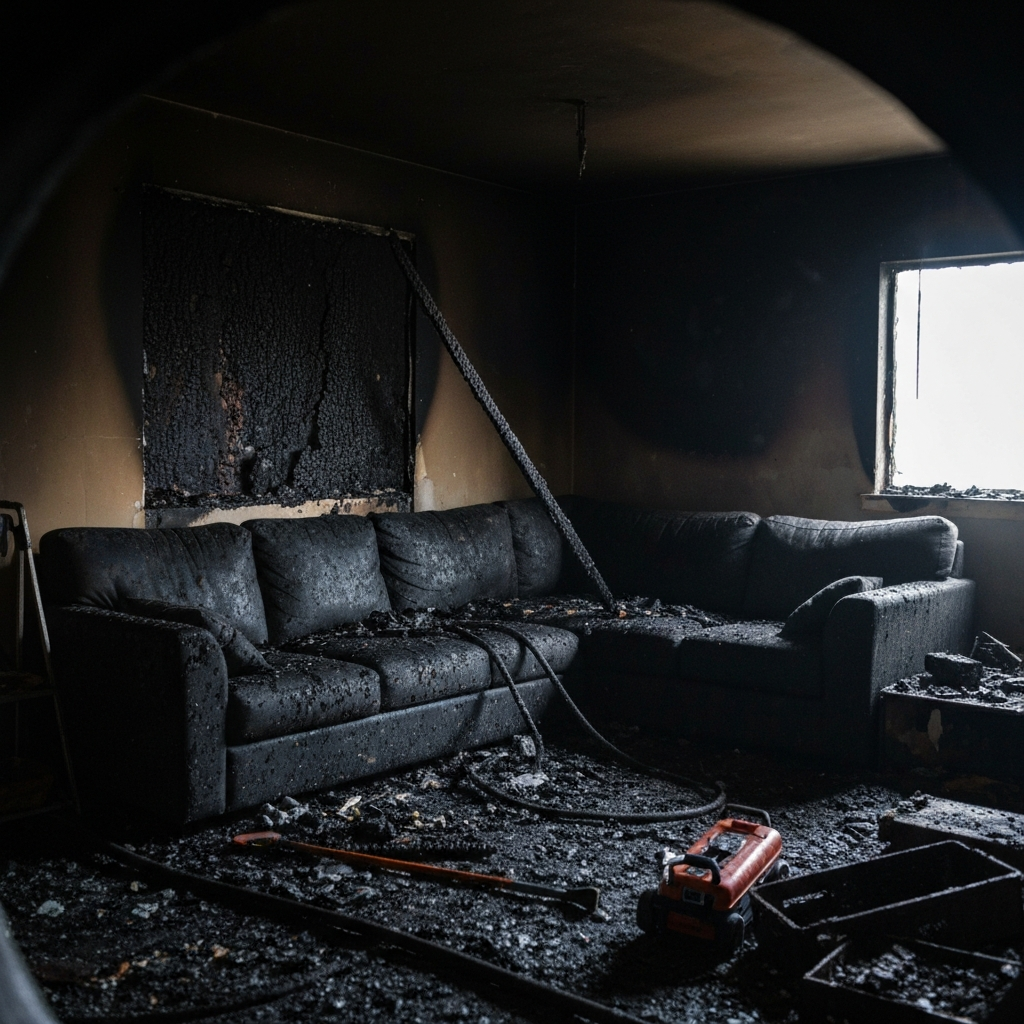
No two fires are the same. So, every fire restoration job will have a different price. There are a few main things that affect your final restoration costs. The most clear is the extent of damage, but some other parts will also play a big role in how much you pay.
When you know about these things, it can help you know why you got a certain estimate for your Tampa home. The size of the property affected, the type of fire, and how bad the damage is all make the fire restoration process harder and add to the cost. We will now look at these factors in detail.
Size of Home or Building
Yes, the size of your home or the area that was hit is a big reason for your total restoration costs, especially if structural components are involved. Most companies work out prices by square foot. The average cost is between $4 and $7 for each square foot. This depends on how bad the damage is.
If the space is bigger, such as commercial spaces, it takes more people, more things, and more time to fix. If a fire is just in one room, it will cost much less than if the damage is all over your home. The more square foot you need to fix, the more you pay in the end.
Here are some real examples of how the size of your home can change your costs:
- 1,000 sq. ft.: $4,000–$7,000
- 2,000 sq. ft.: $8,000–$14,000
- 3,000 sq. ft.: $12,000–$21,000
Severity and Type of Fire Damage
The type of fire that happens in your home can change the whole restoration process. It can also change how much you will pay to fix your place. Different things burn in their own way, so they leave behind different kinds of dirt, smoke damage, and structural elements of damage. If the fire is small and put out fast, the damage severity is way less than a fire that keeps burning for a long time.
For instance, if you have a grease fire in the kitchen, you will find oily soot on everything. This is hard to clean and will take a lot of time. If there are electrical fires, you might need to change out wiring. You also may need to fix parts of your walls or other parts of the house. Each type of fire needs its own specialized equipment and restoration services to make the home safe for people to live in again.
Here are some types of fire and how they are different:
- Ordinary Combustibles (Wood, Paper): This type is very common but still creates a lot of smoke damage and soot.
- Kitchen Fires (Grease, Oil): These fires leave an oily coating that sticks and needs special cleaning steps.
- Electrical Fires: These fires can really hurt your home’s wiring, and that means bigger repairs and higher costs.
Emergency Call vs. Scheduled Restoration
When there is a fire, you cannot wait for scheduled repairs. The restoration process has to start right away to stop more damage. An emergency call may look like it costs more at first, but it can actually help you save on total restoration costs over time.
If you wait to clean up, water damage from firefighting efforts can soak in. Mold growth can start in as little as 24 to 48 hours. Soot will keep marking up surfaces, and smoke odors can go deeper into your home or your things. When an emergency team comes fast, they stop this from becoming worse.
Emergency services kick off the restoration process. Usually, these include:
- Securing your place by boarding up windows and doors.
- Putting tarps on the roof to keep out rain and weather.
- Getting water out of your home to begin the drying process.
Cost Breakdown for Common Fire Damage Cleanup Services
When a restoration company comes to look at your property, they do not only see burned things. Fire does more than just burn. It can bring smoke, soot, and even water from putting out the fire, leading to extensive damage. The total fire damage restoration cost is made up of all these parts.
Each part of the damage needs its own tools and way to clean. When you know the total cost of what you are paying for, you can better understand the estimate the company gives you. In the sections below, we will talk about the cost for common work like smoke removal, water damage restoration, and what goes into cleanup after different types of fires.
Smoke and Soot Removal Pricing
Smoke and soot can do more damage to your home than the fire. The small bits move all over, landing on your walls, in your HVAC system, and deep inside furniture. You can’t just cover the stains with paint. You will need help from professional smoke damage restoration to fix these problems. Soot damage removal can cost you between $2,000 and $6,000.
Getting rid of smoke smell is also very important. If you don’t treat it right, the smoke odor removal can stay in your home for years. There are several ways experts use to remove the smoke odor at the source. The cost will depend on the type of method you pick.
Your total restoration costs may come from using different cleaning and deodorizing methods:
- Smoke Damage Restoration: $200–$1,200 per room
- Thermal Fogging: $200–$600
- Ozone Treatment: $400–$800
- Duct Cleaning: $250–$500
Water Damage Restoration Costs After a Fire
It might feel odd to deal with water after a fire in your home, but water from firefighting efforts can leave everything soaked. Water from fire hoses or sprinkler systems can make just as much damage as the fire. If you do not handle this water right away, fire damage recovery can become more complicated and cost you money. Water damage restoration costs are usually between $1,000 and $6,000.
The water that firefighters use is normally clean water, but when it mixes with soot and other things, it gets dirty fast. Restoration services have to start right away to stop mold from growing and causing even more problems.
Here are some of the main steps in the restoration services process:
- Removing all standing water.
- Drying out building materials using special fans and dehumidifiers.
- Taking out things like insulation and drywall that cannot be saved.
Kitchen and Grease Fire Cleanup Rates
Kitchen fires happen a lot, especially when grease is involved. These fires can make the cleaning job very hard as there may also be chemical damage. The cost to restore your kitchen after a grease fire is usually between $12,000 and $20,000. This is more money than with some other types of fire damage because of how tough the cleanup work is.
The smoke from a grease fire leaves behind oily soot on everything. You will find this sticky residue on walls, cabinets, and appliances. You can’t get rid of it using normal cleaners. You need special products and tricks to clean soot and take out all the oily soot. This is why fire damage restoration takes more work and time.
If there is a kitchen fire in Tampa, the cleanup process often includes:
- Deep cleaning and getting rid of bad smells from cabinets and counters.
- Fixing or getting new appliances if the old ones are hurt.
- Repainting the walls and ceilings after they are cleaned, so all signs of soot are gone.
The fire damage restoration process is needed to help come back from any kind of fire damage, but kitchen fires can be the most work because of the oily soot and the effort needed to get your space back to good use.
Insurance and Out-of-Pocket Expenses for Tampa Homeowners
After a fire, the first thing you should do is call your insurance company. Most homeowner’s insurance plans cover fire damage if it was not done on purpose. This can give you some relief in a tough time. But filing an insurance claim may be hard, and you could still owe some money.
It is good to know what your insurance will pay for and what it will not cover. This will help you plan for damage restoration expenses. Let’s see what the insurance company usually covers with fire damage and what costs you might have to pay during fire damage restoration, with or without coverage.
What Insurance Usually Covers in Fire Restoration
Your homeowner’s insurance policy is one of the most important things you have after a fire. If the fire was not on purpose, your insurance company will pay for most of the amount of damage from the fire damage restoration. You just have to pay your deductible. The coverage in most insurance policies is split into a few main areas.
These types of coverage work together to fix your home and help you get life back to normal. It is smart to read your insurance policy. Doing this helps you know your limits and coverages before anything happens. You can also work with a restoration company. The people there will talk to your insurer for you.
Most policies give you these types of coverage:
- Dwelling Coverage: This will pay for structural repairs on your home, like fixing walls, floors, and the roof.
- Personal Property Coverage: This is there to help you buy new things if your stuff, like furniture and clothes, was burned or ruined.
- Additional Living Expenses (ALE): This pays for you to stay somewhere else and get your meals if you can’t be at home during damage restoration.
fire damage, fire damage restoration, damage restoration, insurance company, structural repairs, restoration services, restoration company, insurance policy, personal property
Expected Out-of-Pocket Costs if Uninsured
A small fire can be a huge problem, especially if you do not have insurance. When you are not covered, you have to pay the whole fire damage restoration amount. These bills can get very high, sometimes reaching tens of thousands of dollars. For many people, it is hard to handle such fire damage costs.
You pay for every part of the damage restoration on your own. If you do have insurance, there are still some payments you must make. Your policy has a deductible. You need to pay that first. Insurance helps after you pay the deductible.
If you are paying from your own pocket, you need money for all the needed services, such as:
- Emergency board-up and water extraction.
- Soot and smoke damage cleanup.
- Full structural repairs and rebuilding.
Conclusion
It is important to know what fire damage restoration might cost in Tampa. This helps homeowners be ready and make the right choices. When you know the average prices and the things that can change what you pay, the process can feel less stressful. If you have smoke damage, or if a fire happened in your kitchen, knowing what comes next, including potential smoke particles, helps you plan and be ready with your budget. If you want to ask anything, or if you need help just for you, you can contact us for a free consultation. We care about your peace of mind.
Frequently Asked Questions
Does the size of my home affect fire restoration costs in Tampa?
Yes, the size of your home matters when it comes to house fires, fire damage, and damage restoration. The final price goes up if more square feet in your home are hurt by fire, smoke, or water. Bigger spaces take more materials, more labor, and more time. So, the restoration costs for fire damage restoration in Tampa get higher when the size of your home is bigger.
Is it more expensive to repair fire damage if I want to sell my house as-is?
If you decide to sell your house as-is, you do not have to pay for repair costs. But the price you get will be much lower. Many times, the drop in value is more than the restoration costs would be. When you have a restoration company fix the fire damage, you often end up in a better spot with your money.
Are emergency fire restoration services pricier in Tampa compared to scheduled repairs?
Emergency restoration services are important and begin right away to stop bigger problems, including protecting your personal belongings. There is a cost for this 24/7 response, but it can help you save money in the end by stopping things like mold from spreading. If you wait too long for fire damage restoration, it will make restoration costs go up for your Tampa home. Using damage restoration services quickly is the best way to keep your home and your personal belongings safe.
Dealing with fire or smoke damage in Tampa? Contact 911 Restoration of Tampa Bay for professional fire damage restoration services. Call (813) 261-1525 for 24/7 emergency response.
Latest Posts
Contact Us
For Advice
Need help? Talk to an expert
(813) 261-1525