

28
Aug
Soot Damage Cleanup: Why DIY Can Worsen the Situation
Key Highlights
Here’s what you need to know about soot damage cleanup after a fire:
- Soot is more than dirt; it’s a toxic substance that can cause serious health issues.
- Attempting to clean soot yourself often spreads the contamination and makes it worse.
- Household cleaners can react with soot, causing permanent stains and damage.
- Soot particles are tiny and can enter your lungs, leading to respiratory problems.
- Professional fire damage restoration uses special tools to safely remove soot.
- The complete restoration process ensures your home is free of residue and odors.
Introduction
After the stress of a house fire, your first instinct might be to start cleaning up the mess. Seeing black streaks and dust everywhere can make you want to grab a sponge and get to work. However, when it comes to soot damage, a DIY approach can cause more harm than good. This black powder is not ordinary dust. Understanding the risks of improper smoke damage cleanup is the first step toward a safe and effective fire damage restoration for your home.
Understanding Soot Damage and Its Dangers
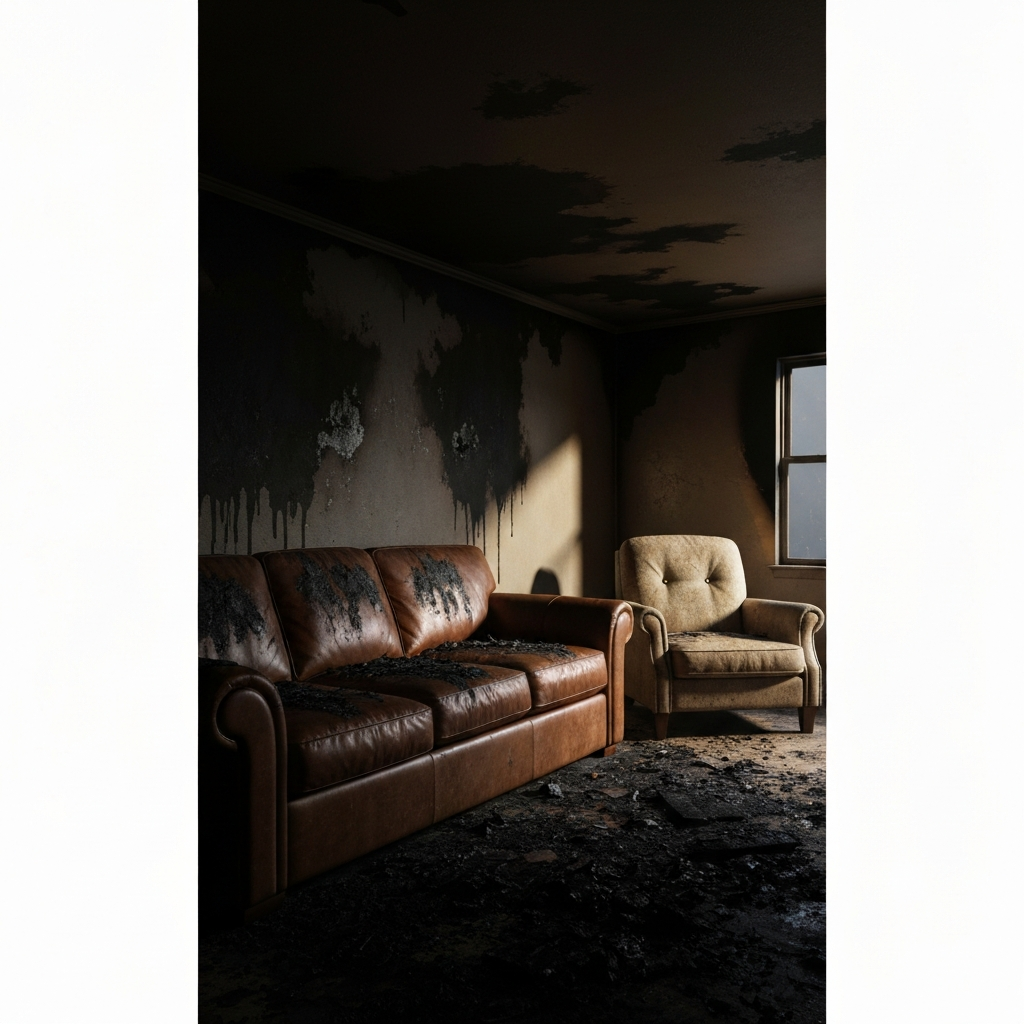
Soot is the black, powdery residue left behind when materials burn. Unlike simple dust, these soot particles are a complex mix of carbon, acids, chemicals, and metals. This toxic combination can cause significant damage to your property and pose serious health hazards if not handled correctly.
The sticky and acidic nature of this residue means it creates widespread contamination that requires a specialized approach. Cleaning soot damage is different from general smoke damage cleanup because it focuses on removing these specific, harmful physical particles, while smoke cleanup also addresses odors and gaseous residues. We’ll explore what makes soot unique and the dangers it presents.
What Makes Soot Different from Ordinary Dirt?
You might think soot is just a type of dirt, but it behaves very differently. Soot particles are microscopic, often oily, and can be highly acidic. These fine particles are much smaller than dust, allowing them to penetrate deep into porous surfaces like drywall, wood, and upholstery, making them difficult to remove.
The type of fire also determines the kind of residue left behind. A fast, hot fire can leave a dry, powdery soot, while a slow, smoldering fire creates a thick, oily soot that smears easily. Each type requires a different cleaning method, which is why a one-size-fits-all approach with household cleaners often fails and can even set the stains permanently.
Ultimately, cleaning soot damage is a specific task within the broader category of smoke damage. Smoke damage includes both the visible soot residue and the invisible odors and chemical vapors. Simply wiping away the black marks doesn’t address the full extent of the contaminants.
Health Hazards of Soot Exposure After a Fire
Trying to clean soot on your own exposes you to significant health issues. When you disturb soot by sweeping or wiping, its tiny carbon particles become airborne and can be easily inhaled. These particles are small enough to travel deep into your lungs and can even enter your bloodstream.
Direct contact with soot can also irritate your skin and eyes. For individuals with pre-existing respiratory conditions like asthma or bronchitis, exposure can be particularly dangerous and trigger severe reactions.
The most common health risks associated with soot exposure include:
- Breathing problems and shortness of breath
- Skin and eye irritation
- Worsening of asthma or other respiratory conditions
- Long-term issues from toxic contaminants
Protecting your health is the most important reason to avoid DIY cleanup and leave it to professionals with the right safety gear.
Why Does DIY Soot Cleanup Often Make Things Worse?
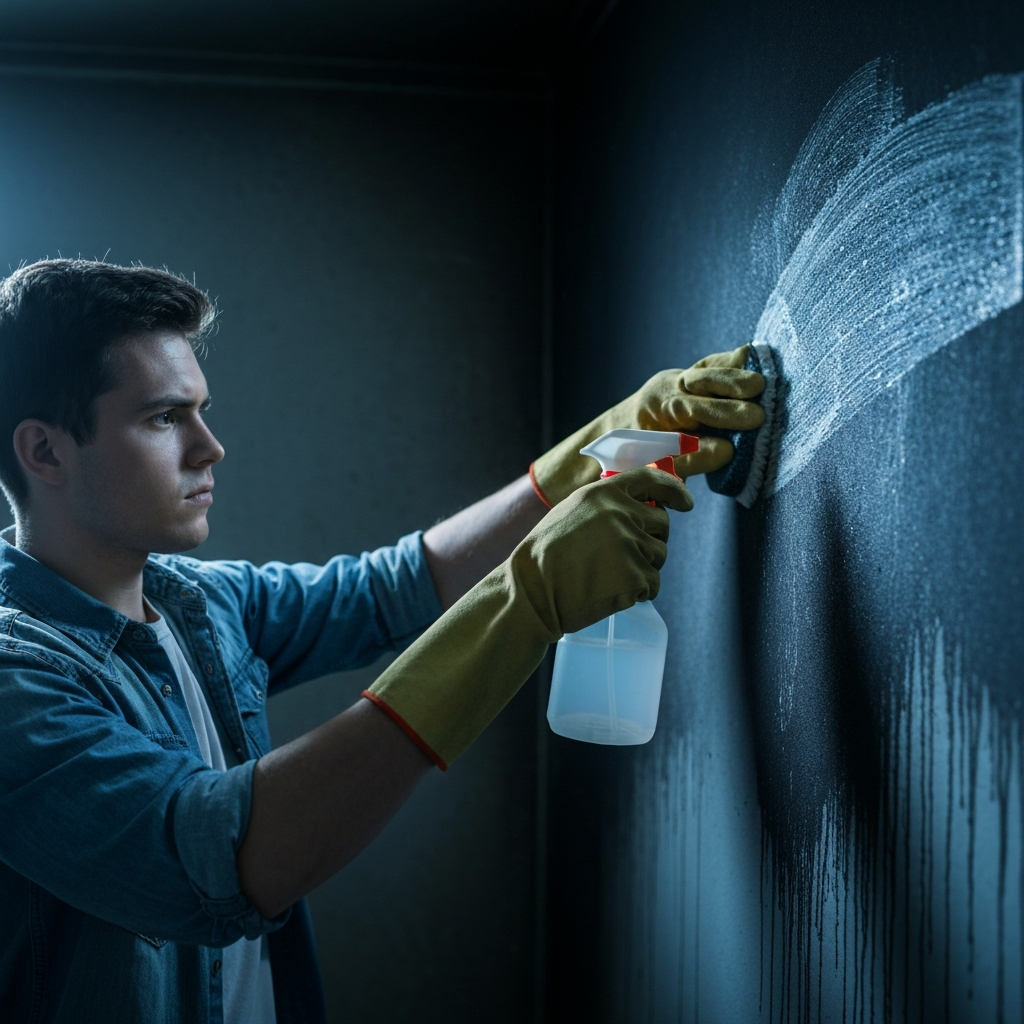
When you try a DIY soot cleanup, your best intentions can unfortunately lead to bigger problems. Soot particles are often greasy and acidic, and common household cleaners are not designed to handle them. Using a wet cloth or the wrong cleaning agent can smear the soot, pushing it deeper into surfaces.
This not only makes the stain harder to remove but can cause permanent damage. Instead of cleaning the surface, you may end up locking the soot into the material, creating discoloration and corrosion that professionals can’t reverse. Let’s look at some common mistakes and the lasting damage they can cause.
Common DIY Mistakes Tampa-St Petersburg Homeowners Make
Many homeowners in the Tampa-St Petersburg area understandably want to fix the damage quickly, but they often make a few key mistakes. One of the most frequent errors is using water-based household cleaners. When mixed with oily soot, water can create a sticky mess that bonds to surfaces, making stains permanent.
Another common pitfall is using a standard vacuum cleaner. These machines lack the fine filtration needed to trap soot particles. Instead, they often blow the tiny, toxic particles back into the air, spreading contamination throughout your home and into your HVAC system.
Here are some typical DIY mistakes:
- Using a wet sponge or cloth, which smears soot.
- Scrubbing aggressively, which embeds soot into porous materials.
- Not wearing protective gear, leading to direct contact and inhalation.
These errors not only worsen the damage but also increase health risks.
Permanent Home Damage Linked to Improper Cleaning
Yes, DIY soot cleanup can absolutely cause permanent damage to your home. The acidic nature of soot residue starts a process of corrosion almost immediately. If not neutralized correctly, it can etch glass, tarnish metal fixtures, and discolor plastics and appliances beyond repair.
Porous materials are especially vulnerable. When you try to scrub soot from drywall, wood, or upholstery, you can push the particles deep into the material’s pores. This results in permanent stains that can’t be removed. The moisture from improper cleaning methods can also get trapped, creating a risk for mold growth.
Ultimately, what seems like a simple cleaning task can lead to lasting cosmetic and structural issues. The damage from corrosion and deep-set stains can significantly lower your property’s value and lead to more expensive repairs down the line.
How Professionals Handle Soot Damage Cleanup in Florida
Professional fire damage restoration is a systematic process designed to safely and completely remove all traces of soot. The first step is always a thorough assessment to identify the type of soot and the extent of the damage. From there, technicians set up containment barriers to prevent cross-contamination to unaffected areas of your home.
This careful approach ensures that the cleanup is effective and doesn’t create new problems. Professionals use a combination of specialized tools and proven techniques to lift soot from surfaces without causing further damage. The goal is to restore your property to its pre-fire condition safely and efficiently.
Specialized Tools and Techniques for Safe Removal
Professionals use the right tools that are specifically designed for soot removal. Regular household equipment isn’t effective because it can’t handle the fine, oily nature of soot particles. For instance, instead of a standard vacuum, technicians use industrial-grade HEPA vacuums that capture 99.97% of airborne particles.
To manage air quality, professionals use negative air machines and air scrubbers. These devices filter contaminants from the air and prevent them from spreading. They also use dry-cleaning sponges that lift dry soot without smearing it. Safety precautions are also critical, which is why technicians always wear personal protective equipment (PPE), including respirators and gloves.
DIY Tool | Professional Tool | Why It’s Better |
|---|---|---|
Household Vacuum | HEPA Vacuum | Captures microscopic soot particles instead of spreading them. |
Wet Rag or Sponge | Dry-Cleaning Sponges & Chemical Agents | Lifts soot from surfaces without smearing or setting stains. |
Open Windows | Air Scrubbers & Negative Air Machines | Contains the area and filters contaminants from the air safely. |
Preventing Lingering Odors, Stains, and Future Issues
Yes, professional soot cleanup is far more effective at preventing lingering issues like odors and stains. Smoke odors can penetrate deep into walls, furniture, and even your HVAC system. Simply cleaning the surfaces you can see won’t eliminate this persistent odor.
Professionals use advanced deodorization techniques like thermal fogging or ozone treatments. These methods neutralize odor-causing molecules at their source, ensuring the smell doesn’t return weeks or months later. The thorough restoration process also addresses hidden moisture and contamination.
Properly cleaning soot and smoke damage helps with:
- Complete odor removal from all affected materials.
- Prevention of future problems like mold growth from trapped moisture.
This comprehensive approach is the only way to ensure your home is truly clean and safe after a fire.
Conclusion
In summary, while the temptation to tackle soot damage cleanup on your own may seem appealing, it’s crucial to recognize the complexities involved. DIY methods can often lead to more severe issues, including permanent damage and health hazards. Professional cleanup services are equipped with specialized tools and techniques that ensure thorough and safe removal, preventing lingering odors and future complications. Prioritizing expert help not only protects your home but also safeguards your well-being. If you’re facing soot damage challenges, don’t hesitate to reach out for assistance. Get a free consultation today to understand the best approach for your situation!
Frequently Asked Questions
What are the risks associated with attempting DIY soot damage cleanup?
Attempting DIY soot damage cleanup poses serious risks. You can cause permanent stains by using the wrong household cleaners, spread contamination throughout your home, and expose yourself to health issues. Direct contact and inhalation of soot particles can lead to respiratory problems and skin irritation, making professional help a safer choice.
How can professional soot damage cleanup differ from a DIY approach?
Professional soot cleanup involves a systematic restoration process that a DIY approach lacks. Professionals use the right tools like HEPA vacuums and air scrubbers, implement proper containment to prevent spreading soot, and use specialized techniques to safely remove residue without causing more damage to your property.
What are the most effective methods for cleaning soot from various surfaces?
Effective soot removal depends on the type of soot and surface. For light, dry soot, HEPA vacuums and a dry-cleaning sponge are used. Oily soot requires specialized chemical cleaners. It’s important to avoid using hot water, as it can cause soot to bond with surfaces, making cleaning much harder.
When should I consider hiring a professional for soot damage cleanup instead of doing it myself?
You should always consider hiring a fire damage restoration company for any significant soot damage. Professionals ensure the restoration is done correctly, which is often required by your insurance company. This gives you peace of mind that your home is safe and free from hidden contaminants.
What are the long-term effects of untreated soot damage on my property?
Untreated soot damage can lead to permanent damage. The acidic residue causes corrosion on metals and permanent stains on porous materials like drywall and wood. It can also infiltrate insulation and ductwork, leading to persistent odors and potentially creating conditions for mold growth over time.
Latest Posts

Contact Us
For Advice
Need help? Talk to an expert
(813) 261-1525