

Published: June 10, 2025 | Last Updated: June 10, 2025
By: 911 Restoration Tampa | IICRC Certified Fire & Smoke Restoration Technicians Serving Tampa, Tampa Bay & Hillsborough County For local help, see Tampa fire damage restoration.
911 Restoration Tampa is a licensed and insured restoration contractor serving Hillsborough County and the greater Tampa Bay area. Our technicians hold active IICRC certifications in Fire and Smoke Restoration (FSRT) and Water Damage Restoration (WRT).
Fire Damage Insurance Claim Florida Tips: A Complete Guide for Tampa Homeowners
A house fire is one of the most devastating events a homeowner can face. In a matter of minutes, the fire, smoke, and the water used to extinguish the flames can destroy decades of memories and thousands of dollars in property. If you are a Tampa Bay homeowner dealing with this right now, we want you to know two things: you are not alone, and the decisions you make in the next 24 to 72 hours will have a direct impact on the outcome of your fire damage insurance claim.
Florida’s homeowners insurance landscape is uniquely complicated. Insurers operating in this state are held to specific legal standards — and they don’t always follow them without being pushed. This guide is written specifically for Tampa and Hillsborough County homeowners who need clear, actionable fire damage insurance claim Florida tips backed by real restoration experience and Florida statute references. We cover everything from the first call you should make after the fire is out to what to do if your insurance company delays or denies your claim.
What Florida Homeowners Insurance Covers After Fire Damage
Most standard homeowners insurance policies in Florida provide fire coverage under what is called an HO-3 or “open perils” policy. This means the policy covers fire damage unless a specific cause is explicitly excluded. Here is what coverage typically includes:
Dwelling Coverage (Coverage A)
This pays to repair or rebuild the physical structure of your home — walls, roof, flooring, built-in appliances, and attached structures like a garage. In Tampa, where homes range from 1950s block construction in South Tampa to newer builds in Valrico and Wesley Chapel, the cost to rebuild varies significantly. Make sure your dwelling coverage limit reflects current local construction costs, not what you paid for the home years ago.
Other Structures Coverage (Coverage B)
Detached garages, fences, sheds, and carports are covered under this portion of the policy, typically at 10% of your dwelling limit.
Personal Property Coverage (Coverage C)
Furniture, clothing, electronics, and other personal belongings damaged or destroyed by the fire are covered here. Florida homeowners often underestimate how much their personal property is worth until they have to replace it all at once.
Additional Living Expenses (Coverage D / ALE)
If the fire makes your home uninhabitable, ALE coverage pays for temporary housing, meals, laundry, and other costs above what you normally spend. In Tampa’s competitive rental market, this coverage is critical. Keep every receipt. ALE typically continues until your home is repaired or a set time limit is reached — review your policy carefully for the cap.
Smoke and Soot Damage
Smoke damage and soot remediation are generally covered under the same dwelling and personal property sections. However, insurers sometimes try to categorize smoke odor remediation as a separate line item or minimize payouts for it. We will address this in more detail below.
Immediate Steps to Take After a House Fire in Tampa

The actions you take in the first hours after a fire can either protect your claim or inadvertently damage it. Follow these steps carefully:
1. Ensure Everyone Is Safe and the Scene Is Cleared
Do not re-enter a fire-damaged home until the Tampa Fire Rescue department has declared it safe. Tampa Fire Rescue (813-974-2060) operates 24/7 and will provide a fire incident report — a document you will need for your insurance claim.
2. Call Your Insurance Company Immediately
Notify your insurance company as soon as it is safe to do so. Most policies require “prompt” notification after a loss. Document the date, time, and name of the representative you speak with.
3. Call a Certified Restoration Company
Contact an IICRC-certified restoration company like 911 Restoration Tampa. A professional restoration crew can respond 24/7 to secure your property — boarding up windows, tarping the roof, and beginning emergency water extraction if firefighting water has saturated the structure. This mitigation work is typically covered under your insurance claim and prevents secondary damage that could complicate your coverage.
4. Do Not Throw Anything Away
Even charred, smoke-blackened items are part of your personal property inventory. Do not discard anything until your insurance adjuster and restoration contractor have documented every loss.
5. Contact the City of Tampa for Code Compliance Resources
If your home requires significant structural rebuilding, Tampa’s Construction Services Center (tampagov.net) governs permitting and code compliance. Post-fire repairs in Hillsborough County must meet current Florida Building Code standards, which may increase your rebuild cost beyond original estimates — a legitimate basis for a higher claim.
How to Document Fire, Smoke, and Water Damage for Your Claim
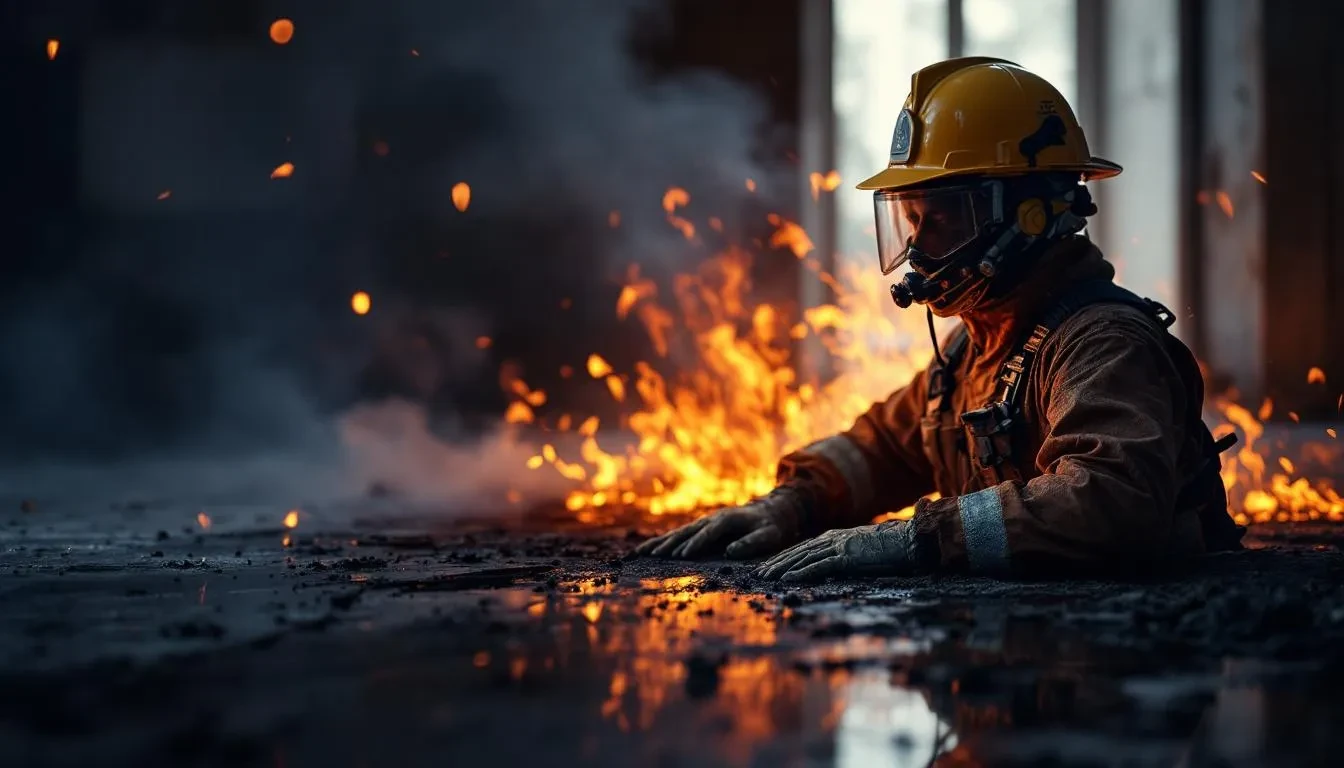
Documentation is the single most important factor in getting your fire damage claim paid fairly. Insurers require proof of loss, and the more thorough your documentation, the harder it is for an adjuster to minimize your payout.
Photograph and Video Everything
Before any cleanup begins, photograph every room from multiple angles. Capture close-up shots of smoke staining on walls and ceilings, soot deposits on surfaces, water damage from firefighting efforts, and all damaged personal property. Video walkthroughs are especially effective because they capture context that still photos miss.
Create a Personal Property Inventory Checklist
List every item damaged or destroyed. For each item, record:
- Description of the item
- Approximate age
- Original purchase price (check bank or credit card statements)
- Estimated replacement cost
- Any available receipts, warranty cards, or serial numbers
Use cloud storage for bank statements, purchase histories from Amazon or retailers, and any digital receipts. Insurance companies require a “proof of loss” form — this inventory becomes the backbone of that document.
Get a Professional Restoration Assessment
At 911 Restoration Tampa, our technicians produce detailed scope-of-work reports that itemize structural damage, smoke penetration depth, soot contamination, and water intrusion from firefighting. This professional documentation supports your claim and gives your adjuster a line-by-line accounting they cannot easily dismiss.
Smoke Odor and Soot: Separate Line Items Matter
Soot and smoke odor are not always treated the same as visible fire damage by insurers. Smoke particles penetrate HVAC systems, ductwork, insulation, and wall cavities — remediation for these hidden areas is legitimate and covered. Ask your restoration contractor to document these separately in their scope report so your adjuster cannot bundle them into a lower-dollar line item.
Understanding Florida’s Fire Damage Insurance Claim Process
Florida law sets specific timelines that insurance companies must follow when handling a property insurance claim. Under Florida Statute § 627.70131, an insurer must:
- Acknowledge receipt of your claim within 14 days
- Begin an investigation within 14 days of receiving your proof of loss
- Either pay or deny the claim within 90 days of receiving the completed proof of loss (with exceptions for circumstances beyond the insurer’s control)
These are legal obligations, not suggestions. If your insurer misses these windows, you may have grounds for a bad faith claim under Florida Statute § 624.155 (more on that below).
The Role of the Insurance Adjuster
After you file your claim, the insurance company will send their own adjuster to inspect your property. This adjuster works for the insurance company — not for you. Their job is to assess damage and often to minimize the payout. Be polite and cooperative, but do not let the adjuster rush the inspection or discourage you from getting independent estimates.
Submit a Complete Proof of Loss
Florida law and your policy likely require you to submit a sworn proof of loss statement. This is a formal document listing all damages and their values. Submitting an incomplete or inaccurate proof of loss can delay or jeopardize your claim. Work with your restoration contractor and, if needed, a public adjuster to prepare this document accurately.
ACV vs. Replacement Cost: How Your Florida Payout Is Calculated
One of the most common sources of surprise and frustration for Florida homeowners is discovering how their insurance company calculates the payout. There are two main methods:
Actual Cash Value (ACV)
ACV pays you the depreciated value of damaged property — meaning the insurer deducts for age and wear. A 10-year-old roof might be worth only 40% of its original cost under ACV. For personal property, a five-year-old television would be paid out at its current used market value, not what a new one costs today.
Replacement Cost Value (RCV)
RCV policies pay what it actually costs to replace damaged items with new, comparable ones — no depreciation deducted. Most RCV policies work in two stages: the insurer pays ACV upfront, and then releases the “recoverable depreciation” after you complete repairs and submit receipts.
Tampa homeowners tip: Check your policy declarations page right now. If you have ACV coverage, talk to your agent about upgrading to RCV. The premium difference is often modest compared to the dramatically higher payout you receive after a loss.
How Water Damage From Firefighting Is Handled
This is a content gap most guides skip entirely. When Tampa Fire Rescue extinguishes a house fire, the water used can cause severe secondary damage — soaked flooring, saturated drywall, and subfloor rot. Under most homeowners policies, this water damage is covered under the same fire claim because it is a direct result of the insured peril (fire). However, insurers sometimes attempt to separate it as a distinct water damage event and apply different coverage limits or deductibles. A good restoration contractor and a knowledgeable adjuster or attorney will push back on this and keep it within the single fire damage claim where it legally belongs.
Common Mistakes That Get Florida Fire Damage Claims Denied
These errors can cost Tampa homeowners thousands of dollars or result in a full denial:
- Delaying notification: Most policies require “prompt” notice. Waiting weeks to report can be used as grounds for denial.
- Discarding damaged property before documentation: Once you throw something out, the insurer has no obligation to cover it.
- Allowing premature repairs: Making permanent repairs before the adjuster inspects can void coverage for those items. Emergency mitigation (tarping, boarding, water extraction) is fine and necessary — permanent repairs are not.
- Giving a recorded statement without preparation: Adjusters may ask for a recorded statement early in the process. You have the right to review your policy and consult with a professional before giving one.
- Accepting the first offer without review: Initial settlement offers from insurance companies in Florida are often lower than what the policy actually supports. Get a second opinion from a public adjuster or contractor before signing any release.
- Missing the proof of loss deadline: Some policies require a sworn proof of loss within 60 days of the loss. Missing this deadline can give the insurer a basis for denial.
How Long Do You Have to File a Fire Damage Claim in Florida?
Under Florida Statute § 627.70132, homeowners have one year from the date of the loss to file an initial claim, and 18 months to file a supplemental claim for additional damage discovered after the original claim is filed. These timelines changed significantly following 2023 Florida legislative reforms to the property insurance system.
Do not wait. The sooner you file, the sooner your insurer’s statutory clock starts ticking. Early documentation also protects you from arguments that damage was caused by delayed maintenance rather than the fire event.
When to Hire a Public Adjuster or Property Insurance Attorney
Public Adjuster vs. Insurance Company Adjuster
The insurance company adjuster represents the insurer. A public adjuster is a licensed professional who represents you, the homeowner, and is paid a percentage of your settlement (typically 10–20%). A public adjuster prepares your claim, negotiates with the insurer, and works to maximize your payout. For complex fire damage claims involving large structural losses or disputed coverage, a public adjuster is often worth every dollar of their fee.
Florida’s Bad Faith Insurance Law: Section 624.155
If your insurance company unreasonably denies your claim, delays payment without cause, or fails to investigate properly, you may have a bad faith claim under Florida Statute § 624.155. This law allows homeowners to file a “Civil Remedy Notice” with the Florida Department of Financial Services — giving the insurer 60 days to cure the violation before a lawsuit can be filed. Bad faith claims can result in extra-contractual damages above the policy limits.
In plain language: if your insurer is playing games with your fire damage claim, Florida law gives you a legal tool to hold them accountable. Consult a property insurance attorney if you believe your insurer is acting in bad faith.
When You Need an Attorney
Consider hiring a property insurance attorney if your claim is denied outright, the insurer significantly undervalues your loss, the adjuster is unresponsive or delays beyond the statutory timeframes, or you receive a reservation of rights letter. Many property insurance attorneys in Florida work on contingency, meaning you pay nothing unless they recover money for you.
How 911 Restoration of Tampa Supports Your Fire Damage Claim
At 911 Restoration Tampa, we have worked alongside Tampa Bay homeowners and their insurance companies on fire damage restoration projects throughout Hillsborough County — from single-room kitchen fires in Carrollwood to full-structure losses in Brandon and New Tampa. Here is exactly how we support your claim from day one:
24/7 Emergency Response
We respond to fire damage calls around the clock. Rapid mitigation — boarding up openings, tarping roofs, and extracting firefighting water — prevents secondary damage and protects your coverage by showing the insurer you took reasonable steps to limit the loss.
IICRC-Certified Technicians
Our team holds active certifications from the Institute of Inspection, Cleaning and Restoration Certification (IICRC) in Fire and Smoke Restoration (FSRT) and Water Damage Restoration (WRT). These credentials matter to adjusters and demonstrate that our scope-of-work reports are produced by qualified professionals.
Detailed Documentation Packages
We provide insurance-ready documentation that includes photographic evidence, moisture mapping, air quality readings, and itemized scope reports. This professional documentation gives your adjuster — or your public adjuster — a thorough, defensible basis for your claim.
Direct Insurance Billing
We work directly with your insurance company and bill them directly, reducing the administrative burden on you during an already stressful time.
Coordination With Your Adjuster
Our project managers are experienced in communicating with insurance adjusters and know how to advocate for complete, fair scopes of work. We do not disappear after the emergency phase — we stay engaged through the full restoration process.
Frequently Asked Questions
How long do I have to file a fire damage insurance claim in Florida?
Under Florida Statute § 627.70132, you have one year from the date of the fire to file an initial claim. Supplemental claims for newly discovered damage must be filed within 18 months of the loss. Do not wait — file as soon as it is safe to do so to start the insurer’s statutory response clock and protect your documentation.
What does Florida homeowners insurance typically cover after a house fire?
Most standard Florida homeowners insurance policies cover: structural damage to your home (Coverage A), detached structures (Coverage B), personal property (Coverage C), and additional living expenses while your home is uninhabitable (Coverage D/ALE). Smoke and soot damage to structures and belongings is also covered. Water damage from firefighting efforts is generally covered under the same fire damage claim.
Does homeowners insurance in Florida cover smoke and soot damage?
Yes. Smoke damage and soot remediation are covered under your dwelling and personal property coverage on a standard Florida homeowners policy. This includes smoke odor removal from HVAC systems, ductwork, and wall cavities. Insurers sometimes attempt to undervalue smoke remediation costs — make sure your restoration company documents these separately in their scope report.
How long does an insurance company have to pay a fire damage claim in Florida?
Under Florida Statute § 627.70131, your insurer must acknowledge your claim within 14 days, begin investigation within 14 days of receiving your proof of loss, and pay or deny the claim within 90 days of receiving a completed proof of loss (with limited exceptions). Failure to meet these deadlines may constitute bad faith under Florida Statute § 624.155.
What should I do immediately after a fire in my Tampa home?
First, ensure everyone is safely out and do not re-enter until Tampa Fire Rescue clears the scene. Then: (1) Call your insurance company to report the loss. (2) Contact a 24/7 certified restoration company like 911 Restoration Tampa for emergency mitigation. (3) Photograph all damage before any cleanup. (4) Obtain a fire incident report from Tampa Fire Rescue. (5) Save all receipts for temporary housing and emergency expenses for your ALE claim.
Can my Florida fire damage claim be denied, and what can I do about it?
Yes, claims can be denied — but a denial is not the end of the road. You can request a written explanation, dispute the denial with a public adjuster’s independent assessment, file a Civil Remedy Notice under Florida Statute § 624.155 if the denial appears to be in bad faith, and consult a property insurance attorney. Many denials are successfully overturned with proper documentation and legal advocacy.
Do I need a public adjuster for my Florida fire damage claim?
Not always, but for large or complex fire losses, a licensed public adjuster can significantly increase your settlement by preparing a thorough claim, negotiating with the insurer’s adjuster, and ensuring nothing is overlooked. They charge a percentage of the settlement (typically 10–20%). For smaller claims, a professional restoration company’s documentation may be sufficient. The key is never accepting the insurance company adjuster’s assessment as final without independent review.
Does fire damage insurance also cover water damage from firefighting?
Yes. Water damage caused by firefighting efforts — from hoses, sprinkler systems, or suppression chemicals — is considered a direct result of the fire and is covered under your fire damage insurance claim. Be aware that some insurers may try to treat this as a separate water damage event. Work with your restoration contractor to document it as fire-related damage and keep it within your single fire claim.
Ready to Get Your Home — and Your Claim — Back on Track?
Dealing with a fire loss in Tampa is overwhelming. Between the emotional toll, the temporary displacement, and the complicated insurance claim process, it is easy to feel lost. That is why 911 Restoration Tampa is here — not just to restore your property, but to walk alongside you through every step of this process.
Our IICRC-certified technicians respond 24 hours a day, 7 days a week across Tampa Bay and Hillsborough County. We provide emergency mitigation, professional damage documentation, and direct insurance billing — so you can focus on your family while we handle the restoration and help support your claim.
Call 911 Restoration Tampa now at (813) 209-3237 for immediate emergency response. We are available 24/7 and typically arrive within 45 minutes anywhere in the Tampa Bay area.
You have one year to file your fire damage claim under Florida law — but every day you wait increases the risk of additional damage, lost evidence, and a smaller payout. Call today. See our Florida insurance claims help page.