

28
Aug
Can You Stay in Your Home After Water Damage? Expert Tips
Can You Stay Home After Water Damage? What to Know
- Staying in your home after water damage can pose significant health risks and property dangers.
- The decision to stay or go depends on the severity, from minor issues to severe structural damage.
- Mold growth can begin within 24-48 hours, impacting air quality and causing health problems.
- Water damage can compromise your home’s structural integrity and create serious electrical hazards.
- Professional water damage restoration is crucial for assessing the damage and ensuring a safe restoration process.
- Always prioritize your safety; it is often best to relocate during extensive cleanup.
Introduction
Discovering water damage in your home, whether from a burst pipe or a major storm, is a stressful experience. It immediately raises questions about the safety of your property and family. A primary concern for any homeowner is whether it’s safe to remain in the house. The answer isn’t always simple. This guide will help you understand the risks, assess the situation, and make an informed decision about staying or leaving your home to protect yourself from potential property damage and health issues. For local help, see water damage cleanup.
Assessing Water Damage in Your Tampa-St Petersburg Home
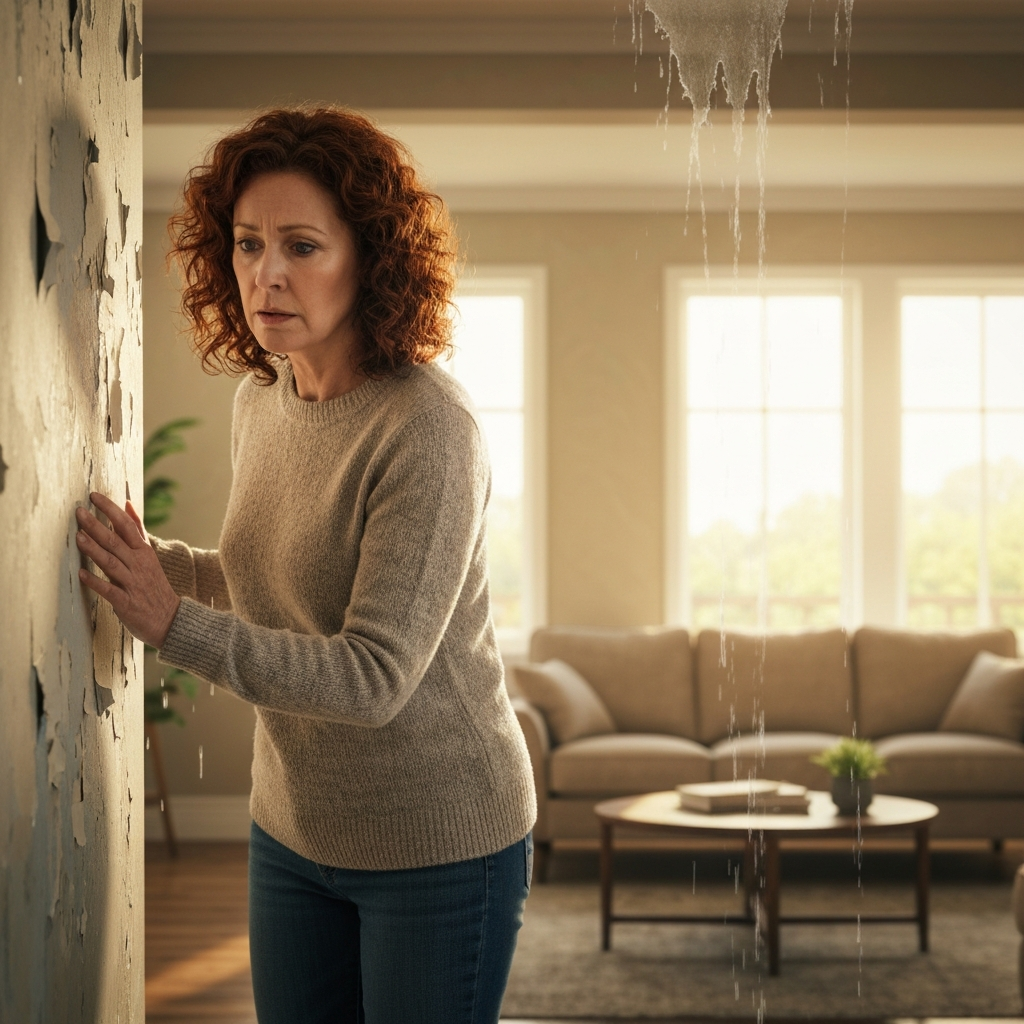
The first step after discovering water in your home is to figure out how bad the situation is. Is it safe to stay in your home after water damage has occurred? The answer truly depends on the extent of the damage. A small leak contained in one room is very different from widespread flooding that affects your home’s structure.
Understanding the severity helps you know what to do next. While you can spot obvious issues, some potential hazards are hidden. Getting help from professional restoration services is the best way to understand the full scope of the problem and avoid unexpected health problems or structural issues down the line.
Recognizing Signs of Minor, Moderate, and Severe Water Damage
Not all water damage is a crisis that requires you to leave immediately. It’s helpful to know the difference between minor issues and severe problems. Minor damage, like a small leak you catch quickly, can often be managed while you stay home. However, moderate to severe damage poses more serious health and safety risks.
When water soaks into building materials like drywall and insulation, it can threaten your home’s structural integrity and become a breeding ground for mold. The restoration process becomes more complex as the severity increases.
To help you identify the level of damage you’re facing, here is a simple breakdown:
Damage Level | Signs to Look For |
|---|---|
Minor | Small wet spots, a single dripping pipe, or a small spill that is addressed quickly. Contained to one area. |
Moderate | Saturated carpets, water-damaged walls in one or two rooms, or water that has been sitting for over a day. |
Severe | Widespread flooding, sagging ceilings, compromised electrical systems, or contaminated water from sewage. |
Professional Evaluation vs. DIY Inspection
You might be tempted to assess the water damage yourself, but a DIY inspection can miss critical problems. Professionals have the right training and special tools, like moisture meters, to find hidden water pockets within walls or under floors. These hidden dangers can lead to mold growth and structural issues if they are not addressed.
Should you sleep in your house if it has water damage? A professional water damage inspection can give you a clear answer. An expert can accurately determine the extent of the damage and identify whether the water is contaminated, making your home unsafe.
Hiring a professional for an evaluation provides:
- An accurate assessment of the damage severity.
- Identification of hidden moisture.
- Detection of harmful bacteria or contaminants.
- A clear plan for professional remediation.
Risks of Staying in a Water-Damaged House

Staying in a house with water damage can be dangerous. The risks involved with staying in a water-damaged home fall into two main categories: health risks and structural dangers. Poor air quality from mold growth and contaminants in the water can lead to significant health issues.
At the same time, the water itself can weaken your home’s structure. This can cause structural damage that makes your home unsafe. Understanding these specific risks will help you see why it’s so important to handle water damage correctly and quickly.
Health Concerns from Mold and Contaminants
One of the biggest worries after water damage is mold growth. Damp environments are the perfect breeding ground for mold, which can start growing in as little as 24 hours. As it grows, it releases mold spores into the air, which can severely impact your indoor air quality and health.
Inhaling these spores can trigger a range of health risks, especially for people with allergies, asthma, or weakened immune systems. If the water damage is from a flood or sewage backup, the water is likely contaminated with harmful bacteria and viruses that can cause serious infections and illnesses.
Potential health problems from mold and contaminants include:
- Respiratory issues and asthma attacks
- Allergic reactions like sneezing and rashes
- Skin irritation
- Headaches and fatigue
Structural Hazards and Electrical Dangers
Beyond health concerns, water damage creates serious physical dangers in your home. Water can soak into wood, drywall, and insulation, weakening these materials and compromising your home’s structural integrity. This can lead to structural problems that range from sagging ceilings to a risk of collapse in severe cases.
Another major threat involves electrical hazards. Water and electricity are a deadly combination. If water reaches electrical outlets, wiring, or appliances in damp places, it creates a high risk of electrical shocks or even fires. You should never touch electrical devices if you are standing in water.
Be aware of these key structural and electrical risks:
- Weakened floors, walls, and ceilings
- Risk of electrocution from wet outlets or wiring
- Potential for short circuits that can start fires
Making the Stay-or-Go Decision After Water Damage
Deciding whether to stay in your home or find a temporary place to live can be tough. The choice depends entirely on the level of damage and the potential risks to your health and safety. If the damage is minimal and contained, staying might be an option.
However, experts often recommend leaving your home during water damage restoration, especially if the damage is moderate to severe. Extensive professional remediation creates noise and disruption, and it can expose you to dust, mold spores, and cleaning agents. Prioritizing your safety above all else is the best approach.
Expert Guidelines on When It’s Safe to Remain at Home
In some situations, it may be safe to remain in your home after minor water damage. This is usually possible when the affected area is small, isolated, and does not impact your main living spaces. For example, if a leak is contained to a laundry room or basement that you can seal off, staying put could be a viable option.
If you do stay, it’s critical to ensure the unaffected areas have good indoor air quality and are completely separate from the restoration work. You should avoid the damaged area entirely and let professionals handle the cleanup. Using protective gear is essential if you must enter the space for any reason.
It may be safe to remain if:
- The water damage is minor and contained to a small, non-essential area.
- The water source was clean water (not from sewage or floodwater).
- The unaffected areas of your home are safe and have no signs of mold or structural issues.
Clear Warning Signs You Should Temporarily Relocate
Sometimes, the signs that you need to leave are unmistakable. Your safety and health must come first, and certain conditions make staying in your home too dangerous. If you see any of these warning signs, it is absolutely necessary to relocate during the water damage cleanup.
Severe structural damage, such as a sagging ceiling or warped floors, indicates that your home’s stability is compromised. Likewise, if your electrical systems have been affected or if the water is from a contaminated source like a sewer backup, the health problems you could face are too great.
You should relocate immediately if you notice:
- Widespread flooding affecting multiple rooms.
- The presence of contaminated “black water” from sewage.
- Visible, extensive mold growth or strong musty odors.
- Any signs of structural damage or compromised electrical systems.
Conclusion
In conclusion, navigating the aftermath of water damage can be challenging and requires careful consideration. While minor issues may allow you to remain in your home, it’s essential to recognize when conditions pose health or safety risks. Always prioritize your well-being by assessing signs of mold, structural instability, and electrical hazards. If you’re ever in doubt, consulting with professionals can provide peace of mind and ensure appropriate actions are taken. By staying informed and following expert recommendations, you can make the best decision for yourself and your loved ones. For personalized guidance, be sure to book a free consultation with our experts today.
Frequently Asked Questions
Can I stay in my house during water damage restoration?
It is generally not recommended to stay in your home during the water damage restoration process. Depending on the extent of the damage, there can be significant health risks and safety issues. Professionals often use loud equipment and the process can release dust and mold spores into the air.
What precautions should I take if I stay home after water damage?
If you must stay home after minor water damage, seal off the affected area from the rest of the house. Ensure good ventilation in living spaces and avoid any contact with contaminated water. Consider using personal protective equipment if you need to be near the area to minimize health risks from mold growth.
How long does it usually take before it’s safe to return home after water damage in Florida?
The timeline to return home after water damage varies greatly. It depends on the source of the water, the extent of the damage, and the required restoration work. Minor issues might take a few days, while severe damage from flood water could take weeks, especially with complex insurance claims.
Need professional water damage restoration in Tampa? Contact 911 Restoration of Tampa Bay for 24/7 emergency water damage restoration services. Call (813) 261-1525 for immediate help.
Latest Posts
Contact Us
For Advice
Need help? Talk to an expert
(813) 261-1525