


28
Aug
Essential Tips for Water Damage Insurance Claim Florida
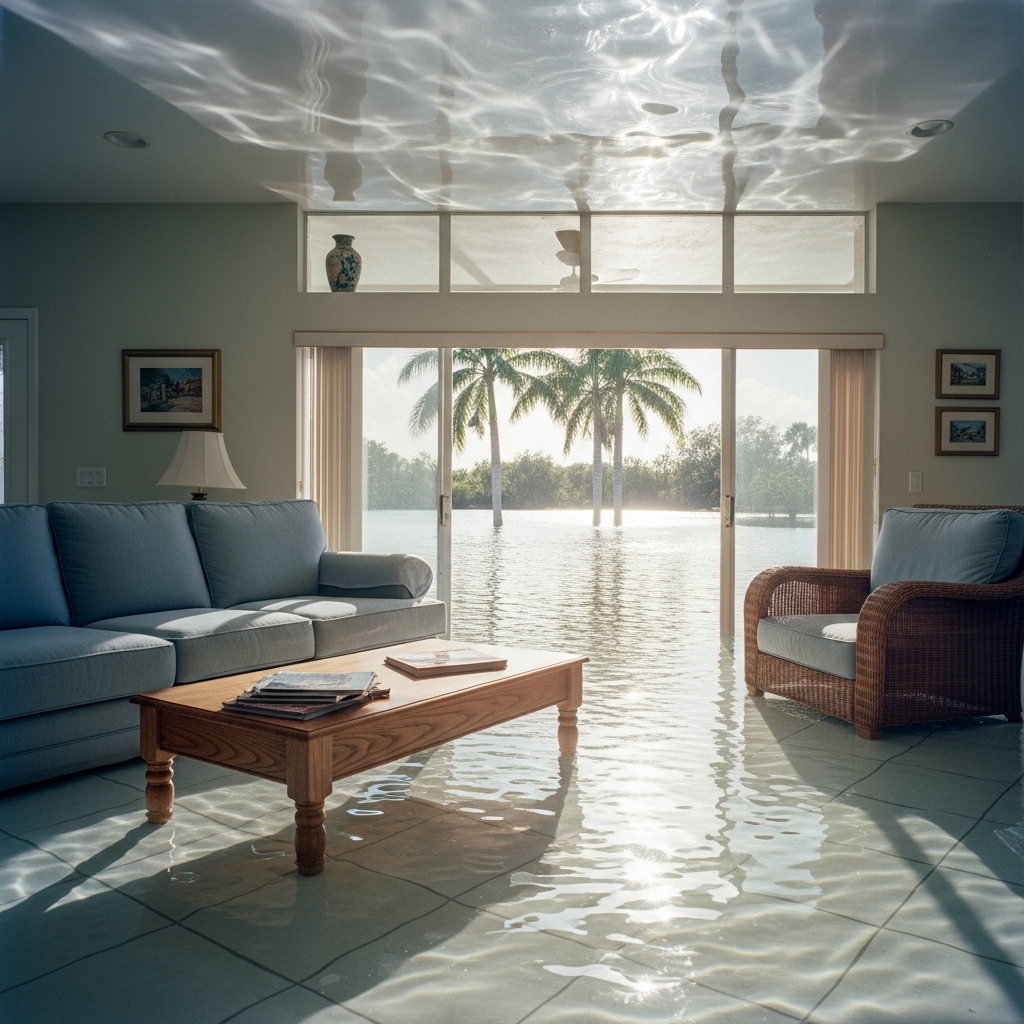
Florida Water Damage Insurance Claims: Essential Tips
- Act fast if you see water damage. Stop where it’s coming from, keep your things safe, and take photos and videos before you call your insurance company.
- Your homeowners insurance might help with sudden and accidental water damage. But it does not cover ongoing leaks or flood damage from surface water.
- Save all your records. Take photos and videos, keep receipts for any emergency repairs, and hold on to quotes from any contractors. This helps with your property damage insurance claim.
- Insurance companies in Florida are now more strict because of their own crisis. The claims process can be harder and there may be more disputes, so get ready for a tough time.
- Many people make mistakes like throwing away damaged property, fixing things for good before they need to, or not knowing what their policy covers and does not cover.
- If your insurance claim is denied or not paid enough, you can get someone else to look at it or ask a lawyer to help you get the money you should get.
Introduction
Dealing with water damage in your Florida home may seem hard, but knowing your insurance claim options can make this time easier. It’s important to know what steps to take to keep your property and your money safe. This guide gives you tips you need to handle your water damage insurance claim well. You will see what you should do first, how to show your property damage the right way, and how to work with your insurance company so you can feel calm and sure things will be okay.
Understanding Water Damage Insurance Claims in Florida
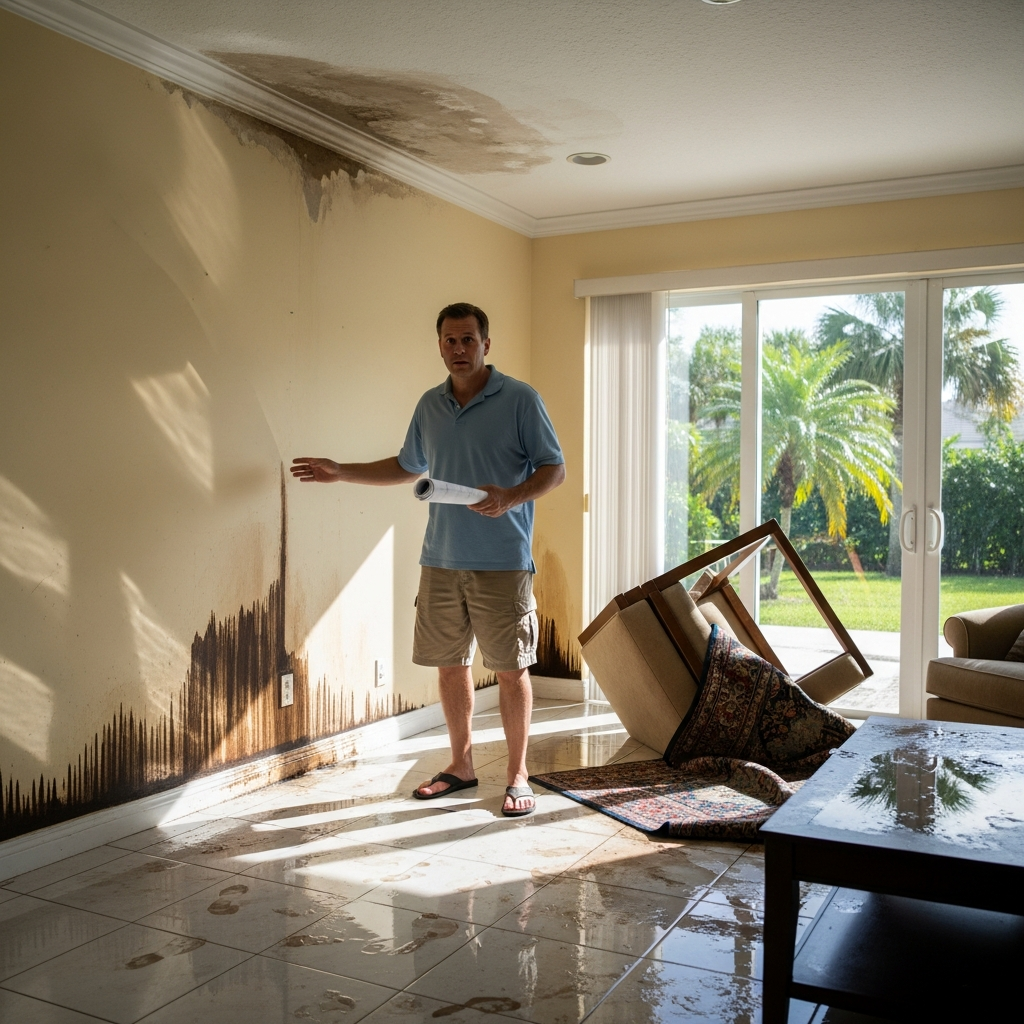
In Florida, starting a water damage insurance claim means you first need to check if what caused the damage is covered by your homeowners insurance. Most insurance policies pay for damage that happens suddenly and by accident, like a burst pipe. But, because of the state’s weather, insurance companies are clear about what is covered and what is not.
If you are a property owner, you need to know the highlights of your own policy. You should understand your coverage, how to file an insurance claim, and what your insurance policies do not cover. This will make things easier for you and help you avoid any shocks. These steps make it better for you to handle your water damage insurance claim from start to finish.
What Types of Water Damage Are Covered by Florida Home Insurance Policies
Most Florida home insurance policies take care of sudden and unexpected water damage. This means if something like water damage happens fast and without warning, the insurance may pay for it. For example, if you get water damage from a burst pipe, a broken washing machine, or a sudden leak in your HVAC system, these are usually covered losses.
The main thing to know is that the water must come from inside your home, and the problem should happen all at once. If your water heater bursts or your toilet overflows, these count as accidental water damage. But if there’s a slow leak that you did not fix right away, your insurance will not cover that. Make sure to check your own policy, since not every insurance plan uses the same words.
Your policy will either name the exact problems it will pay for, or follow an “open-peril” setup that says what is and is not covered. To be sure what your home insurance covers, look at the declaration page of your insurance policies. Knowing this helps you take the right steps fast when you find any signs of water damage.
Common Exclusions and Limits in Florida Water Damage Coverage
While homeowners insurance covers many types of water damage, there are important policy exclusions. The most significant exclusion is flood damage, which is caused by rising surface water from outside your home. For this, you need a separate flood insurance policy. Another common exclusion is gradual damage that occurs over time.
This can include slow leaks from pipes, seepage through your foundation, or damage from a lack of maintenance. Insurers expect you to maintain your home, so they will likely deny an insurance claim for issues that could have been prevented. Mold is also often limited or excluded unless it’s the direct result of a covered water event.
Make sure you review your policy documents to understand your specific limits and exclusions. Here’s a simple breakdown of what is usually covered versus what is not.
Damage Type | Covered/Excluded |
|---|---|
Sudden Pipe Burst | Typically Covered |
Flood from Storm Surge | Excluded (Requires Flood Insurance) |
Appliance Malfunction | Typically Covered |
Slow, Gradual Leak | Typically Excluded |
Roof Leak from Storm | Typically Covered |
Ground Seepage | Excluded |
How the Florida Homeowners Insurance Crisis Impacts Water Damage Claims
Florida homeowners are having a hard time with insurance right now. Because of strong storms and higher costs for repairs, insurance companies are getting strict with the claims process. It is now harder for property owners to get their water damage insurance claim approved and to get all their costs paid.
Because of this, Florida insurers look at insurance claims more closely. They may turn down claims because of policy exclusions, like if your place had gradual damage or was not taken care of. You may also have to wait longer for someone to check your home, and the offer you get may not cover all the work you need.
This problem means you have to be careful. Keep good records of any damage and know your rights with state law. If you do this, you can improve your chances of having your insurance claim go well in the end.
Immediate Steps After Discovering Water Damage in Your Tampa-St Petersburg (Sarasota) Home
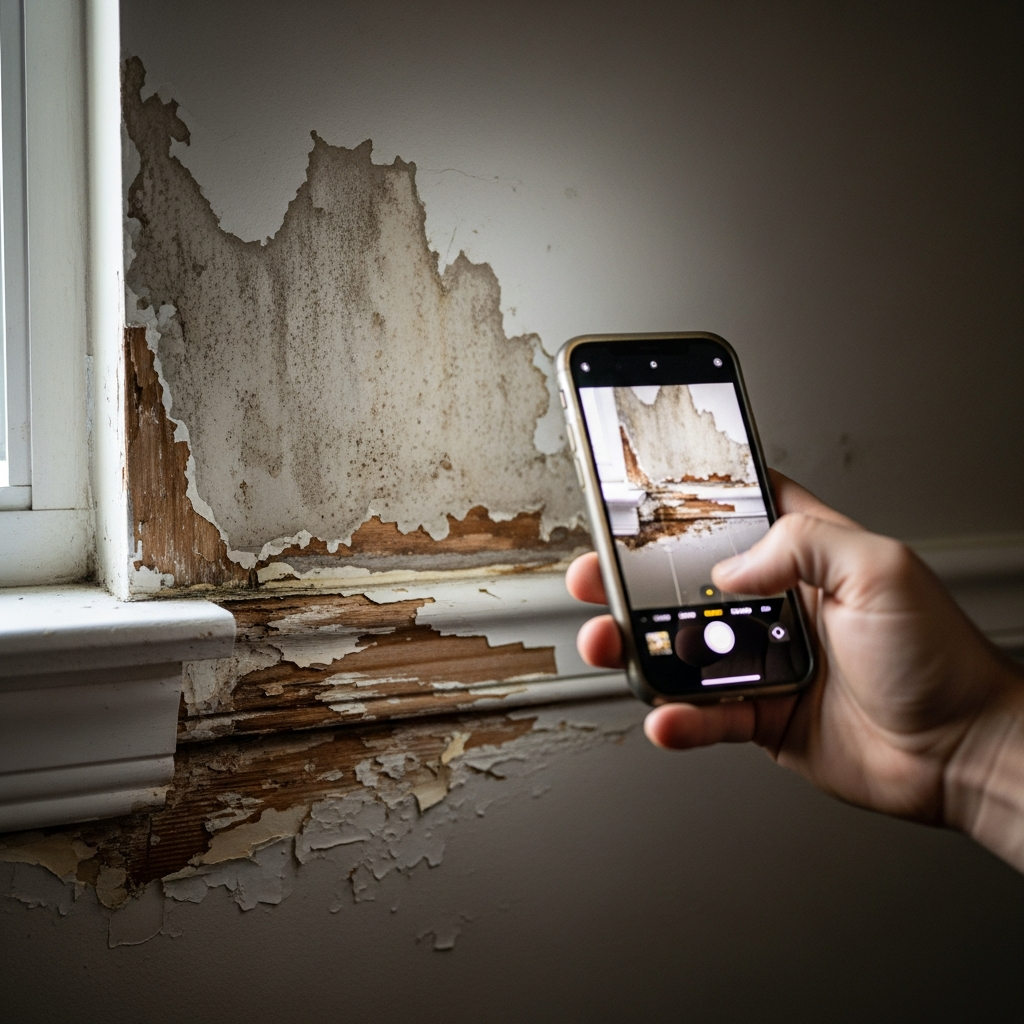
When you see water damage in your home, you need to act fast. This stops the problem from getting worse. Make sure everyone is safe. Also, do what you can to stop more property damage. These first steps help when you file a damage insurance claim.
If you act right away and handle things the right way, your homeowners insurance provider will see that you tried to limit the loss. Turn off the water source if you can. Take pictures or video of the scene. Your actions in the first hours are key when it comes to your insurance claim. This guide will help you know what to do at the start.
How to Safely Manage Water Damage Before the Adjuster Arrives
Your safety has to come first. If there is a lot of water damage or it is close to an electrical outlet, turn off the power in that part of your house. Do not walk through standing water if you do not have to, because the water could be dirty or cover up dangers. If you can find where the water is coming from, shut it off so more does not go into your home.
Once you know the area is safe, you can start to deal with the water damage. Take your valuable things and any undamaged property and put them in a dry and safe spot. If it is okay to be in the area, start getting rid of the standing water. You can use mops, buckets, or a wet-dry vacuum. Taking out this water first can help stop bigger problems with your home.
Here are a few safe things to do:
- Shut off the main water valve if you cannot find the exact water source.
- Use photos and videos to have proof of everything before you start to clean or move things.
- Do not do big repairs or toss out any damaged property until your homeowners insurance adjuster looks at it.
- If you have a lot of damage, get a professional water damage company to help with water extraction.
Why Timely Action Matters for Successful Insurance Claims
Insurance companies expect you to move fast when you see water damage. Most plans say you have to tell them about a claim right away and do what you can to stop any further damage. Acting on time shows the insurance company that you are a good homeowner. It also helps stop the problem from getting worse.
If you wait to report the problem, the insurance company may say you let the damage get bigger. For example, if you wait to tell them about a leak, you might end up with mold. The company could say mold is not covered because you could have stopped it with quick action. This could put your whole insurance claim at risk.
Florida law says you need to tell your insurance company about the water damage right away. This way, they have the chance to check out the loss. If you report it right away and begin repairs, you are doing what your plan asks. This will also help you make a stronger insurance claim.
Preventing Further Damage and Protecting Your Property
If you own a home, your insurance policy says you need to take care of the place after any water problem to stop more damage. This is called your “duty to mitigate.” It’s a big part of the claims process for an insurance claim. If you do this, you not only help your own property but you also make your insurance claim stronger.
Small things you do can really help. Let’s say a storm ruins your roof and water gets inside. You should cover the spot with a tarp. This easy fix will keep more rain out and stop more problems before the insurance adjuster comes.
Here are a few things you can do right away to control further damage:
- Shut off the water source as soon as you can.
- Move your things like furniture, electronics, and anything valuable to a dry spot.
- Put buckets under leaks so water does not spill all over.
- Board up any broken windows or doors so nothing else gets inside.
Taking these reasonable steps will help keep your home safe and help you through the claims process.
Essential Documentation for Your Water Damage Insurance Claim
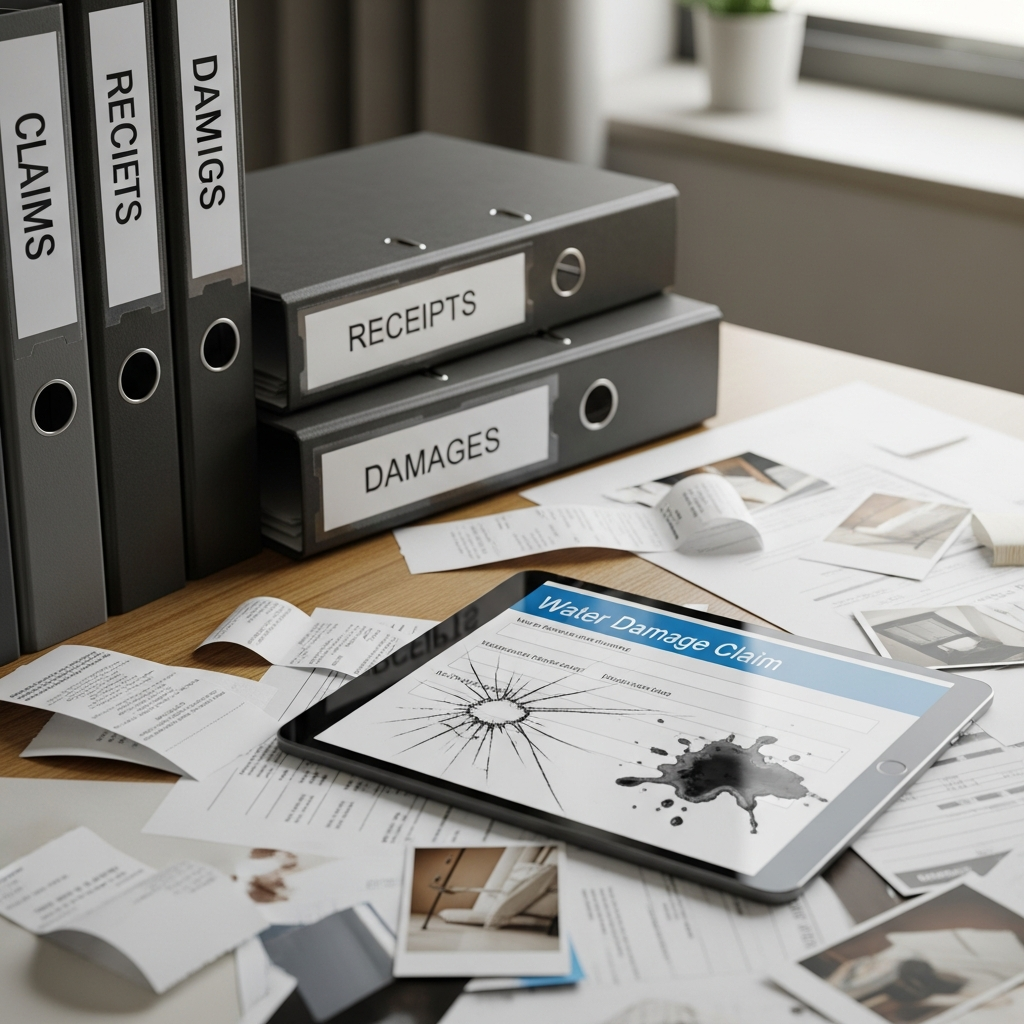
Good records are key if you want your water damage insurance claim to end well. Your insurance provider will look at all the proof you give when they check the property damage. It will also be used to decide what your settlement should be. If you do not have the right paperwork, your claim could get denied, or you could get paid less than you should.
You need to keep things like photos, videos, bills, and contractor estimates. Each piece of paper can help you with your case. When you keep everything in order, the claims process will be less hard for you. It will also make it easy to answer any questions your insurance provider asks. The next sections will walk you through what documents you need to collect for your water damage insurance claim.
Required Photos and Evidence for Florida Water Damage Claims
When you file a water damage claim, it helps a lot to have clear photos and videos. The insurance company will want to see what it looked like right when you found the water damage. Be sure to take pictures before you clean up or move any items. Get some wide shots of the rooms that were affected. Take close-up photos of things like furniture and other damaged items, too.
Take photos of all damaged items. This means you should take pictures of the furniture, electronics, and your other things that got wet. If you can tell where the water came from, like a burst pipe or a leaky appliance, make sure to get a picture of that as well. If you hire someone to help fix the problem, ask them to do moisture readings and keep a record of those.
Here’s what you should look for when getting evidence for your water damage claim:
- Take photos showing any standing water and any stains left by water on the walls, ceilings, and floors.
- Record a video of the whole area, saying out loud what you see and the time you found the damage.
- Take photos of where the water came from, like the burst pipe or leaking appliance.
- Keep all the things that were damaged until the insurance company makes a decision about your claim.
Gathering Receipts, Contractor Quotes, and Proof of Loss
Beyond taking photos, you will need financial proof to support your insurance claim for water damage. You have to collect all the receipts for money you spend right away. This means keeping receipts for things like emergency repairs or for having water extracted. These papers tell your insurance company what you already paid to fix the problem.
Next, get written price quotes from a few trusted contractors for the full cost to fix the damaged property. It is a good idea to get more than one estimate. This will give you and your insurer a clear idea of the true cost for the work needed. The insurance company will use the quotes to figure out how much they should pay you.
You also need to put together a “proof of loss” list. This is a detailed record of every item the water damaged. It should include the name of the item, how old it is, and the cost to replace it.
- Keep receipts for all emergency services, such as a plumber or a water damage restoration company.
- Include costs for any extra housing if your place is unsafe to live in (these are your additional living expenses).
- Make a full list of all your damaged personal property with what you think those things are worth.
Tips for Organizing Documents to Support Your Claim
Staying organized can help lower your stress during an insurance claim. When you need to collect a lot of paperwork, it is good to have a clear plan. This way, you will not forget anything important. If you keep your papers in order, it is easier to talk with your homeowners insurance provider during the claim process.
Set up a special folder just for your insurance claim files. You may want to have a folder to keep your paper receipts in one place. You can also keep a digital folder on your computer for things like photos, emails, and scans of your papers. When you do this, you can find everything fast when you need it.
Here are some quick ways to organize your paperwork:
- Use a checklist so you can keep track of each paper you need.
- Create digital folders for each group, like “Photos,” “Receipts,” and “Communications.”
- Write down every time you talk to your insurance provider. Put down the date, the time, and who you spoke to.
- Make copies of anything you send to your insurer.
This simple plan will help you stay on top of your insurance claim and work well with your homeowners insurance provider.
Filing a Water Damage Insurance Claim in Florida
After you have taken fast action to protect your place and collected the first papers, it is the right time to begin the real filing process. Filing a water damage claim the right way is key for things to go well. You will have to call your insurance provider and share detail about the damage.
If you follow what your insurance provider asks, you can stop delays and stop confusion. Being ready with the information you need, and knowing what will happen next, makes it all much easier. The next parts give a step-by-step way to report your water damage claim and tell you what mistakes to look out for and not make.
Step-by-Step Guide to Reporting Water Damage
Reporting a water damage claim is not hard if you follow some steps. First, check your homeowners insurance policy. You should know what is covered and what your deductible will be. This will help you figure out if you want to go ahead with a claim or not. If you do, reach out to your insurance agent or call the claims department at your insurance provider.
When you call, you need to give some important details. Make sure you have your policy number. Tell them what happened with the water damage. Once you finish this first call, you will get a claim number and someone called an adjuster will be assigned to you.
Here is a short checklist to help you report a water damage claim:
- Check your insurance policy and your declarations page.
- Call your insurance provider to start the claim process.
- Give your policy number and explain what kind of damage happened.
- Write down your claim number and the contact info for your adjuster.
- Send a written notice to your insurer by email or certified mail.
Information to Provide When Contacting Your Insurer
When you get in touch with your insurance provider to file an insurance claim, it helps to have the right information ready. This can make things go faster. The insurance company will ask for some details so they can start looking into the water damage to your property. Have all this information set before you call.
Stick with the facts. Do not guess about what happened or how big the damage is. Just say what you see and when you found it out. It is important to answer their questions in the right way and be honest. If you are not, you might have problems with your insurance claim down the road.
Here is some of the main information your insurance provider will want to know:
- Your name, address, and policy number.
- The date and time when you found the water damage.
- A simple and clear story of what happened and the places with damaged property.
- The quick steps you took to stop further damage.
Common Mistakes to Avoid During the Claim Process
Going through the claim process can be hard. Sometimes, people make mistakes that can slow things down, lower their payment, or even lead to a denied claim. One big mistake is to throw away damaged items before the insurance adjuster looks at them. These damaged items show what happened, and insurance companies need to see them to figure out your loss.
Another thing people do wrong is to start permanent fixes on their house or property before the insurance company says it’s okay. While you should stop any further damage, making big changes too soon can give the insurance company a reason to say no to your payment for that work. Also, watch out for giving a recorded statement before you are ready. What you say can be used against you later.
To get your claim to go well, try to stay away from these common mistakes:
- Don’t throw out any damaged property.
- Don’t start permanent repairs without getting approval first.
- Don’t wait too long to tell your insurance company about the claim.
- Don’t take their first offer if it looks too low.
- Don’t sign papers you do not understand.
Navigating Claim Assessment and Negotiations
Once you file your water damage claim, the next step in the claim process starts. Here, someone from the insurance companies, called an adjuster, will check your damage. Their job is to say how bad the water damage is and how much it will cost to fix it. This is a good time to have your documents ready, as they will be very helpful now.
It is good to know what the adjuster does and how to talk with him or her. This can help make the claim process go smoother for you. But sometimes, you may not agree with what the insurance companies say or what they want to pay for the water damage. If this happens, you could be in a dispute.
Here, you will find out what you need to do in these times, what you should expect during this stage, and the steps you can take if any problems show up.
Role of the Insurance Adjuster in Florida Water Damage Claims
The insurance adjuster is the main person you will deal with for your water damage claim. The adjuster’s job is to check what happened, look at the damage, and then decide how much the insurance company should pay you. The adjuster works for the insurance company. This means their main aim is to settle your claim based on your policy and the company’s rules.
When the adjuster comes to see your property, they will look at everything, take photos, and ask you questions about the water damage. You should be there when they visit. This way, you can show all the damage you found and give your own records, like your photos and repair estimates.
What you say and do with the adjuster can shape the outcome of your claim. Be honest and share clear information, but also take a stand for yourself. Give the adjuster the estimates you got from other people who fix this type of damage. This can help make sure they write a report that covers everything for your water damage claim.
Handling Disputes and Underpaid Claims
It is not rare for property owners to have problems with insurance companies about their claims. Sometimes, you may get a settlement offer that is too low to fix your place. Other times, your claim may not be accepted at all. If this is the case, you have the right to question the decision.
To begin, you should ask your insurance company for a full written reason about their choice. If you do not agree with what they said, you can give your own proof. You could use estimates from other workers for property damage to show your side. If the insurance companies do not want to talk about it, or if you feel they are not being fair, they may be acting in bad faith.
If you get an underpaid or denied claim, you can take these steps:
- Ask for a formal review of your claim with a boss or someone in charge at the insurance company.
- Think about using the appraisal process in your policy to settle amounts for the property damage.
- Talk with a property damage lawyer to find out what legal steps you could take.
When to Seek Legal Help for Water Damage Claim Issues
Most water damage claims get resolved with no big problems. But there are times when you need more help. If your claim is complicated, gets denied for no good reason, or you get an offer that is a lot less than your real losses, it might be time to talk with a water damage lawyer. A lawyer can explain your rights and fight to get you the money you should get.
Some signs show you may need to look at your legal needs. These signs include if your insurance company keeps putting things off, gives no answer for a denied claim, or tries to make you take a small offer. A lawyer can help you deal with a big insurance company for your water damage claim.
It’s a good idea to ask for a free consultation or free case review if:
- Your water damage claim has been denied and you do not know why.
- The insurance company is saying you did something wrong, like fraud or misrepresentation.
- You think your insurer is acting in bad faith by not paying you right, waiting for no reason, or offering you less than what you should get.
Maximizing Your Settlement and Avoiding Future Issues
Getting a fair settlement for your water damage insurance claim is the main goal. To do this, make sure you have good notes and talk with your insurance company right from the start. Be clear about what is going on. If you know the process and what your rights are, you can talk with your insurer and get the money you should have. This last part gives you ways to get a higher payment and gives you tips so you do not have more water damage later.
Along with your current damage insurance claim, be smart and think about ways to stop problems before they start. Check your home often for new issues. Take care of your pipes and all your appliances. Look over your homeowners insurance policy every year to make sure you have enough coverage. Doing these things will help you stay safe from additional damage and extra claims.
Strategies to Ensure Fair Payment for Water Damage in Florida
To get a fair settlement, you need to stand up for yourself. Try to be organized, know what is going on, and keep at it during the water damage insurance claim process. If your insurance provider gives you a number that does not match your own notes or what your contractor said, speak up and ask questions.
Keep all your talks with your insurer in writing. This will help you have a clear record of what was said and agreed to. If you get a low offer, reply with your own offer and show your proof. Write down the costs from your contractor in detail. This can help you as you talk about a good number.
Here are some ways you can help yourself get a fair settlement:
- Share complete and neat paperwork right away.
- Get more than one written repair estimate from contractors you trust.
- Do not say yes to the first offer if it is too low. Try to talk and get a better offer.
- Keep on following up often about your insurance claim.
This is the way to make sure your water damage insurance claim gives you what you need.
Conclusion
To sum up, dealing with water damage insurance claims in Florida can be tough. But if you know what to do, you are in a good spot. Learn what types of water damage your insurance covers. Make sure you know which papers you need and take action right away when you see damage. Doing these things can help you get the best outcome for your claim.
It is important to report your water damage fast and keep all your proof in order. This way, you have a better chance to get a good settlement. It does not matter if it is your first claim or if you just want to know more for the future. These steps can help you stay ready and feel sure of yourself.
If you are not sure what to do or you need help, reach out and ask for it.
Frequently Asked Questions
Should I file a home insurance claim for minor water damage in Florida?
If you have small water damage, think about the cost to fix it and your homeowners insurance deductible. If the cost to repair is less than or about the same as your deductible, it is a good idea to pay it yourself. Making an insurance claim can lead to higher premiums. That is why you should save an insurance claim for when there is big property damage.
What qualifies as continuous seepage in a Florida water damage insurance claim?
Continuous seepage means slow leaks that go on for a long time. This kind of leak can cause damage over many weeks, months, or even years. For example, there could be a pipe dripping behind the wall, or water could be coming in through the foundation. Most homeowners insurance policy terms do not cover this kind of property damage, because it is not sudden or by accident. This is called gradual damage.
How can I maximize my water damage insurance settlement in Florida?
To make sure you get the most from your water damage insurance claim, you should give detailed proof. Take photos, save receipts, and get quotes from a few contractors. It is good to know what is in your insurance policy. When you talk to insurance companies, do not take the first low offer they give. If you are having trouble, you can get help from a pro. This will help you get a fair settlement for your losses.
Latest Posts
Contact Us
For Advice
Need help? Talk to an expert
(813) 261-1525