

28
Aug
Understanding Tampa Bay Flood Zones: A Complete Guide
Tampa Bay Flood Zones: A Complete Homeowner’s Guide
- Every property in the Tampa Bay area is in a flood zone, but the flood risk is not the same for all.
- There are different kinds of flood zones. Some are high-risk, like Zones A and V. Zone X shaded shows a moderate risk. Zone X unshaded means low risk.
- Your flood zone shows the insurance requirements that you have to follow. Flood insurance will be a must for homes with federally backed mortgages in places with high risk.
- You can find your home’s flood zone by using the FEMA Flood Map Service Center or checking local county websites.
- It is important to know about your flood hazard. This can help you keep your home safe and decide what flood insurance you need.
Introduction
Living in the Tampa Bay area is great because you get to enjoy the sun and be close to the water. But, there are also times when you have to deal with frequent storms and flooding can happen. It is important for every homeowner to know their local flood zone. This guide will help you learn what a flood zone is, how you can find out if your home is in one, and what it means for your place. The first thing you need to do to keep your home and family safe from water damage is to understand your flood risk and what the flood hazard is where you live. For local help, see storm damage repair Tampa.
What Are Flood Zones?
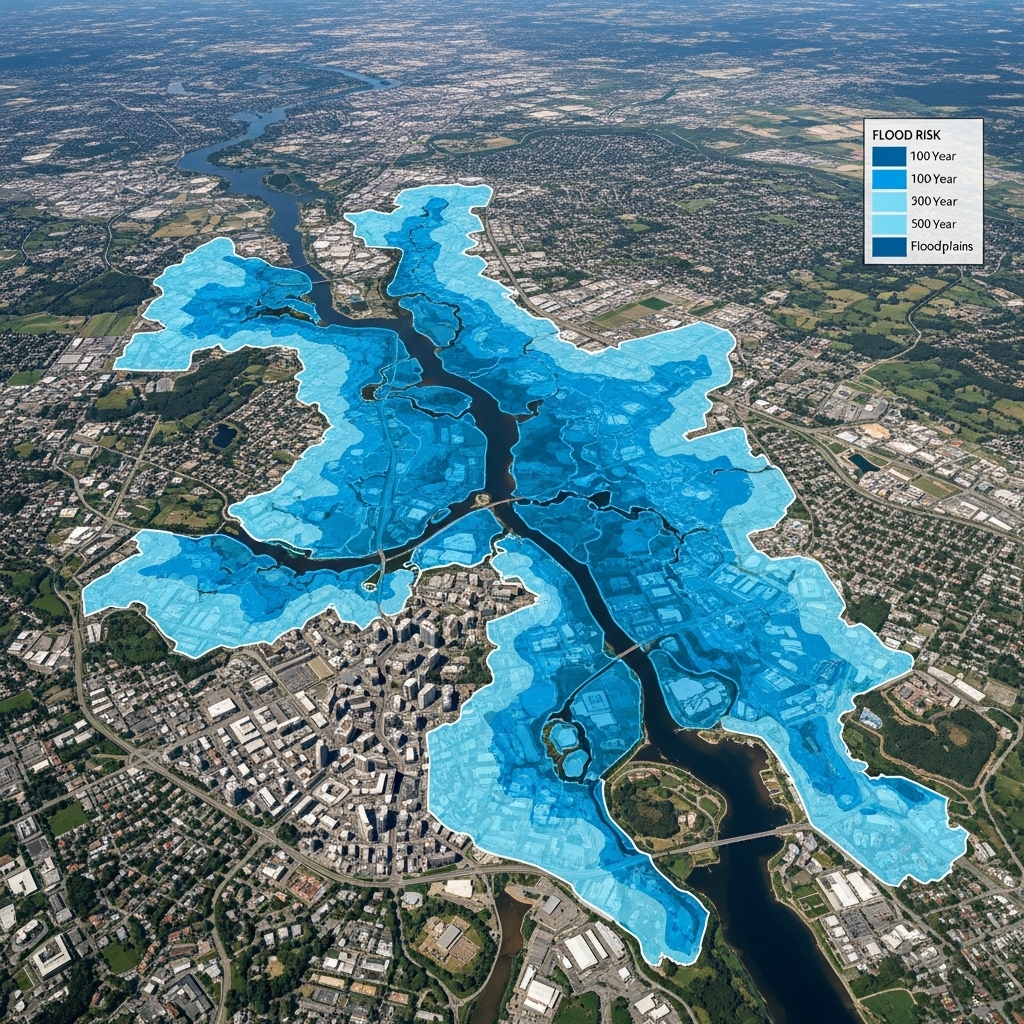
Flood zones are places marked by the Federal Emergency Management Agency (FEMA). These maps show how likely it is for an area to flood over certain years. Each flood zone tells you the chance of floods happening there. Homeowners, people with flood insurance, and local groups use these maps a lot.
These floodplain areas help set building rules and show if you need flood insurance. When you know the flood hazard for your home, you can take steps to lower your flood risk. This can help you protect your home from flood damage. Now, let’s see what each zone means and how people pick these zones.
Basic Definitions of Flood Zones in Tampa Bay
In Tampa Bay, a flood zone shows the flood risk for your property. The flood hazard is not only in coastal areas. It also includes inland areas near streams, ponds, and other waterways. If there is rain, there can be flooding. That is something you have to know.
A Special Flood Hazard Area (SFHA) is a place with high flood risk. There is a 1% or greater chance of flood happening in any given year. Some call this the “100-year flood.” But it does not mean the flood comes only one time every 100 years.
On the other hand, moderate and low-risk flood hazard areas have less chance of flooding. Still, you cannot say there is no risk at all. Knowing if you are in a high, moderate, or low-risk flood zone helps you to prepare for the kind of weather you get in South Florida.
How Flood Zones Are Determined in Florida
The Federal Emergency Management Agency puts together the flood map for towns and cities in Florida. The map is called the Flood Insurance Rate Map. To make the map, FEMA looks closely at watersheds and the coast. The map helps show floodplain areas and helps people see the flood hazard in the area.
You might see the term Base Flood Elevation on the flood map. The BFE is how high water from a base flood can get in an area. A base flood is a flood that has a 1% chance of happening each year. The BFE is an important number on any flood map because it tells you about the flood risk for that spot.
To see which flood zone your property is in, go to the flood map and type in your address. It will show where your place is and how close it is to the floodplain areas. This can help you know your flood risk and decide if you need flood insurance.
Main Flood Zone Categories in Tampa Bay
Tampa Bay’s flood zones are split into different groups on the flood map. Each group shows a certain level of flood risk. These groups matter because they set building rules and flood insurance requirements. The biggest difference is between areas that have a high flood hazard and those with a moderate to low risk.
Knowing your flood zone helps you get ready for flooding. It also helps you follow both city and federal rules. Now, let’s look at how high-risk and moderate- or low-risk zones are not the same. We will also go over how FEMA’s flood zone system works.
High-Risk vs. Moderate- and Low-Risk Zones
Properties are put into different groups on the flood map. These groups show how much flood risk each property has. Some places have a greater chance of flooding. Other places have a lower chance, but there is still some risk.
The main types you will see on a flood map are:
- High-Risk Areas: These are called Special Flood Hazard Areas. In these spots, there is a 1% or more chance that flooding will happen in a given year.
- Moderate Flood Hazard Areas: These areas are known as Zone X (shaded). They have less risk than high-risk zones. The chance of a flood each year falls between 1% and 0.2%.
- Minimal Flood Hazard Areas: These are called Zone X (unshaded). The risk here is below 0.2% for any year.
If your place is in a high-risk flood hazard area, and you have a federally backed mortgage, you must get flood insurance. In Pinellas and Hillsborough counties, there are many high-risk spots. You find these most often by the coast or near rivers and streams.
FEMA Flood Zone Classifications Explained
FEMA Flood Insurance Rate Maps (FIRMs) use specific letters to classify different zones. You can find this flood zone information by visiting the FEMA Flood Map Service Center online. The most common zones in Tampa Bay are A, V, and X.
AE zones are high-risk areas subject to inundation by the 1% annual chance flood, and Base Flood Elevations (BFEs) are provided. Zone V is also a high-risk coastal area with the additional hazard of storm-induced waves. Zone X represents areas of moderate to low flood risk.
Here is a simple breakdown of these classifications found on FEMA FIRM maps:
Flood Zone | Risk Level | Definition |
|---|---|---|
V / VE | High | Coastal areas with a 1% annual chance of flooding and added hazards from storm waves. |
A / AE | High | Areas with a 1% annual chance of flooding. BFEs are provided for AE zones. |
X (shaded) | Moderate | Areas between the 1% and 0.2% annual chance flood limits. |
X (unshaded) | Low | Areas determined to be outside the 0.2% annual chance floodplain. |
Finding Your Property’s Flood Zone Status

Figuring out if your property is in a flood zone is quick and very important. You just need your address to see the flood map for where you live, and get more flood zone information. This lets you know your flood risk and what that means for your house.
The good news is, there are many simple tools online that can help you with this. Here is how you can use these tools and look at the real maps for your county.
Online Tools and Websites for Flood Zone Search
There are many online tools that help you find flood zone information. With these tools, you can type in your address and see where your property is on the flood map. You can also check the flood risk for your place.
The most trusted site is FEMA’s Flood Map Service Center. This is the main place for flood insurance rate maps across the country. You can look up, see, or download the maps for your area right from this website.
Here are a few helpful resources:
- FEMA Flood Map Service: The main website to look at or download flood insurance rate maps.
- Pinellas County Flood Map Service: This is for people living in Pinellas County and shows local flood maps.
- Your Insurance Provider: Your insurance agent can help you find your flood zone and talk about flood insurance.
The use of these tools is a good way to the most correct flood zone information about your property. It is also the best way to know your flood risk, get the flood map, or talk about flood insurance. If you are not sure, ask your insurance provider.
Viewing Official Flood Maps for Hillsborough and Pinellas County
If you live in Tampa Bay, you have access to local flood map resources for both Hillsborough and Pinellas counties. These services let you see maps made just for your county and are often easier to use than the big national FEMA FIRM maps.
People in Pinellas County can look up their flood map with the Pinellas County Flood Map Service. This online tool lets you find your flood zone, your evacuation zone, and other safety details. In the same way, Hillsborough County gives people a way to view flood maps on its website. It also has a link that takes you to the FEMA resources for the latest info.
For things like insurance and building rules, both counties still use the official FEMA FIRM maps. If you compare the Hillsborough County flood map to the Pinellas County flood map, you’ll see that they both have a lot of high-risk coastal and inland areas. But, how the risk looks and where the biggest problems are will be a little different, since the land is not the same in each county.
How Flood Zones Affect Homeowners in Tampa-St Petersburg
The flood zone where your property is located can change many parts of owning a home in the Tampa-St. Petersburg area. The flood zone you are in plays a big role in your flood insurance and the rules you have to follow to build or fix your house. It is important to know what your flood hazard level is, as this helps you protect your home from flood damage and make sure you meet federal requirements.
There are two things that can be most affected. These are the flood insurance you need and the steps you need to take if you want to build something new or make changes to your house. Next, we will talk about how your flood zone changes the insurance requirements for you and what rules you need to follow for building or fixes.
Insurance Requirements Based on Flood Zone
One important thing you need to know about your flood zone is that it affects your insurance requirements. If your home is in a high-risk flood hazard area, like Zones A or V, and you have a federally backed mortgage, you must have flood insurance by law.
You can get this insurance from the National Flood Insurance Program (NFIP) or a private company. It is important to remember that a regular homeowners insurance policy does not cover flooding. Even if your home is not in a high-risk flood zone, getting flood insurance is a good idea. Just a few inches of water can do a lot of damage.
Your flood insurance cost depends on your flood risk. Things like how high your home sits, what it is made of, and your flood hazard area will affect your premium. Talking to an insurance agent can help you get a quote and learn what coverage is best for you.
Impact on Building and Renovation Permits
The flood zone your property is in can change the way you have to build or update your home. If it is in a high-risk flood hazard area, you must follow some specific development regulations. These rules help lower the risk of flood damage in the future. They apply to any new building and to big renovations.
There is an important rule called “substantial improvement.” If you want to fix, expand, or improve your home and the cost of the work is 49% or more of its market value, you must bring the whole house up to the current code. This is the code used for new buildings in that flood hazard area. You may even have to raise your home higher to meet these needs.
Before you start work on any project:
- Check your flood zone and your local building codes.
- Talk to the city’s floodplain coordinator to learn what permits you need.
- Make sure your plans follow all federal requirements. This will help you stay away from costly problems.
Conclusion
To sum up, it is very important for people who own homes to know about tampa bay flood zones. Each zone comes with its own risk, so if you know which zone you are in, you can make better choices. This helps you with things like insurance, fixing your place, and being safe. You can use online tools and look at official flood maps to find out if your home is at risk. Being aware can help you get ready for flooding and protect your house and family. If you want to know more or have questions about your home, you can ask an expert for help.
Frequently Asked Questions
Have recent flood zone maps changed in Tampa Bay?
Yes, FEMA updates the Flood Insurance Rate Maps (FEMA FIRM maps) from time to time. They do this when there are changes in the coast or the the environment. It is a good idea to check the FEMA Flood Map Service or your county’s website so you know the latest flood zone information for your Tampa Bay property. Keeping up with the current flood map can help you understand your need for flood insurance in your area.
What does it mean if my property is in a high-risk flood zone?
If you are in a high-risk zone, your property has a 1% chance to have a flood in any given year. Because of this, there are flood insurance requirements. If you have a home with a federally backed mortgage, you will need to get flood insurance. There are also stricter building codes. These rules help cut down your flood risk from a flood hazard.
How can Tampa Bay homeowners lower their flood risk?
Homeowners can lower their flood risk by raising up the utilities, putting in flood vents, making the yard slope away from the house, and making sure to close up openings. It also helps to follow your local mitigation strategy and talk with your insurance provider. Doing these things may lower your flood hazard, cut your premiums, and keep your home safer. See Tampa storm damage repair.
Latest Posts
Contact Us
For Advice
Need help? Talk to an expert
(813) 261-1525