

Fire Damage Restoration Cost Tampa, FL: Complete Pricing Guide & FAQ
By 911 Restoration Tampa | IICRC Certified Fire & Smoke Restoration Specialists | Serving Tampa Bay & Hillsborough County For local help, see fire damage repair.
Last Updated: June 2025
A house fire is one of the most devastating events a Tampa homeowner can experience. In the hours and days that follow, you are likely overwhelmed, frightened, and unsure where to turn. One of the first questions we hear from homeowners across Tampa Bay is: “How much is this going to cost me?”
That question deserves a clear, honest answer — and that is exactly what this guide delivers. At 911 Restoration Tampa, our IICRC certified technicians have responded to hundreds of fire damage emergencies across Tampa, Hillsborough County, and the greater Tampa Bay area. We understand the financial pressure, the emotional weight, and the urgency of getting your home and your life back to normal.
This comprehensive FAQ article walks you through real fire damage restoration costs in Tampa, what drives those costs up or down, how your insurance policy works, and what you should do right now if you have experienced a fire.
What Does Fire Damage Restoration Cost in Tampa, FL?
Fire damage restoration costs in Tampa typically range from $3,500 to $50,000 or more, depending on the size of the fire, the extent of structural damage, and the severity of smoke and soot contamination. According to the Insurance Information Institute, the average homeowners insurance claim for fire and lightning damage is approximately $83,519 — reflecting how quickly costs escalate when structural repair and content cleaning are factored together.
Here is a realistic cost breakdown by damage severity for Tampa residential properties:
- Minor fire (single room, limited smoke spread): $3,500 – $10,000
- Moderate fire (multiple rooms affected, significant smoke damage): $10,000 – $30,000
- Severe fire (structural damage, whole-home smoke infiltration): $30,000 – $80,000+
- Total loss or near-total loss: $80,000 – $200,000+
Cost Breakdown by Damage Category
Understanding where your money goes helps you make informed decisions. Here is a typical cost breakdown by damage category:
- Structural repair and rebuilding: $10,000 – $100,000+
- Smoke and soot cleaning and surface decontamination: $2,000 – $6,000
- Odor removal and air quality treatment: $500 – $4,000
- Content cleaning and pack-out services: $1,500 – $8,000
- Water damage cleanup from firefighting efforts: $1,000 – $5,000
- Mold remediation (secondary damage): $1,500 – $6,000
- Board-up and temporary protection: $300 – $1,500
Tampa Neighborhood and Property Type Considerations
Costs vary meaningfully across Tampa Bay depending on your neighborhood and property type. Older homes in areas like Seminole Heights, Ybor City, or Hyde Park often feature wood-frame construction, plaster walls, and original hardwood flooring — materials that absorb smoke deeply and require more intensive cleaning and repair. Newer construction in New Tampa, Westchase, or Riverview may use materials that are easier to restore, potentially lowering labor costs.
Commercial property owners in downtown Tampa or Brandon face a different cost structure entirely. Commercial fire damage restoration costs more per square foot due to code compliance requirements, business interruption considerations, and the complexity of HVAC and electrical systems. If you own a commercial property, expect costs at the higher end of these ranges or beyond.
Key Factors That Affect Fire and Smoke Damage Restoration Costs
No two fires are the same, and no two restoration jobs carry the same price tag. The following factors most significantly influence your final damage restoration costs:
Size and Scope of the Fire
A contained kitchen fire is far less expensive to remediate than a fire that spreads through multiple rooms or into the attic. The larger the affected area, the more labor hours, equipment, and materials are required.
Type of Materials Burned
Burning synthetic materials — plastics, foam furniture, and synthetic carpeting — produces thick, oily soot that bonds to surfaces and embeds deeply into walls and HVAC systems. This type of soot is significantly harder and more expensive to remove than the dry soot produced by burning wood or paper.
Severity of Smoke Infiltration
Smoke travels far beyond the flame. It moves through wall cavities, ductwork, and subfloors, depositing soot and odor-causing particles throughout the property. Extensive smoke infiltration dramatically increases cleaning and air quality treatment costs.
Response Time After the Fire
This is critical in Tampa. Florida’s high humidity — averaging 74% annually — accelerates smoke and soot damage if restoration is delayed. Within 24 to 48 hours of a fire, soot begins permanently staining walls and ceilings, smoke odors become embedded in porous surfaces, and residual moisture from firefighting efforts creates ideal conditions for mold growth. Every hour of delay increases your total restoration costs. Fast mitigation is not just a selling point — it is a financial necessity.
Water Damage From Firefighting
Firefighters use large volumes of water to extinguish a blaze. That water soaks into flooring, drywall, insulation, and structural components. If not extracted and dried immediately, it leads to secondary water damage and mold — two additional repair costs that many homeowners do not anticipate.
Fire Damage vs. Smoke and Soot Damage Restoration Costs
Many homeowners assume that if the flames did not reach a room, that room is undamaged. This is a dangerous misconception. Smoke and soot damage can affect every room in your home — even rooms where no fire was present.
Understanding Smoke Damage Costs
Smoke damage remediation involves specialized cleaning of walls, ceilings, floors, personal belongings, and HVAC systems. Professional-grade equipment — including air scrubbers, thermal foggers, and ozone machines — is required to neutralize odors and remove airborne particles. Smoke damage cleanup for a moderately affected home in Tampa typically costs between $2,000 and $6,000 for cleaning alone, not including structural repair.
Soot Removal Costs
Soot is corrosive. Left untreated, it permanently etches glass, corrodes metal surfaces, and stains porous materials within days. Professional soot cleaning requires chemical sponges, HEPA vacuuming, and in many cases, surface priming before repainting. Attempting to wipe soot with standard household cleaners often drives it deeper into surfaces, increasing restoration costs later.
Odor Removal and Air Quality Treatment
Persistent smoke odor is one of the most common complaints after a fire. Effective odor removal requires professional-grade interventions — thermal fogging, ozone treatment, and hydroxyl generators — that are not available to consumers. Air quality treatment also addresses particulate contamination that poses real health risks, particularly for children, the elderly, and those with respiratory conditions.
Water Damage Costs From Firefighting Efforts
Water damage is an often-overlooked cost in fire damage restoration. When firefighters extinguish a blaze, hundreds or even thousands of gallons of water saturate your home. This water must be extracted quickly and the structure dried professionally — otherwise you face a compounding crisis.
In Tampa’s humid subtropical climate, standing water and wet building materials create the perfect environment for mold growth within 24 to 48 hours. Mold remediation adds $1,500 to $6,000 or more to your total restoration bill — a hidden cost that proper emergency water extraction can prevent.
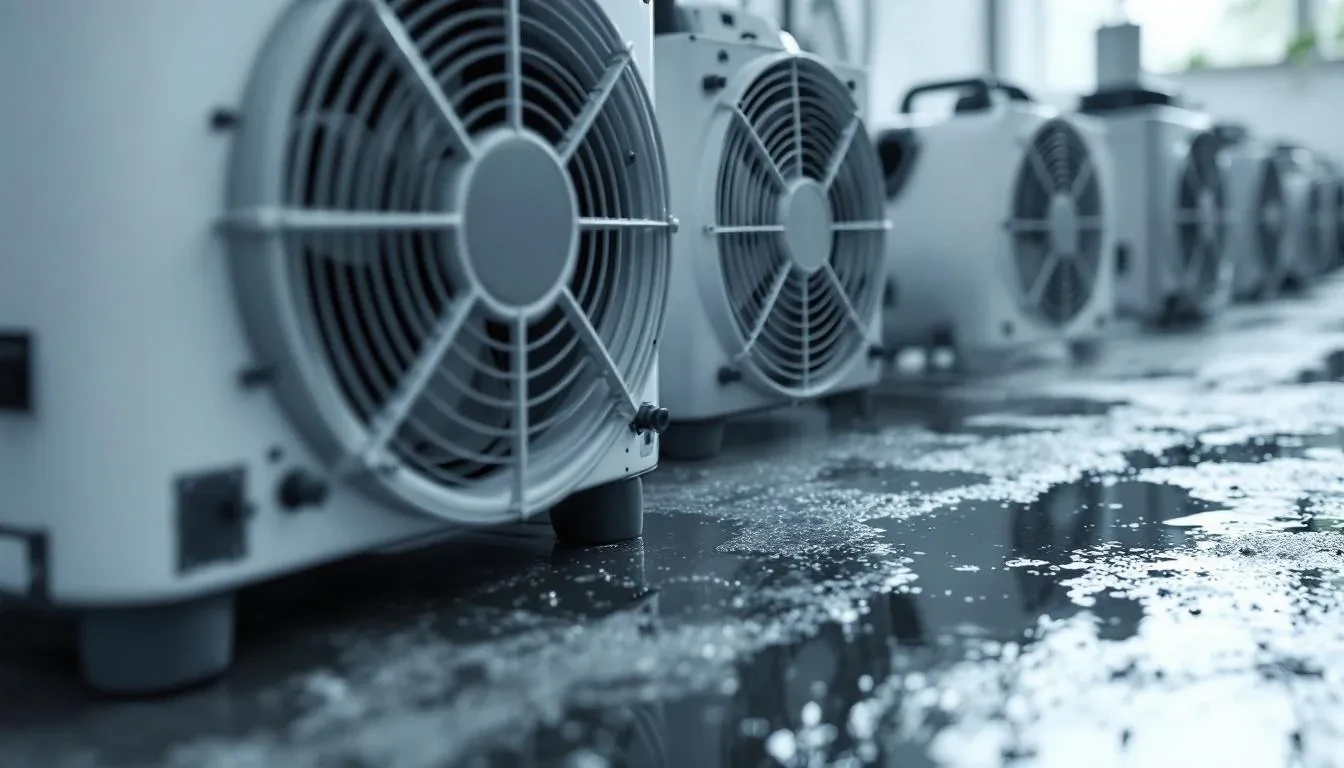
Our team at 911 Restoration Tampa deploys industrial water extraction equipment, dehumidifiers, and air movers immediately upon arrival. Fast mitigation to prevent additional damage is one of the most financially important services we provide. According to the National Fire Protection Association (NFPA), secondary damage from water and mold frequently exceeds the original fire damage in total restoration costs.
How Your Insurance Policy Covers Fire Damage Restoration
The good news: most standard homeowners insurance policies in Florida cover fire damage restoration, including structural repair, smoke damage cleanup, and temporary living expenses if your home is uninhabitable.
What a Typical Florida Homeowners Policy Covers
- Structural repairs and rebuilding (dwelling coverage)
- Smoke and soot cleaning
- Personal property replacement (contents coverage)
- Additional Living Expenses (ALE) while displaced
- Water damage from firefighting efforts
- Mold remediation caused by firefighting water exposure (in most policies)
How to Document Fire Damage for a Successful Insurance Claim in Tampa
Proper documentation is the difference between a smooth, fully paid claim and a prolonged dispute with your insurer. Follow these steps immediately after the fire:
- Photograph and video everything before any cleanup begins. Capture every room, every damaged item, and every structural element.
- Create a written inventory of damaged or destroyed personal property with estimated values and purchase dates.
- Save all receipts for emergency expenses — hotel stays, meals, clothing, and temporary repairs.
- Request a written scope of damage report from your restoration company. At 911 Restoration Tampa, we provide detailed written estimates that itemize every service, making it easier for your adjuster to approve your claim.
- Report promptly — most Florida policies require you to report fire damage within a specified time period.
Typical Insurance Claim Timeline in Tampa
After filing your claim, expect the following general timeline:
- Days 1–3: Initial claim filed, adjuster assigned
- Days 3–7: Adjuster inspects property, reviews documentation
- Days 7–14: Initial estimate issued and reviewed
- Days 14–30: Supplemental claims submitted for hidden damage
- Weeks 4–12+: Restoration completed, final payments issued
911 Restoration Tampa works directly with your insurance adjuster on your behalf — a service that removes stress and helps ensure nothing is missed in your claim.
What the Fire Damage Restoration Process Looks Like
Understanding the professional restoration process helps you know what to expect and why each step matters.
Step 1: Emergency Response and Property Assessment
Our team arrives 24/7, assesses the full extent of fire, smoke, soot, and water damage, and secures the property with board-up services if needed.
Step 2: Water Extraction and Drying
Industrial water extraction equipment removes standing water immediately. Commercial-grade dehumidifiers and air movers begin the drying process to prevent mold growth.
Step 3: Smoke and Soot Removal
Technicians perform systematic smoke and soot cleaning of all affected surfaces, including ceilings, walls, floors, fixtures, and contents. HEPA vacuuming removes loose particles before chemical treatments are applied.
Step 4: Deodorization and Air Quality Treatment
Thermal fogging, ozone treatment, or hydroxyl generators neutralize smoke odors at a molecular level. Air scrubbers with HEPA filtration clean the air throughout the property.
Step 5: Content Cleaning and Pack-Out
Salvageable personal belongings are carefully packed, inventoried, and transported to our cleaning facility for restoration. This includes furniture, clothing, electronics, and documents.
Step 6: Structural Repair and Reconstruction
Damaged structural elements — framing, drywall, flooring, roofing — are repaired or replaced. Final painting and finishing restore your home to pre-loss condition.
Why Hiring a Professional Restoration Team Matters in Tampa
It is tempting to begin cleanup yourself or hire a general contractor to save money. In Tampa, this approach almost always costs more in the long run.
The Risks of DIY Cleanup After a Fire
- Health hazards: Fire-damaged homes contain carbon monoxide, asbestos (in older Tampa homes), lead paint particles, and toxic soot compounds. Without proper protective equipment and training, exposure is dangerous.
- Spreading soot damage: Improper cleaning techniques push soot deeper into surfaces, creating permanent staining and increasing repair costs.
- Missing hidden damage: DIY cleanup misses smoke infiltration inside walls, ductwork, and insulation — damage that will cause ongoing odor and air quality problems.
- Insurance complications: Insurers may deny or reduce claims when non-professional cleanup compromises the ability to accurately assess damage.
IICRC Certification: What It Means and Why It Matters in Florida
Florida does not have a single unified licensing standard for fire restoration contractors, making it easy for unqualified operators to enter the market after a disaster. The Institute of Inspection, Cleaning and Restoration Certification (IICRC) sets the industry standard for fire, smoke, and water damage restoration. IICRC certified technicians have completed rigorous training in restoration science, safety protocols, and industry best practices.
Every technician at 911 Restoration Tampa is IICRC certified. When you invite our team into your home, you can be confident that the professionals handling your property have earned the credentials to do it right.
What to Do in the First 24 Hours After a Fire in Tampa
What you do — and do not do — in the first 24 hours after a fire significantly impacts both your safety and your total restoration costs.
- Do not re-enter your home until the fire department confirms it is structurally safe.
- Call 911 Restoration Tampa immediately for 24/7 emergency response. Early intervention prevents secondary water and mold damage.
- Contact your insurance company to begin the claims process.
- Do not attempt to clean soot yourself — you will likely make it worse.
- Do not run HVAC systems — they will spread soot and smoke particles throughout the home.
- Photograph all damage from a safe distance before anything is moved or cleaned.
- Arrange temporary housing if needed — your ALE coverage may reimburse these costs.
Cost-Saving Tips Without Sacrificing Quality
There are legitimate ways to manage fire damage restoration costs without cutting corners on safety or quality:
- Act immediately. Fast mitigation limits secondary damage from smoke, soot, and firefighting water — keeping your total bill lower.
- Work with a restoration company that bills your insurance directly. 911 Restoration Tampa handles insurance billing on your behalf, reducing the risk of underpaid claims.
- Request a detailed written estimate before work begins. Transparent, itemized estimates protect you from surprise charges.
- Salvage what can be saved. Professional content cleaning is significantly less expensive than full replacement. Our team assesses every item for restoration potential.
- Address water damage immediately to prevent mold — a secondary cost that is entirely avoidable with prompt action.
Why Choose 911 Restoration of Tampa for Fire Damage Repair
When Tampa Bay homeowners need fire damage restoration, they need a team that shows up fast, works with integrity, and delivers results. Here is what sets 911 Restoration Tampa apart:
- 24/7 emergency response: We answer every call, day or night, including weekends and holidays.
- IICRC certified technicians: Every member of our restoration team holds industry-recognized credentials.
- Direct insurance billing: We work directly with your insurance adjuster to document damage, submit scopes, and advocate for full coverage on your behalf.
- Transparent written estimates: No surprises. You receive a clear, itemized estimate before we begin any work.
- Local Tampa expertise: We understand the unique challenges of Florida’s climate, Tampa’s housing stock, and the specific risks that affect homeowners across Hillsborough County.
- Hundreds of Tampa Bay fire damage jobs completed: Our experience across residential and commercial properties throughout Tampa, Brandon, Riverview, and the greater Tampa Bay region means you benefit from proven processes and deep local knowledge.
Real Tampa client scenario: After a grease fire spread from a Seminole Heights kitchen into the adjacent living room, our team arrived within the hour, extracted firefighting water from the hardwood floors, contained smoke infiltration to prevent spread into the second floor, and had the family back in their home within three weeks — with the entire claim handled directly through their insurer.
Frequently Asked Questions About Fire Damage Restoration Costs in Tampa
Q: What does fire restoration cost in Tampa, FL?
Fire damage restoration costs in Tampa range from approximately $3,500 for a minor, contained fire to $80,000 or more for severe structural damage and whole-home smoke infiltration. The national average for a fire damage insurance claim is over $83,000 according to the Insurance Information Institute. Your actual cost depends on the size of the fire, materials affected, extent of smoke damage, and whether secondary water or mold damage is present. Contact 911 Restoration Tampa for a free, written on-site estimate specific to your property.
Q: Does homeowners insurance cover fire damage restoration in Tampa?
Yes. Standard homeowners insurance policies in Florida typically cover fire damage restoration, including structural repair, smoke and soot cleaning, content restoration, and additional living expenses if you are displaced. Water damage caused by firefighting efforts is also generally covered. Review your policy for deductibles and coverage limits, and contact 911 Restoration Tampa — we work directly with your insurance adjuster to help maximize your claim.
Q: How long does fire damage restoration take in Tampa?
Timeline depends on the severity of damage. Minor fire damage with limited smoke spread may be resolved in one to two weeks. Moderate damage requiring extensive smoke damage cleanup, structural repair, and content restoration typically takes three to six weeks. Severe fire damage involving major structural rebuilding can take three to six months or longer. Florida permitting requirements and material lead times can also affect the timeline.
Q: What is the difference between fire damage and smoke damage restoration costs?
Fire damage restoration addresses structural destruction — charred framing, burned flooring, destroyed walls — and typically accounts for the largest portion of costs. Smoke damage restoration focuses on cleaning surfaces, neutralizing odors, and treating air quality throughout the property. Smoke can affect rooms the fire never reached, making smoke and soot remediation a separate and significant cost even when structural damage is minimal. Both are typically covered under standard homeowners insurance.
Q: Can I stay in my home during fire damage restoration?
In most cases, no. Fire-damaged homes contain health hazards including toxic soot, carbon monoxide residue, compromised structural integrity, and elevated airborne particulates. Your insurance policy’s Additional Living Expenses (ALE) coverage is designed to cover temporary housing during restoration. Your 911 Restoration Tampa project manager will give you an honest assessment of when it is safe to return.
Q: What should I do immediately after a fire before the restoration team arrives?
Stay out of the home until it is declared safe by the fire department. Photograph all damage from a safe distance. Do not attempt to clean soot or run your HVAC system. Contact 911 Restoration Tampa for emergency service and call your insurance company to file your claim. Avoid disturbing damaged areas — preserving the scene helps ensure accurate damage documentation for your insurance claim.
Q: Does 911 Restoration of Tampa offer emergency fire damage services?
Yes. 911 Restoration Tampa provides 24/7 emergency fire damage response throughout Tampa, Tampa Bay, and Hillsborough County. We answer every call regardless of time or day. Early arrival allows our team to begin water extraction, board-up services, and smoke containment immediately — limiting secondary damage and keeping your total restoration costs as low as possible.
Q: How do I get a fire damage restoration estimate in Tampa?
Contact 911 Restoration Tampa by phone or online to request an immediate on-site assessment. Our IICRC certified technicians will inspect your entire property — including areas with hidden smoke infiltration — and provide a detailed written estimate itemizing every service. We provide transparent pricing before work begins, and we handle direct insurance billing so you are never left navigating the process alone.
Ready to Restore Your Tampa Home? Call 911 Restoration Tampa Now.
Do not wait. Every hour after a fire increases the risk of permanent smoke and soot damage, mold growth from firefighting water, and higher restoration costs. Our IICRC certified team is standing by 24 hours a day, 7 days a week to respond to your emergency anywhere in Tampa Bay and Hillsborough County.
Call us now for immediate emergency response and a free, transparent written estimate. We work directly with your insurance company — so you can focus on your family while we handle the restoration.
📞 Call 911 Restoration Tampa: Available 24/7 for Fire Damage Emergencies Across Tampa, Tampa Bay, and Hillsborough County.