

28
Aug
Essential Tips for Tackling Mold After Flooding Tampa
Mold After Flooding in Tampa: What You Must Do Now
- Flooding in Tampa can help mold grow fast. The mold can show up in 24 to 48 hours after water damage.
- Mold can be bad for health and may cause problems when you breathe. It can also hurt your home by leading to structural damage.
- Early signs of mold issues include musty smells and spots that change color. You need to find these signs early to stop mold from spreading in your place.
- After a flood, you need to act right away. Getting help from experts for water damage restoration can keep mold from growing.
- It is better to choose professional mold remediation than to try to do mold removal on your own. The experts know how to properly handle mold damage and make your home safe.
- It is good to know how your insurance claims work. This helps you get help with paying for repairs from water damage and mold.
Introduction
When a flood happens in your Tampa home, what you see is just the start of water damage. The wet and humid air helps mold grow fast. This can bring mold issues that hurt your house and your family’s health. It’s important to act fast. This guide gives you some important tips for fighting mold after a flood. It also helps you learn more about health risks, so you can know what to do to keep your home safe and work toward getting things back to normal. For local help, see Tampa Bay mold experts.
Mold Risks After Flooding in Tampa
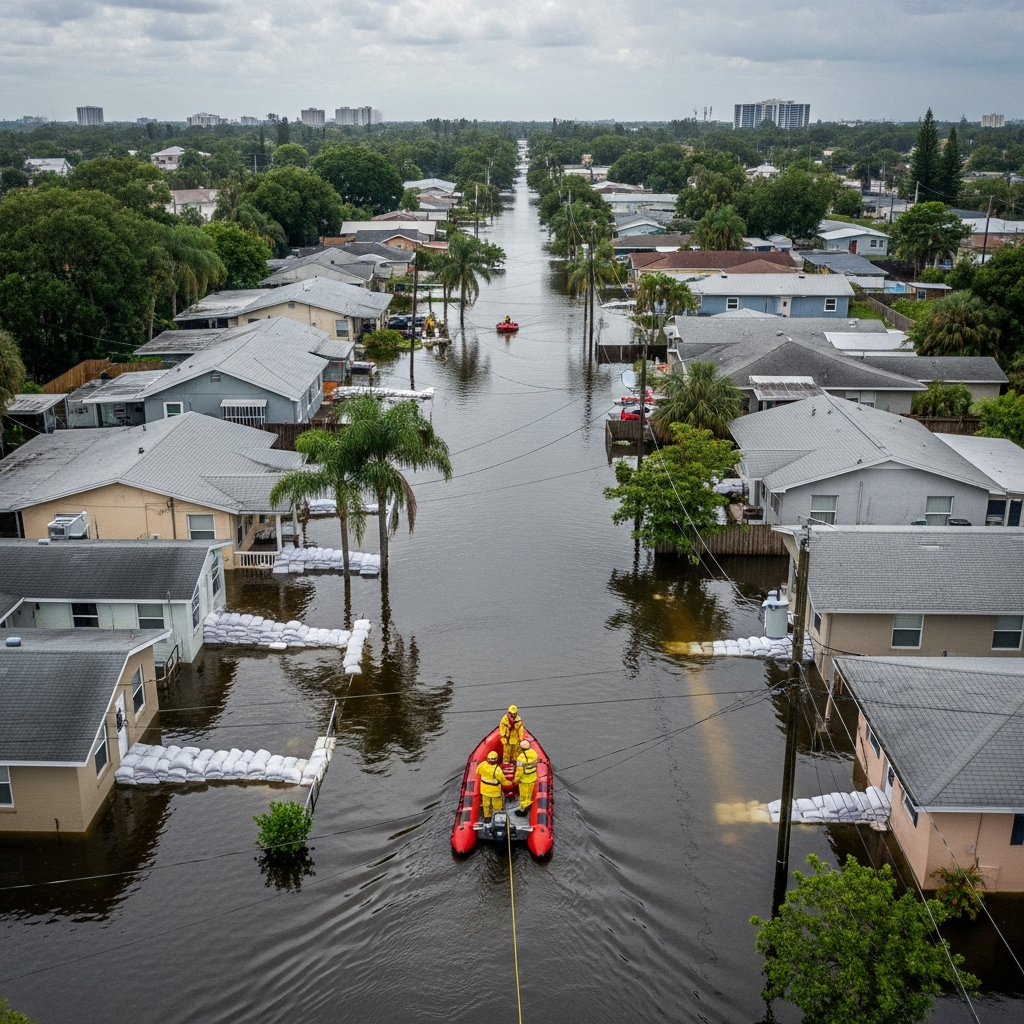
Flooding in Tampa can lead to a high risk of mold growth. This is a problem that property owners should not ignore. The warm and humid weather in Florida helps mold grow fast. Mold can start to show up in just 24 to 48 hours after there is flood damage. Mold can spread all over your home if you do not act quickly.
When there is mold in your home, it can cause health risks. Some people may have allergic reactions. Others may get more severe problems with their breathing. Knowing about these dangers is the first step to keep your family safe. Now, let’s talk about why flooding leads to so much mold damage and what you can do to stop it.
Why Flooding Triggers Mold Growth
After storm damage causes flooding, your home can quickly become a place where mold grows. Mold spores are always in the air, but they need water to start growing. When floodwater gets into your house, it gives these spores what they need to start to spread.
Standing water from water damage can soak into porous materials like drywall, wood, and insulation. It wakes up the mold spores that were not growing before. They begin to form mold colonies. If you live in Tampa, where it is warm and humid, mold can show up even faster.
If you do not dry things out quickly and completely, these mold colonies will keep getting bigger. They will spread through your home. This is why you must deal with water intrusion right away. If you do not, a small problem can turn into a big mold issue.
Common Types of Mold Found After Flood Damage
After a flood, several types of mold can begin to form on the damp surfaces of your home. These mold colonies feed on porous materials like drywall, carpet, and wood, which are common building materials in any house.
One of the most well-known types is Stachybotrys chartarum, often called “black mold.” This type is particularly concerning due to the health issues it can cause. However, other molds like Aspergillus and Penicillium are also frequently found after water damage and can pose risks. It’s important to treat any mold growth seriously, regardless of its color or type.
Identifying the specific mold isn’t as crucial as removing it safely. Below are some common molds you might encounter.
Mold Type | Common Appearance | Often Found On |
|---|---|---|
Stachybotrys (Black Mold) | Dark green or black, slimy texture | Drywall, wood, paper products |
Aspergillus | Can be many colors (green, white, yellow) | Walls, insulation, clothing |
Penicillium | Bluish or greenish, velvety texture | Carpet, wallpaper, mattresses |
Cladosporium | Olive-green to brown or black | Wood, fabrics, painted surfaces |
Health Concerns Linked to Mold Exposure
Being around mold can cause many health problems. Some can be mild while others are more serious. When there is mold in your home, it puts spores in the air. You can breathe these in, which may cause health effects. This can be worse for children, the elderly, and people who have weaker immune systems.
The most common things people get from mold exposure are respiratory issues and allergic reactions. You could have symptoms like you have allergies or a cold that just will not go away. If you are around mold for a long time, it can lead to worse health problems. This is why it is so important to take care of mold right away.
Some of the main health problems from mold include:
- Allergic reactions that make you sneeze, have a runny nose, or get rashes on your skin.
- Asthma attacks or making asthma symptoms worse.
- Respiratory issues like coughing, wheezing, and finding it hard to breathe.
- Headaches, feeling tired, and other symptoms in people who are more sensitive.
Recognizing Mold Problems in your Tampa Home
After a flood, you need to watch out for signs of mold. Sometimes you can see the mold. It may show up on your walls or on your furniture. But other times, mold can hide where you cannot see it.
If you notice the early signs, you can fix mold issues before they get worse. Doing a good mold inspection is the best way to find out if you have a problem. If you know what to look for, smell, or feel, you can help keep your home and your health safe.
Visible Signs of Mold After Flooding
One of the easiest ways to tell if you have a mold problem is to look for it. If you have had water damage, you should check your house for any signs of mold growth. Mold can show up in many colors and forms.
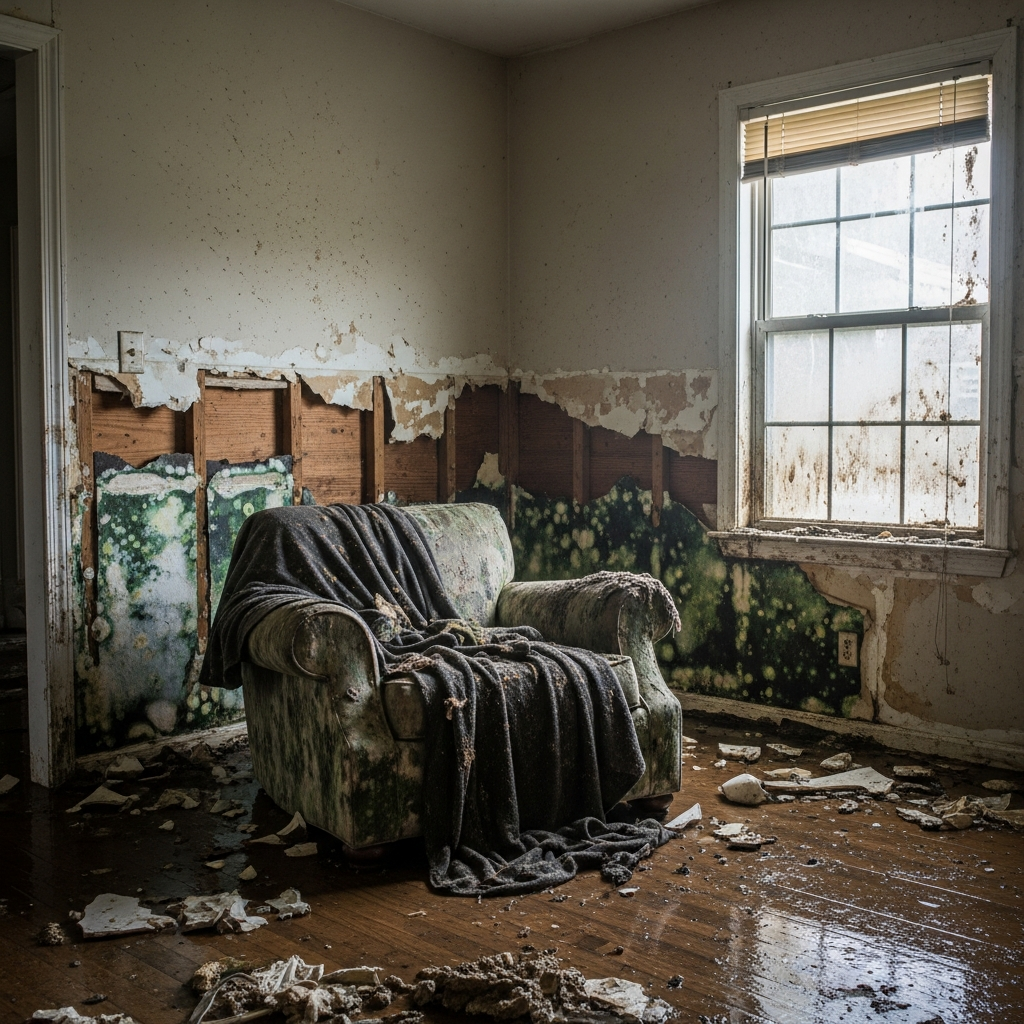
Mold colonies often look like spots or patches. They may be black, green, or white. These spots can show up on almost any surface that has been wet, like walls, ceilings, or furniture. You may also notice a strong musty odor, and that is a good clue there is mold around.
Here are some top signs of mold you should look for:
- Discoloration or dark spots on walls, ceilings, and floors.
- Fuzzy or slimy patches of growth.
- Peeling, bubbling, or cracking paint or wallpaper.
- Warped walls or buckling floorboards.
- A strong, earthy, or musty smell in some rooms.
Hidden Mold and How to Spot It
Not all mold problems are easy for you to see. Mold can grow where you cannot look, like behind your walls, under carpets, or inside the ventilation system. When this happens, mold spores can get into your air quality, and you may not even know it. This is why mold is a quiet but big problem in the home.
Floodwater goes into porous materials, making it much easier for mold to grow and hide. These hidden places might let mold stay for a long time before you find signs of it. If you notice a musty smell that does not go away or if your family starts having allergic reactions that you cannot explain, there may be unseen mold in your home.
You can sometimes spot mold that you cannot see just by noticing some signs. These could be areas of warped drywall, peeling paint or wallpaper, or spots where the wall looks a different color for no clear reason. If your home has had water damage and these issues come up, it means there could be mold out of sight. To know for sure, it is a good idea to get a professional to do an inspection.
Warning Signals from Air Quality and Smell
Your sense of smell can be a good way to find mold in your home. One sign of mold is a musty odor that doesn’t go away. The mold gives off this smell as it grows and lets out what people call MVOCs. If you get an earthy or damp smell in your house that will not leave, it is a warning to check the air quality soon.
This smell can mean mold spores are getting into your indoor air. The musty odor might be stronger in places like the basement, bathroom, or closet. The strong smell in these spots can help you find out where the mold is. Even if you can’t see any mold, just the smell should push you to look for it and fix the problem.
Mold can start to grow inside hvac systems as well. If this happens, the musty odor and mold spores can move through your whole house when you turn on the air. If the bad smell is worse after you turn on your heating or cooling, it is time to have someone check your hvac systems for mold to keep your indoor air quality good.
Immediate Actions to Take Post-Flooding
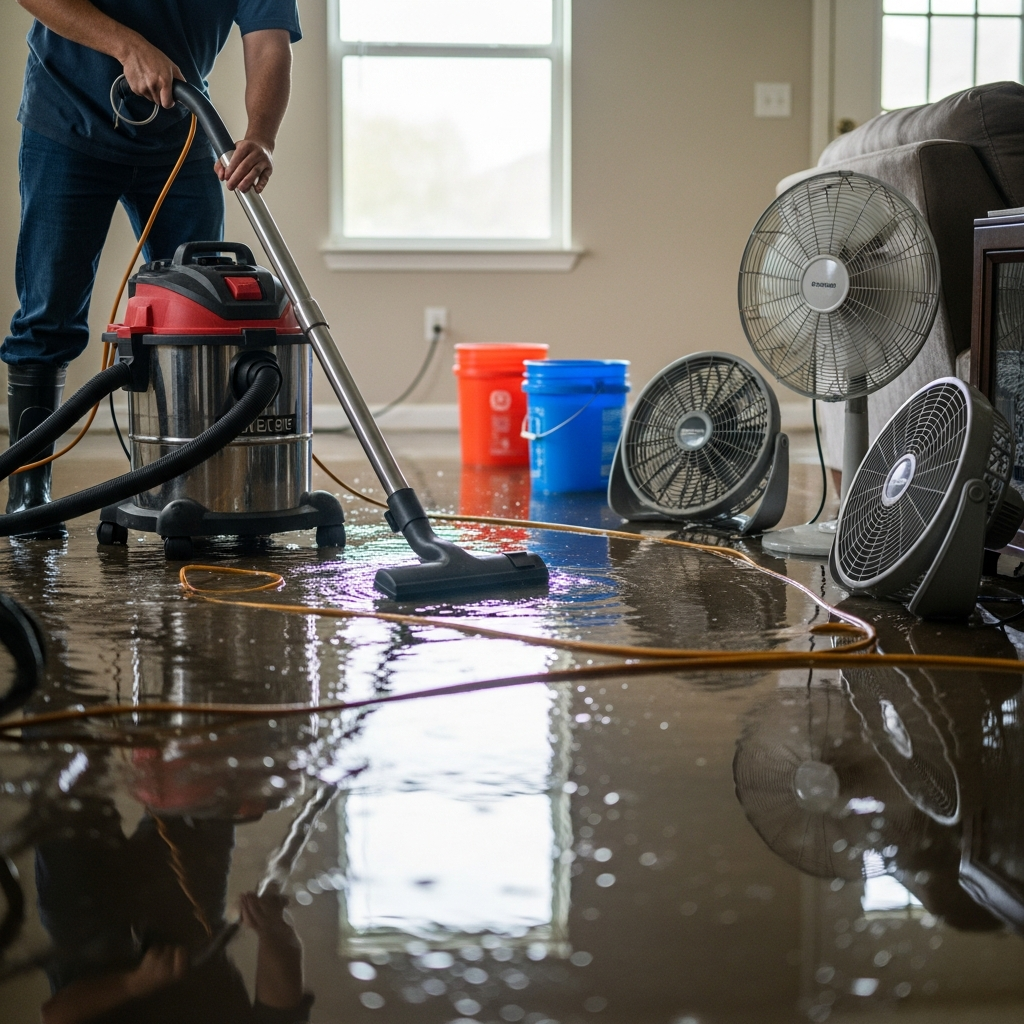
When your home gets hit by storm damage and flooding, the best thing you can do is act fast. This helps stop mold from becoming a problem. The first step, after you make sure your family is safe, is to call emergency services for water damage. A quick response can help cut down on how bad the damage is and stop more trouble from happening later.
Getting rid of the water and making sure things are dry is very important. The longer water stays, the more likely mold growth and serious structural issues will show up. If you take the right steps at the start, you can save time, money, and a lot of stress.
Steps for Preventing Mold Growth After Water Damage
The best way to stop mold is to take out all the water as fast as you can. When there is water damage from a flood, you need to dry the affected areas in 24 to 48 hours. This is why water damage restoration services are so helpful. They know what to do and bring the right tools to get it done.
Start with taking out as much standing water as possible. Focus next on drying everything that got wet. Use dehumidifiers and air movers to help the air move and pull the water out of things like walls, floors, and furniture. If you dry the area fast, there is less of a chance for mold to show up.
Here are some main steps you should take:
- Remove all wet items, such as carpets, furniture, and drywall, from your home.
- Use fans and dehumidifiers to make the drying faster in all the affected areas.
- Open the windows and doors to get more air if the weather outside is nice.
- Clean and disinfect any surfaces that touched the floodwater.
What To Do First If You Suspect Mold
If you see or smell mold, the first step is to not touch it. Do not clean it with bleach. Do not scrape it off by yourself. That can send mold spores into the air. It can also cause further damage to your home.
Your main job is to get a mold inspection. A certified inspector will look over the area. He will check how big the mold problem is. He can also tell you the best thing to do next. This helps you know what’s wrong without putting your health at risk.
Call remediation services as soon as you can. Experts know how to close off the part of your home with mold, which stops the mold from going to other rooms. They can also start to remove it the right way. By getting help fast, you make sure the problem gets fixed from the start.
When To Call a Local Mold Remediation Expert
Some small spots of mold may look easy to clean up. But after a flood, you will almost always need professional help for mold problems. If the mold is spread out over more than 10 square feet, or if you think it is hiding behind walls, call the experts.
A team that does mold remediation in your area will know how to handle Tampa’s climate. They have the right skills and tools for safe and effective professional mold remediation. Trying to remove a big problem on your own may not get all the mold out, and the mold could come back.
You should call an expert when:
- The mold growth is in a large area.
- You smell a strong, musty odor but can’t see where the mold is.
- People in your home have allergy-like symptoms.
- There was a lot of water damage, especially if sewage or black water was involved.
Mold Remediation Solutions in Tampa-St Petersburg
When you have mold damage in the Tampa Bay area, you want answers that work well and can be trusted. Professional mold remediation is not just about cleaning up. It is a full process meant to get rid of mold, find and stop the moisture that helps it grow, and make sure the mold does not come back.
Trusted remediation services in Tampa Bay use the latest ways for mold removal. Knowing how mold remediation works can help you feel better about your home. You can trust it will be a safe and healthy environment once the work is done.
Professional Mold Assessment and Removal Process
The professional mold removal process is a step-by-step way to make sure all mold is safely removed from your home. It starts with a full look at the problem. This can include mold testing to learn what type of mold is there and how much of it is present. Mold spores can get anywhere, so the team needs to be careful.
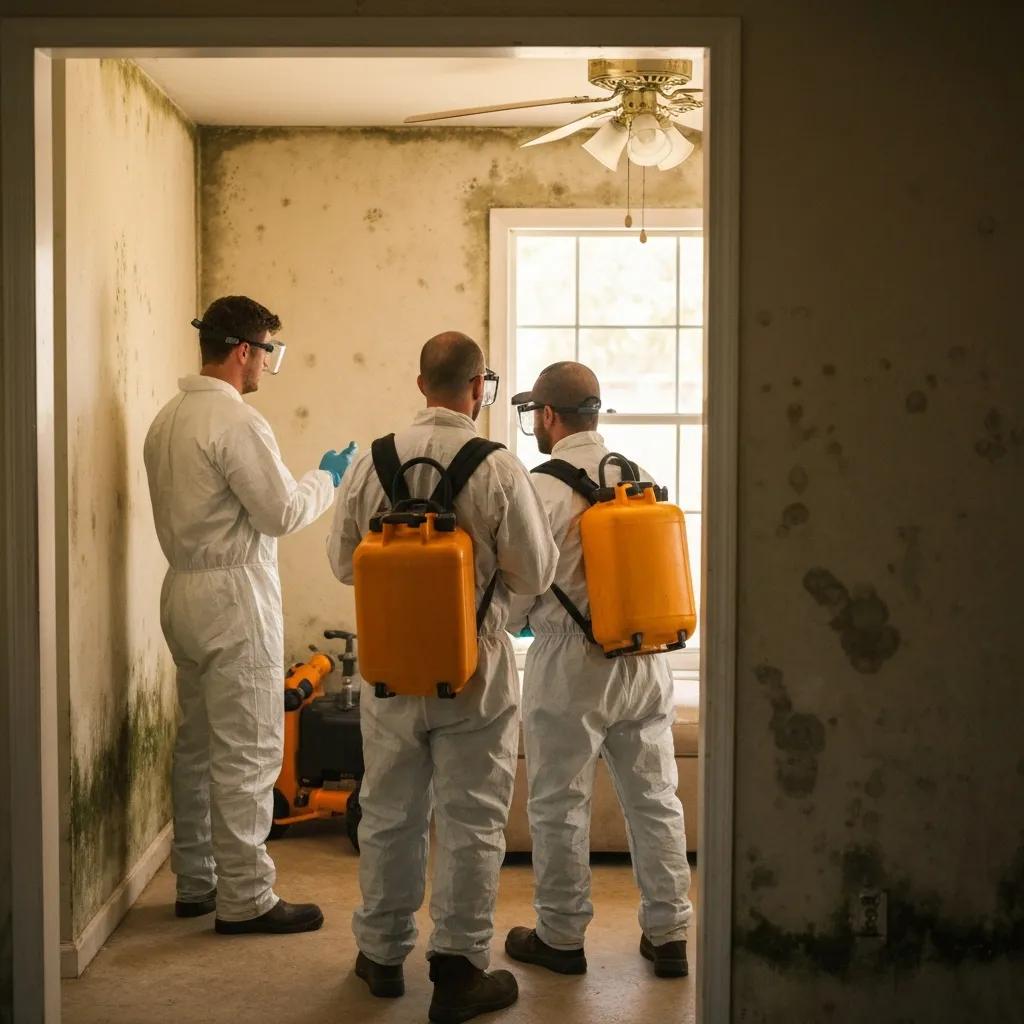
Once the team knows what they are dealing with, they will use advanced equipment and follow strict safety rules. They make sure to block off the area with mold so spores do not spread to other places. After all the mold is gone, antimicrobial treatments might be used on surfaces. This step helps kill any leftover mold spores and stops new ones from growing. These professional services are made to give a lasting solution.
The process usually goes like this:
- Assessment and Inspection: The team finds where the mold is coming from and how far it has spread.
- Containment: They seal off the trouble spots so spores stay in one spot.
- Air Filtration: Special filters called HEPA filters are used to get mold spores out of the air.
- Mold Removal: They safely take out anything with mold.
- Cleaning and Sanitizing: The team treats all the affected spots to stop mold from coming back.
Should You Attempt DIY Mold Cleanup or Hire Local Experts?
When you find mold, especially after there is a flood, you may want to clean it up yourself to save money. But this can cause bigger problems. Cleaning it the wrong way can spread mold spores. This will lead to further damage and more health risks. If the mold is more than a tiny spot, it is safer to get professional intervention.
Hiring a company that knows the Tampa area is a good idea. These people have local expertise with the climate and rules about buildings. They also have the right safety gear, ways to keep the mold from moving around, and special tools to do the work right and keep everyone safe.
Cleaning it on your own might look cheap at first. But if the mold comes back or spreads, you may end up paying more. Getting professionals to take care of it will make sure the job is done well. It keeps your home safe and also protects your family’s health.
Tampa-Specific Guidelines and Regulations for Mold Removal
Even though Florida does not have state laws that control mold remediation, property owners in the Tampa Bay area still have to keep their properties safe. Professional mold removal companies in Tampa Bay follow rules from groups like the IICRC to be sure the work is done right.
These industry standards help make sure the work is both safe and really works. They include steps for worker and occupant safety. They also explain the right ways to keep mold contained and remove it. This is very important in places like Tampa that can get a lot of moisture, since that means mold growth can come back if not handled right.
If you own a property, it’s a good idea to choose a certified company that follows these rules. Doing this means:
- The mold remediation will be safe and get done well.
- There is less risk that you will have mold issues or mold growth again.
- You will have proper records of the work, which can help with your insurance or legal needs.
- Your property will be fixed up the right way, following accepted industry standards.
Insurance & Financial Support for Mold Remediation
Dealing with the cost of mold remediation can feel hard. Many people want to know if their insurance policy will help pay for it. The answer often depends on your insurance policy and what caused the property damage. Understanding what is in your insurance policy is the first step. Insurance claims for mold can sometimes be tricky.
It helps to know the right steps and make sure you document the damage well. By doing this, you have a better shot at a successful insurance claim. It can make it easier to get the help you need and fix your home. This way, you can avoid further damage to both your home and your money.
Does Your Home Insurance Cover Mold Damage in Florida?
In Florida, your home insurance will cover mold damage if the mold comes from a “covered peril.” This usually means something sudden happens, like a pipe bursting by accident.
But if the mold is caused by slow leaks, not taking care of your place, or if it is just from high humidity, the insurance often does not pay for it. If you live in a place like Tampa, where there are floods, you should know that flood damage is not covered by most regular home insurance policies. You will need to get a different flood insurance policy if you want that coverage.
Look at your insurance policy or talk with your agent to know just what your coverage is when it comes to mold damage. Many insurance policies put a limit on how much they will pay for mold remediation. So, it is good to know these things before you make insurance claims. This helps property owners be aware of what they are able to get covered if they have problems with mold or flood damage.
Tips for Filing Mold-Related Claims After Flooding
Filing insurance claims for mold can take some steps, but being ready will help a lot. You need to give clear information to back up your claim. If you think there is mold from water damage, start to keep proof right away.
Tell your insurance company about the water damage and mold as soon as you see the problem. Do not wait or put it off. Many plans say you must let them know quickly. Doing what your insurer says will help your insurance claim go well.
Here are ways to help your case:
- Document Everything: Take photos and videos of the water damage and mold before you clean up anything.
- Keep Records: Hold on to receipts for anything you buy or do to stop further damage.
- Get a Professional Assessment: A report from a mold remediation expert helps them see what happened.
- Review Your Policy: Be sure you know what your plan will cover and what you need to do for mold claims.
Preventing Future Mold Issues in Sarasota, Tampa & St Petersburg
After you take care of flood damage and mold, your next step is to help stop these things from coming back. Places in a coastal area, like Sarasota, Tampa, and St. Petersburg, often have high humidity. There is also the chance of storms. Because of this, there can be a lot of moisture issues.
To keep a healthy environment in your home, you have to take action before problems show up. When you tackle moisture issues and make smart changes in your house, you really help lower the risk of mold issues. This keeps your property safe and also helps protect your family’s health for a long time.
Maintaining Proper Ventilation and Humidity
The best way to stop mold is to have control over moisture in your home. If you live in a place with high humidity like Tampa, you have to keep an eye on moisture levels inside your house. Good air flow is also important. It helps move air around and stops places from getting too damp, which mold likes a lot.
Turn on exhaust fans in your bathroom and kitchen. This gets the moisture out of your home. If you use your air conditioner, it can also make indoor humidity go down. When that is not enough, you can use dehumidifiers to help control the air and keep moisture levels between 30% and 50%.
To keep indoor air quality good and stop mold, here are a few tips:
- Make sure there is good ventilation in your house, especially in spots that get wet a lot.
- Use dehumidifiers to help keep the humidity down.
- Fix leaks in your roof, pipes, or windows as soon as you see them.
- Check and clean your HVAC system and drain lines often.
Planning Home Modifications to Reduce Flood Risks
To keep your home safe from future flood damage, you should think about making some smart changes. These upgrades can help stop water getting in during big storms or heavy rain. Water intrusion is one of the main reasons for mold growth problems in Tampa.
You may want to add landscaping that pushes water away from your house. It is also a good idea to put in better drainage, such as French drains. If you are fixing or updating your house, use building materials that fight off water damage. Things like waterproof wallboards and tile flooring do not let water in, so they lower the risk of mold growth.
If you are a homeowner or a property manager, making these changes now can help you avoid paying a lot for repairs later. You can also raise electrical outlets, switches, and HVAC equipment above likely flood lines. This will help keep them safe and limit the damage if a flood does happen.
The Value of Routine Mold Inspections
Even with the best steps to stop mold, it can still show up. This is why getting a routine mold inspection is so important, mostly in a humid area like Tampa. A mold inspection done by a pro helps you find any hidden mold presence before it turns into a big issue.
A mold inspection is like a health check-up, but for your house. Inspectors look for moisture issues you may not see, and they find mold before it spreads. That way, you can fix things fast and save money.
In the end, routine mold inspections give you peace of mind. You get to relax knowing your place is clear of hidden mold. It helps keep your home safe and good for your family. Doing an inspection is not a big cost, and it can stop bigger and costly remediation efforts later on.
Conclusion
To sum up, dealing with mold issues after floods in Tampa is very important. It helps to keep your home safe and healthy. If you see signs of mold growth, act right away. This will lower health risks and stop harm to your property. It is always better to prevent problems. So, make sure there is good airflow in your home and keep humidity down. This will help stop mold growth later on.
You can decide to do the mold remediation on your own or ask for help from local experts. But always keep up with Tampa guidelines about mold. Ask what you need to know and do not be afraid to get help. Your health and your home matter most. If you want expert advice, reach out now for a consultation!
Frequently Asked Questions
How soon does mold start growing after flooding in Tampa?
In the Tampa Bay area, the weather is warm and wet. This makes it easy for mold growth to start fast after water damage happens. When there is standing water, it gives the mold spores what they need to grow. In just 24 to 48 hours, these mold spores can turn into colonies. That is why it is important to act fast if you see water damage in Tampa Bay.
What are the top signs of mold after a flood?
The main signs of mold after water damage are easy to spot. First, you might see mold growing on the affected areas. It can look like black, green, or white spots. Another sign is a musty odor that does not go away. This smell means mold is hurting your indoor air quality, even if you do not see any visible mold.
Is it necessary to get professional mold remediation, or can I DIY?
If you have a mold problem that’s bigger than a few square feet, you should get professional mold remediation. Trying to fix it yourself can spread the spores and make more damage. Professional services with local expertise will make sure the problem gets fixed the right way. This helps keep the mold from coming back later. See water mitigation in Tampa Bay. See Tampa mold removal.
Latest Posts
Contact Us
For Advice
Need help? Talk to an expert
(813) 261-1525