

Published: June 10, 2025 | Last Updated: June 10, 2025
By: 911 Restoration Tampa — IICRC Certified Water Damage Restoration Specialists serving Tampa Bay, Hillsborough County, and the greater Tampa Bay area for over a decade. For local help, see water damage restoration Tampa.
Signs of Water Damage in Walls | 911 Restoration Tampa
Water damage is one of the most costly and disruptive problems a Tampa homeowner can face. The worst part? It often hides in plain sight — or worse, completely out of sight — inside your walls. By the time you notice a stain or a musty smell, damage may have already spread far beyond what you can see.
At 911 Restoration Tampa, our IICRC certified technicians respond to water damage calls across Tampa Bay every single day. We’ve walked into homes where a small, ignored wall stain turned into a full-scale mold remediation project. We’ve also seen homeowners who caught the early signs in time and saved thousands of dollars. The difference almost always comes down to one thing: knowing what to look for.
This guide will walk you through every sign of water damage in walls that you should never ignore, what causes it here in Tampa, and exactly what to do about it.
Why Wall Water Damage Is a Hidden Threat in Tampa Homes
Tampa Bay’s climate is unlike almost anywhere else in the continental United States. We deal with extreme humidity year-round, intense hurricane seasons from June through November, and heavy afternoon rainstorms that can drop several inches of water in under an hour. That combination makes water damage walls a common and persistent problem for local homeowners.
High ambient moisture levels mean that even small leaks — a slow drip from a pipe fitting, a tiny gap in your roof flashing, or a compromised window seal — can create conditions inside your walls that support rapid mold growth. In most northern states, a minor leak might take weeks to develop into a mold problem. Here in Tampa, that same leak can produce visible mold growth within 24 to 48 hours, according to EPA guidelines on indoor moisture control.
Seasonal Risk Periods in Tampa Bay
- June – November (Hurricane Season): Storm surge, wind-driven rain, and roof damage create sudden, severe water intrusion events.
- June – September (Peak Rainy Season): Daily storms accelerate foundation moisture and overwhelm drainage systems, pushing water into walls from the ground up.
- December – February (Cooler Months): Temperature swings cause condensation to form inside walls, especially in poorly insulated older Tampa homes.
Understanding these seasonal patterns is the first step toward protecting your home. Water damage can strike at any time of year in Tampa Bay, but knowing when risk is highest helps you stay alert.
Early Signs of Water Damage in Walls You Should Never Ignore
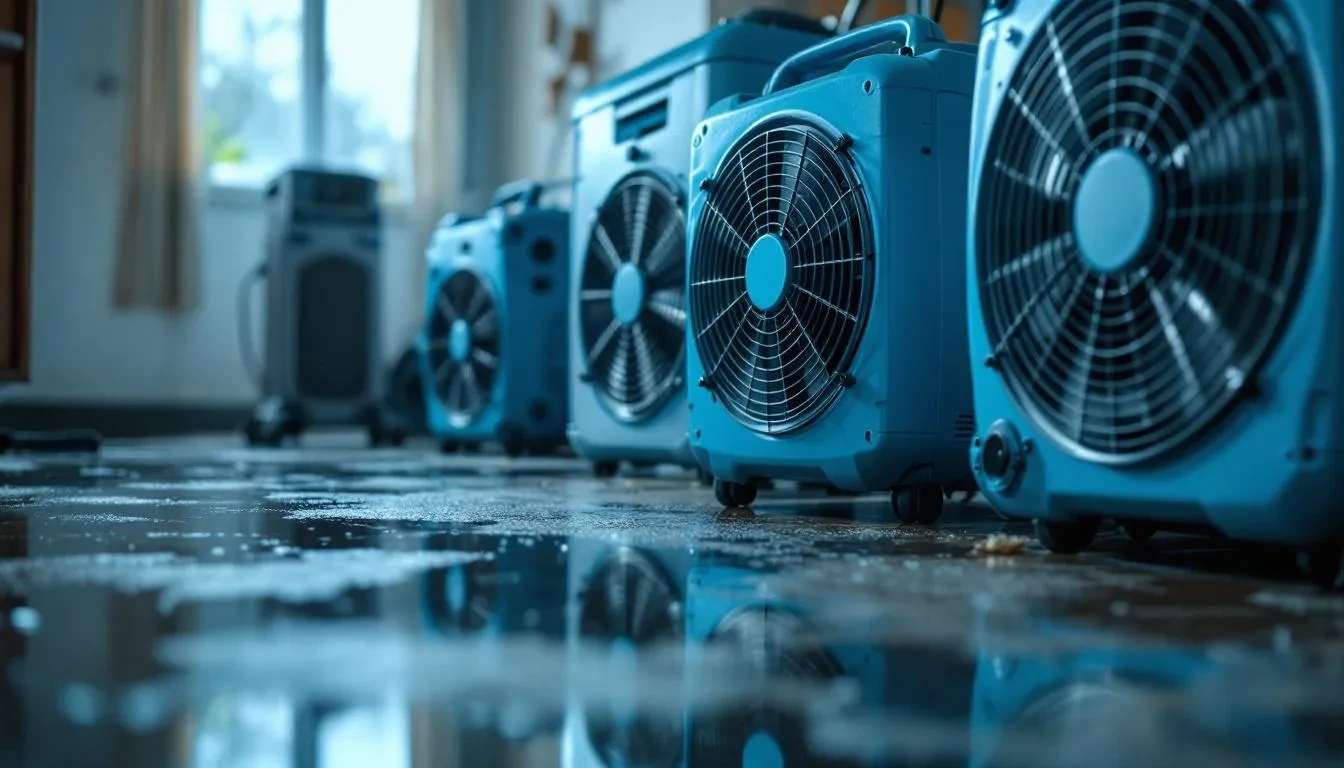
Catching water damage early is the single best way to prevent a small problem from becoming an expensive disaster. The common signs water damage is present in your walls are not always dramatic. Often, they start subtly.
1. Musty or Damp Odors
A musty smell that lingers even after cleaning is one of the earliest and most reliable signs of water damage. That odor comes from mold and mildew growing behind your walls — often before any visible damage appears. If a room in your home consistently smells damp, don’t ignore it.
2. Soft or Warped Wall Surfaces
Press gently on your drywall. It should feel firm and solid. If it feels soft, spongy, or bows inward even slightly, moisture has likely compromised the material behind the surface. This is especially common in bathrooms, kitchens, and laundry rooms.
3. Bubbling or Swelling Drywall
When drywall absorbs water, it swells. You may notice bubbles, ripples, or areas where the wall surface looks uneven. This is a clear early sign that water damage walls are already in progress.
4. Unexplained Increase in Water Bills
If your water bill spikes without an obvious reason, a hidden pipe leak inside a wall may be the culprit. Slow, steady leaks are particularly damaging because they saturate building materials over weeks or months.
Peeling Paint, Stains, and Discoloration: What Your Walls Are Telling You
Your walls communicate. You just need to know how to listen.
Peeling or Bubbling Paint
Peeling paint on interior walls — especially when there’s no obvious humidity source nearby — is a classic sign of water damage. Moisture pushes outward through drywall and breaks the bond between paint and the wall surface. Peeling paint near baseboards, window frames, or ceilings is particularly telling.
Yellow or Brown Water Stains
Discolored rings or patches on walls or ceilings are caused by minerals left behind as water evaporates. These stains confirm that water has passed through the wall material. Even if the stain appears dry, the damage behind it may still be active.
Distinguishing Cosmetic Damage from Structural Damage
Not every wall blemish signals a crisis. Old paint can peel from age. But here’s how to tell the difference:
- Cosmetic damage — Faded or chalky paint with no accompanying smell, softness, or staining. Surface-level only.
- Structural water damage — Staining paired with soft spots, peeling paint near plumbing or exterior walls, or a musty odor. This requires immediate professional attention.
Mold Growth Behind Walls: The Danger You Can’t Always See
Mold growth behind walls is one of the most serious consequences of untreated moisture. Mold can begin to colonize damp drywall, insulation, and wood framing within 24 to 48 hours of water exposure — a timeline that makes Tampa’s humid climate especially dangerous.
You may not see the mold directly, but you’ll often notice its effects. A persistent musty smell in a specific room, allergy-like symptoms that clear up when you leave the house, or dark spots appearing at the base of walls are all warning signs that mold growth may be behind the surface.
The EPA recommends that any suspected mold growth covering more than 10 square feet be assessed and remediated by a certified professional. At 911 Restoration Tampa, our mold remediation team uses containment, HEPA filtration, and certified removal protocols to eliminate mold safely and completely.
Common Causes of Water Damage in Tampa Bay Walls
Understanding the cause of water damage walls helps you address the problem at its source — not just the surface symptoms.
- Plumbing leaks: Pinhole leaks, failed pipe joints, and corroded supply lines inside walls are among the most common causes of hidden moisture.
- Roof damage: Missing shingles, cracked flashing, or damaged gutters allow rainwater to enter attic spaces and travel down interior walls.
- Window and door seal failures: Tampa’s intense sun degrades caulk and weatherstripping quickly. Failed seals allow wind-driven rain to penetrate wall cavities.
- Foundation and slab moisture: Many Tampa homes are built on concrete slabs. Ground moisture can wick upward into wall framing through the slab edge.
- HVAC condensation: Air conditioning systems that run nearly year-round in Tampa Bay can develop condensation issues inside walls, especially if ductwork is not properly sealed.
- Storm and flood damage: Hurricane season flooding and storm surge can saturate exterior walls and push water into interior spaces rapidly.
How Quickly Can Water Damage Your Home If Left Untreated?
Water damage can move fast. Here’s what happens when early signs are ignored:
- Within 24–48 hours: Drywall begins to absorb moisture and swell. Mold spores begin to colonize damp surfaces. Paint starts to separate.
- Within 1–2 weeks: Wood framing inside walls begins to warp or rot. Insulation becomes saturated and loses effectiveness. Mold colonies expand significantly.
- After 1 month: Structural integrity of wall framing may be compromised. Mold growth spreads to adjacent rooms. Remediation costs increase dramatically.
Cost of Waiting vs. Acting Early
A minor pipe leak caught early might cost $300–$800 to repair. The same leak discovered after two weeks of hidden damage — requiring drywall replacement, mold remediation, and structural drying — can easily exceed $5,000–$15,000. Addressing common signs water damage is present immediately is always the financially sound decision.
Using Technology to Detect Hidden Moisture in Walls
You don’t always have to open a wall to confirm water damage. Modern detection technology allows restoration professionals — and even prepared homeowners — to find hidden moisture without destructive testing.
Moisture Meters
A moisture meter is a handheld device that measures the moisture content inside drywall, wood, and other building materials. Readings above 16–17% in drywall typically indicate a problem. Basic pin-type moisture meters are available at hardware stores for $20–$50 and can help homeowners identify areas of concern before calling a professional.
Thermal Imaging (Infrared Cameras)
Thermal imaging cameras detect temperature differences in wall surfaces. Wet areas cool differently than dry areas, making moisture intrusion visible as color variations on the camera’s display. Our 911 Restoration Tampa technicians use professional-grade thermal cameras on every inspection to ensure no hidden damage is missed.
Homeowner DIY Detection Tips
- Use a flashlight held at an angle against the wall surface to reveal subtle bubbling or warping.
- Run your hand along baseboards — dampness or coolness near the floor can signal moisture rising from below.
- Check the inside of cabinets that share walls with plumbing for early signs of water damage.
What to Do When You Spot Signs of Water Damage
If you find signs of water damage in walls, take these steps immediately. Acting fast limits how much water damage can spread through your home.
Homeowner Triage Checklist
- Stop the water source if possible. Shut off the water supply valve nearest to the suspected leak. If the source is a roof or exterior intrusion during a storm, place towels or containers to collect dripping water temporarily.
- Document everything. Take photos and video of all visible damage before touching or moving anything. You will need this for your insurance claim.
- Do not disturb suspected mold. Disturbing mold without containment can spread spores throughout your home. Leave visible mold to certified professionals.
- Move valuables away from affected walls. Remove furniture, electronics, and personal items from the damaged area to prevent secondary damage.
- Improve airflow carefully. Open windows and doors if the outdoor humidity is lower than indoors. Do not point fans directly at a wall where mold may be present.
- Contact your homeowners insurance provider. Report the damage promptly. Many policies have time-sensitive requirements for filing claims after a water event.
- Call a certified water damage restoration company. Professional extraction, drying, and assessment should happen within hours — not days — to prevent mold growth.
Renter vs. Homeowner Responsibilities
If you rent your Tampa Bay home or apartment, report water damage signs to your landlord or property management company in writing immediately. In Florida, landlords are legally required to maintain rental properties in a habitable condition, which includes addressing water intrusion and mold. Document your communication. As a renter, your responsibility is to report — not to repair. However, if your personal belongings are damaged, your renters insurance policy may provide coverage.
Insurance Claim Guidance for Tampa Homeowners
Water damage tampa homeowners file insurance claims for is often covered under standard homeowners insurance — but the details matter. Sudden and accidental water damage (like a burst pipe) is typically covered. Gradual damage from a slow, long-term leak may be denied if an insurer determines the homeowner should have discovered it sooner. This is another reason why acting on early signs is so important. At 911 Restoration Tampa, we offer direct insurance billing and can work directly with your adjuster to document damage thoroughly and support your claim.
Signs of Water Damage in Walls: FAQs
Why is water damage appearing in my walls?
Wall water damage in Tampa homes is most often caused by plumbing leaks, roof damage, failed window or door seals, foundation moisture, or storm intrusion. Tampa Bay’s high humidity means that even minor moisture sources can quickly escalate into significant damage. A professional moisture inspection can identify the source accurately.
How can I tell if there is water damage behind my walls?
Look and listen for these indicators: a persistent musty smell, soft or spongy drywall, peeling paint or wallpaper, yellowish-brown stains, visible bubbling or warping, and unexplained spikes in your water bill. A moisture meter or thermal imaging inspection provides definitive confirmation without opening the wall.
Can wall water damage cause mold growth?
Yes — and it can happen very quickly. Mold growth begins within 24 to 48 hours of water exposure in warm, humid conditions like those found throughout Tampa Bay. Mold behind walls is a serious health hazard and a structural threat. It requires certified mold remediation, not just surface cleaning.
How quickly does water damage spread inside walls?
Water damage can spread rapidly. Drywall absorbs moisture within hours. Mold can take hold within 24–48 hours. Wood framing can begin to warp or rot within one to two weeks. The longer water damage goes unaddressed, the more extensive — and expensive — the restoration becomes.
Is wall water damage covered by homeowners insurance in Florida?
It depends on the cause. Sudden, accidental water damage from a burst pipe or storm event is typically covered under standard Florida homeowners insurance policies. Gradual leaks or damage attributed to deferred maintenance are often not covered. Review your policy carefully and report damage promptly. 911 Restoration Tampa provides direct insurance billing to make the claims process easier for Tampa Bay homeowners.
When should I call a professional water damage restoration company?
Call immediately when you notice any combination of warning signs: soft walls, visible staining, musty odors, or known water intrusion from a leak or storm. Do not wait to see if the problem resolves on its own — it will not. Water damage tampa restoration professionals at 911 Restoration Tampa are available 24 hours a day, 7 days a week, including holidays and hurricane season emergencies.
Don’t Wait — Hidden Water Damage Gets Worse Every Hour
If you’ve spotted any signs of water damage in walls throughout your Tampa Bay home, time is not on your side. Every hour that moisture remains inside your walls increases the risk of mold growth, structural deterioration, and a much larger restoration bill.
At 911 Restoration Tampa, our IICRC certified technicians are available 24/7 to respond to water damage emergencies across Tampa, Hillsborough County, and the broader Tampa Bay area. We bring professional moisture detection equipment, industrial drying systems, and years of experience handling the specific challenges Tampa’s climate creates. We also provide direct insurance billing so you can focus on your home — not paperwork.
Call 911 Restoration Tampa now for immediate, compassionate help. We’re here around the clock because water damage doesn’t wait — and neither should you.