

Mold in Tampa Bathrooms: Beat the Humidity Before It Beats Your Home
Mold in Tampa Bathrooms: Beat the Humidity Before It Beats Your Home
By 911 Restoration Tampa | IICRC Certified Mold Remediation Specialists | Serving Tampa Bay & Hillsborough County For local help, see Tampa mold removal.
If you live in Tampa Bay, you already know the humidity is relentless. Step outside in July and you feel it immediately — thick, heavy air that clings to everything. That same moisture doesn’t stay outside. It creeps into your home, and nowhere does it cause more trouble than your bathroom.
In our experience servicing Tampa Bay homes over the years, bathroom mold is one of the most common calls we receive — and one of the most preventable problems homeowners face. Yet it’s also one of the most misunderstood. Many people confuse mildew with serious mold growth. Others scrub the visible spots and assume the problem is solved. Unfortunately, in Tampa’s climate, that approach rarely works for long.
This guide will walk you through exactly why Tampa bathrooms are so vulnerable, what warning signs to look for, how to control indoor humidity, and when it’s time to call in a professional mold remediation team. Let’s get into it.
Why Tampa’s Humidity Makes Bathrooms a Mold Magnet
Tampa sits in one of the most humid regions in the entire United States. Outdoor relative humidity regularly hovers between 70% and 90%, especially during the rainy season from June through September. The EPA recommends keeping indoor humidity levels between 30% and 50% to prevent mold growth. In Tampa Bay, maintaining that range is a daily battle.
Your bathroom is already the wettest room in your home by design. Add Tampa’s outdoor air constantly pushing moisture inside — through doors, windows, HVAC returns, and even wall gaps — and you have a perfect storm for mold spores to thrive.
Tampa’s Seasonal Humidity Calendar and Your Bathroom
Understanding the seasonal rhythm helps you stay ahead of the problem:
- June–September (Rainy Season): Daily afternoon storms dump inches of rain. Humidity can stay above 80% for weeks. Bathroom moisture levels spike dramatically, especially in homes with poor ventilation.
- October–November (Transition): Humidity drops slightly but remains elevated. Mold established during rainy season continues to spread.
- December–February (Mild Season): Lower outdoor humidity, but closed windows and heating create condensation cycles indoors. Mold growth can slow but rarely stops.
- March–May (Pre-Summer): Humidity climbs quickly. Bathrooms that weren’t dried out properly over winter become mold hotspots again.
Tampa’s Building Construction Adds a Hidden Problem
Many Tampa Bay homes were built using concrete block and stucco construction — materials common to Florida building codes. Unlike wood-framed walls in other regions, concrete block absorbs and retains moisture differently. When water penetrates the exterior stucco or seeps through foundation slabs (common in Hillsborough County), it can wick moisture directly into bathroom walls from the outside in. This means your bathroom can develop a moisture problem even when no pipe has leaked and no faucet has dripped.
How Mold Growth Starts in Tampa Bathrooms
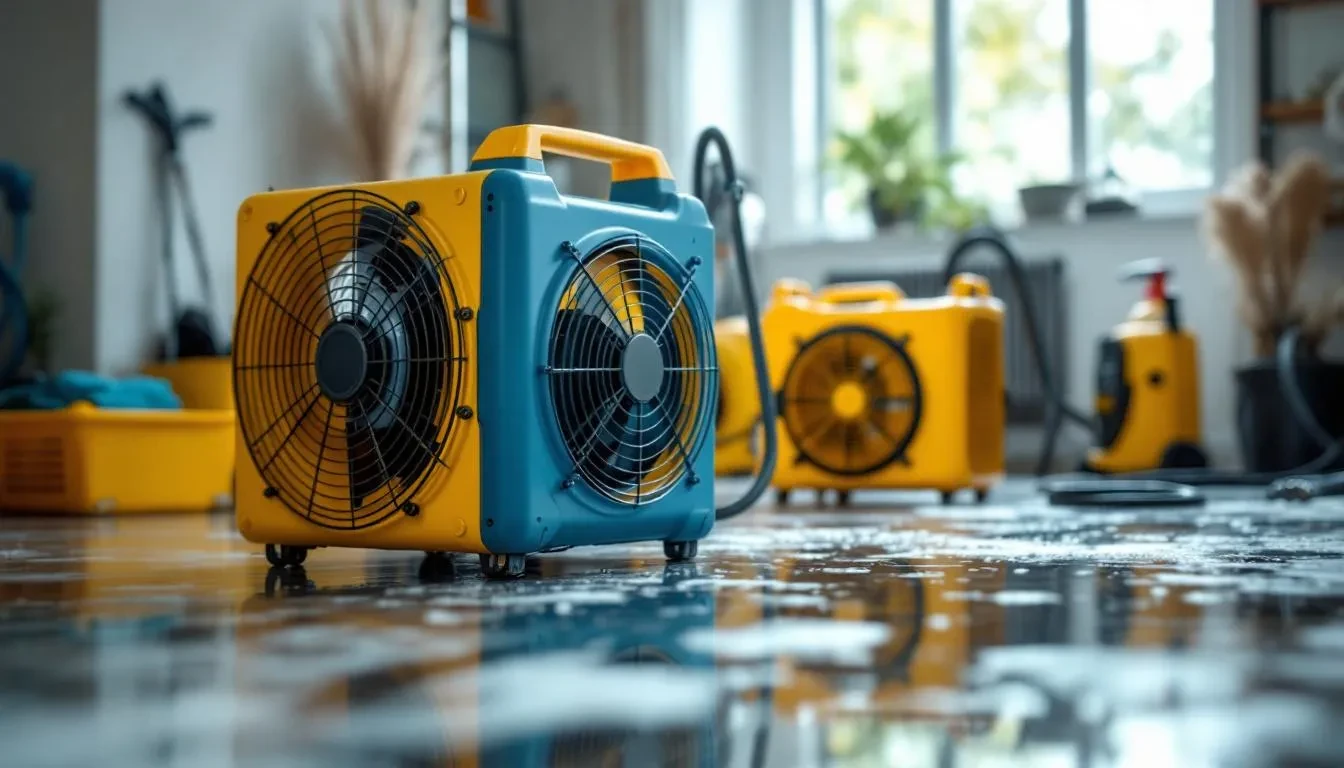
Mold is always present in the air as microscopic mold spores. Those spores are harmless — until they land on a wet surface and start to colonize. In your bathroom, that process can begin in as little as 24 to 48 hours after a moisture event.
The Most Common Moisture Sources
- Steam from showers and baths that isn’t properly exhausted
- Leaking faucets, supply lines, or toilet bases
- Water damage from a burst pipe or roof leak overhead
- Condensation on cold water pipes inside vanity cabinets
- Poor door and window seals allowing outdoor humid air inside
Bathroom-Specific Mold Hotspots Competitors Don’t Warn You About
Generic mold articles talk about “wet surfaces.” We want to be more specific, because in our work across Tampa homes, the mold hides in very predictable places:
- Grout lines between tiles: Porous grout absorbs moisture and biological material from soap and skin. It’s one of the first places mold colonizes.
- Caulk around the tub and shower: Old or cracked caulk allows water to penetrate behind tiles. Mold growing behind the wall is far more serious than surface mold.
- Ceiling corners: Hot steam rises and collects in corners where air movement is weakest. Black or gray discoloration in ceiling corners is a major warning sign.
- Under-sink cabinets: Slow drip leaks under vanities often go unnoticed for months. The dark, enclosed space is ideal for mold growth.
- Behind and under toilet bases: A weeping wax ring or condensation on a cold porcelain tank can keep flooring perpetually damp.
- Behind drywall near shower surrounds: If water has ever breached the tile or caulk, mold may be growing inside the wall cavity — invisible from the outside.
Warning Signs of Mold in Your Bathroom
Knowing what to look — and smell — for can help you catch a mold problem early, before it becomes a costly remediation project.
Visual Signs
- Black, green, or gray spots on grout, caulk, ceilings, or walls
- Discoloration or bubbling paint on bathroom walls or ceiling
- Warped or stained baseboards at floor level
- Dark staining under the vanity or inside cabinets
Non-Visual Signs
- A persistent musty or earthy odor that doesn’t go away after cleaning
- Family members experiencing increased allergy symptoms, respiratory irritation, or headaches specifically at home
- Visible water stains on the ceiling (especially if the bathroom is on a lower floor)
- Peeling wallpaper or tile that seems to be losing adhesion
If you notice any of these signs, don’t wait. Mold spreads quickly in Tampa’s climate, and what starts as a small bathroom problem can migrate into adjacent walls, sub-flooring, and HVAC ductwork.
How to Control Indoor Humidity and Prevent Mold
Prevention is always less expensive than remediation. Here is a step-by-step DIY humidity control checklist tailored specifically to Tampa Bay homeowners:
Tampa Bay Bathroom Humidity Control Checklist
- Run the exhaust fan every shower, every time. Turn it on before you start and leave it running for at least 20–30 minutes after you finish. If your fan is more than 10 years old, it may no longer move adequate air — replace it.
- Check your exhaust fan venting. Many older Tampa homes have exhaust fans that vent into the attic rather than outside. This dumps moisture directly into your attic, causing a second mold problem. Confirm your fan vents to the exterior.
- Wipe down shower walls after use. A simple squeegee takes 30 seconds and removes a significant amount of residual water before it evaporates into the air.
- Inspect and replace caulk annually. In Tampa’s heat and humidity, caulk degrades faster than in cooler climates. Check for cracks, gaps, or discoloration every year.
- Keep a dehumidifier running in humid months. A portable dehumidifier in a bathroom without a window is highly effective. Target indoor humidity levels of 45–50%.
- Open windows on low-humidity days. During Tampa’s dry winter months, take advantage of lower outdoor humidity by ventilating naturally.
- Check under sinks monthly. Look for drips, soft spots in the cabinet floor, or musty odors. Early detection saves thousands.
- Consider mold-resistant materials for upgrades. If you’re renovating your Tampa bathroom, choose mold-resistant drywall (such as cement board near wet areas), epoxy grout, and antimicrobial caulk. These products perform significantly better in Florida’s climate.
The Role of Your HVAC System in Mold Prevention
Your HVAC system is your most powerful weapon against indoor humidity — and one of the most neglected. In Tampa Bay, air conditioning isn’t just about comfort. It’s a year-round moisture management system.
How Your HVAC System Affects Bathroom Mold
A properly functioning air conditioner removes moisture from the air as it cools your home. When your HVAC system is undersized, poorly maintained, or malfunctioning, it loses that dehumidification capacity. Indoor humidity levels climb, and bathroom mold follows closely behind.
- Change your air filter every 30–60 days during Tampa’s rainy season. A clogged filter reduces airflow and dehumidification efficiency.
- Schedule annual HVAC maintenance before the rainy season begins. A technician can check refrigerant levels, clean coils, and verify that your system is removing adequate moisture.
- Check your condensate drain line twice a year. A clogged drain line causes water to back up inside the air handler, creating a mold risk within your HVAC system itself — and spreading mold spores throughout every room in your home.
- Consider a whole-home dehumidifier if your AC struggles to keep up during peak humidity months. Many Tampa Bay homeowners find these systems dramatically reduce bathroom mold problems.
If your HVAC ductwork passes through or near your bathroom and there are any leaks or gaps, humid air can enter your living areas directly. This is especially relevant in Hillsborough County homes built before 2000, where duct sealing was not always to modern standards.
Health Risks of Bathroom Mold in Tampa Homes
This isn’t just a cosmetic problem. The CDC and EPA both recognize that mold exposure can cause serious health effects, particularly for vulnerable populations.
Common health effects associated with mold exposure include:
- Nasal and sinus congestion
- Eye, throat, and skin irritation
- Coughing and wheezing
- Aggravated asthma symptoms
- Headaches and fatigue
Children, the elderly, and individuals with compromised immune systems or pre-existing respiratory conditions face the greatest health risks. According to the EPA’s mold guidelines, mold should never be ignored in a living environment, and professional assessment is recommended when mold covers more than 10 square feet or when it is suspected inside walls or HVAC systems.
In our experience serving Tampa Bay families, we frequently see mold-related health symptoms resolve after a thorough professional remediation — confirmation that the mold in the home was the underlying cause.
When to Call a Professional Mold Remediation Service
DIY cleaning with bleach-based products can address very small areas of surface mold. But there are clear situations where you need to protect your home by calling a certified professional:
- Mold covers more than 10 square feet
- You suspect mold is growing inside walls or under flooring
- Mold has returned after multiple DIY cleaning attempts
- Any household member is experiencing mold-related health symptoms
- You’ve had a water damage event (burst pipe, flooding, roof leak) and didn’t fully dry out the space within 48–72 hours
- You smell mold but cannot locate its source
Professional Mold Testing and Remediation
A qualified team will begin with mold testing to identify the species and extent of contamination, followed by containment, removal, treatment of affected surfaces, and clearance testing to confirm the space is clean. IICRC-certified technicians follow industry-standard protocols that ensure the mold is eliminated — not just covered up.
Cost of Remediation vs. Ignoring the Problem
Professional mold remediation for a Tampa bathroom typically ranges from $500 to $3,000+, depending on the extent of the problem. Ignoring it rarely saves money. Mold that spreads from a bathroom into adjacent walls, sub-flooring, or HVAC systems can turn a $800 job into a $10,000+ structural restoration project. Acting early is almost always the right financial decision.
Insurance Considerations for Florida Homeowners
Florida homeowner’s insurance policies vary significantly in their mold coverage. In general, mold remediation is covered when it results directly from a covered water damage event — such as a sudden pipe burst. Mold caused by long-term neglect, humidity, or gradual leaks is frequently excluded. Document everything: take photos, save receipts, and call your insurer promptly after any water damage event. Our team at 911 Restoration Tampa offers direct insurance billing and can help you navigate the claims process from day one.
For guidance specific to Hillsborough County, the Hillsborough County Health Department provides resources on indoor air quality and mold-related health concerns for Florida residents.
Frequently Asked Questions About Bathroom Mold in Tampa
What humidity level causes mold to grow in Tampa bathrooms?
Mold growth begins when relative humidity stays above 60% consistently, and accelerates rapidly above 70%. Since Tampa’s outdoor humidity regularly reaches 80–90% during the rainy season, indoor humidity in bathrooms without adequate ventilation can easily exceed these thresholds. The EPA recommends keeping indoor humidity between 30% and 50%. Use a digital hygrometer (available for under $15) to monitor your bathroom’s humidity level throughout the year.
How do I know if I have mold or just mildew in my bathroom?
Mildew is a surface fungus — typically gray or white and powdery — that sits on top of surfaces and is relatively easy to clean. Mold tends to be darker (black, green, or brown), has a fuzzy or slimy texture, and can penetrate porous materials like grout, drywall, and wood. If your discoloration scrubs off easily and doesn’t return, it’s likely mildew. If it returns quickly, has a strong odor, or appears inside cabinet spaces or ceiling corners, you’re probably dealing with mold and should consider professional mold testing.
Can I remove bathroom mold myself or do I need a professional in Tampa?
For small areas of surface mold — less than 10 square feet — on non-porous surfaces like tile, DIY cleaning with an EPA-registered mold cleaner can be effective. However, if mold appears in grout, caulk, drywall, or ceiling material, or if it returns after cleaning, professional remediation is the safer and more effective choice. Tampa’s humidity means surface cleaning rarely addresses the underlying moisture problem that’s feeding the mold.
How often should Tampa homeowners inspect their bathrooms for mold?
We recommend a monthly visual inspection for Tampa Bay homeowners, with a more thorough check — including opening under-sink cabinets and examining ceiling corners — at the start and end of the rainy season (June and October). Given Tampa’s year-round humidity, this is not an annual task. Catching mold early, before it spreads, is always significantly less expensive than dealing with an established colony.
Does Tampa’s rainy season make bathroom mold worse?
Absolutely. During Tampa’s rainy season from June through September, outdoor humidity is at its highest, and daily rainfall keeps moisture levels elevated around the clock. Your bathroom’s ability to dry out between uses is dramatically reduced. Mold spores that might otherwise die on a dry surface find abundant moisture to grow during these months. This is the highest-risk period for bathroom mold development in Tampa Bay homes, and ventilation and dehumidification habits matter most during this window.
Will my homeowner’s insurance cover mold remediation in Florida?
It depends on the cause. Florida homeowner’s insurance typically covers mold remediation when it results from a sudden, accidental water damage event that is itself covered — like a burst pipe or an appliance failure. Mold that develops from ongoing leaks, condensation, or high indoor humidity without an underlying covered event is usually excluded. Always report water damage to your insurer immediately and document everything. 911 Restoration Tampa works directly with insurance companies and can help guide you through the claims process.
How long does professional mold remediation take for a Tampa bathroom?
A bathroom-only mold remediation with no structural involvement typically takes one to three days. This includes containment setup, removal of affected materials, antimicrobial treatment, drying, and clearance testing. If mold has spread into wall cavities, sub-flooring, or adjacent areas, the timeline extends accordingly. Our IICRC-certified team at 911 Restoration Tampa responds 24/7 and works efficiently to restore your bathroom and get your household back to normal as quickly as possible.
Protect Your Home — Call 911 Restoration Tampa Today
Bathroom mold in Tampa isn’t just an annoyance — it’s a health risk, a property damage threat, and a problem that gets worse the longer it’s ignored. Tampa Bay’s unique combination of humidity, rainfall, and building construction makes every bathroom in Hillsborough County vulnerable.
At 911 Restoration Tampa, our IICRC-certified technicians have helped hundreds of Tampa Bay homeowners identify, remediate, and prevent bathroom mold. We respond 24 hours a day, 7 days a week, because water damage and mold don’t wait for business hours. We handle direct insurance billing to take the stress out of the claims process, and we treat every home as if it were our own.
Don’t let humidity win. Contact 911 Restoration Tampa today for a professional mold inspection, expert mold remediation services, or emergency water damage response anywhere in Tampa, Tampa Bay, and Hillsborough County. Call us now or request a free assessment online — and let us help you protect your home before a small problem becomes a big one.
Latest Posts
Contact Us
For Advice
Need help? Talk to an expert
(813) 261-1525