

How Long Does Mold Remediation Take? | Tampa
How Long Does Mold Remediation Take? | Tampa
The short answer: mold remediation in Tampa typically takes 1 to 7 days, depending on the size of the affected area, the severity of contamination, and how quickly moisture was controlled. Small, contained mold growth in a single room may be resolved in 24 to 48 hours. Larger infestations involving multiple rooms, structural materials, or ongoing water damage can stretch the process to a full week or more. Read on for a complete breakdown of what affects the timeline — and what Tampa’s unique climate means for your home. For local help, see professional mold cleanup.
Reviewed by the certified remediation team at 911 Restoration Tampa — IICRC-certified specialists serving Hillsborough County and the greater Tampa Bay area.
How Long Does Mold Remediation Take? A Quick Answer
For most Tampa homeowners, professional mold remediation takes between 1 and 7 days from the start of active work. Here is a general breakdown by scope:
| Affected Area | Severity | Estimated Timeline | Estimated Cost Range |
|---|---|---|---|
| Under 10 sq ft | Minor (surface only) | 1 day | $500 – $1,500 |
| 10 – 100 sq ft | Moderate | 1 – 3 days | $1,500 – $4,000 |
| 100 – 300 sq ft | Significant | 3 – 5 days | $4,000 – $8,000 |
| 300+ sq ft | Severe / Structural | 5 – 7+ days | $8,000 – $20,000+ |
These timelines assume that the moisture source has already been identified and addressed. In Tampa’s humid subtropical climate, active moisture intrusion can significantly extend any remediation project.
Factors That Affect Mold Remediation Timelines
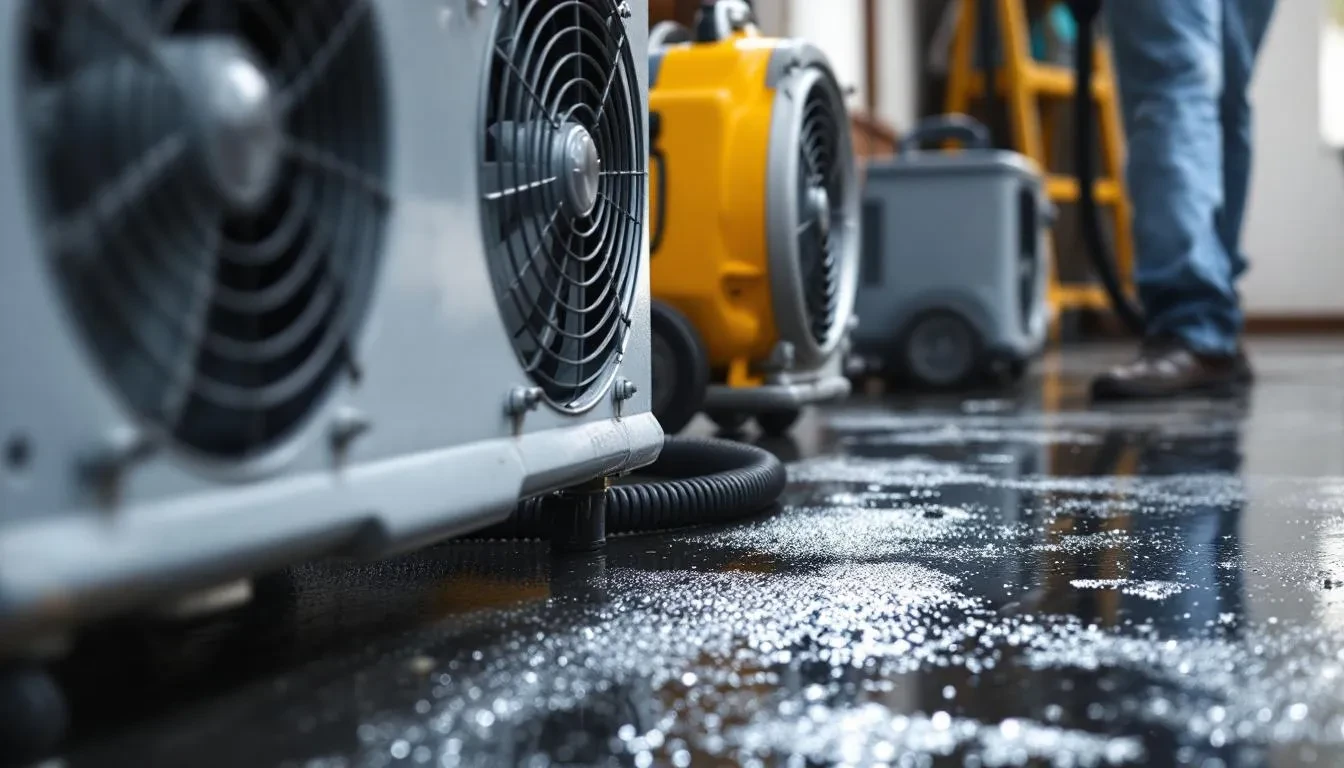
No two mold jobs are exactly alike. Several key factors determine how long remediation will take in your home.
Size and Location of the Mold Growth
The most obvious factor is how much surface area mold has colonized. A small patch behind a bathroom cabinet is far easier to address than mold that has spread across wall cavities, under flooring, or into your HVAC system. When mold grows inside air ducts, it can spread contamination throughout the entire home, requiring a full system cleaning that adds days to the process.
Type of Materials Affected
Porous materials like drywall, insulation, carpet, and wood absorb moisture deeply and often cannot be fully cleaned. These materials typically must be removed and replaced, which extends the timeline. Non-porous surfaces like tile or sealed concrete are much faster to clean and restore.
Tampa’s Climate and Humidity
This is a critical factor that most remediation guides overlook. Tampa, Florida averages around 74% relative humidity — one of the highest in the continental United States. That persistent ambient moisture means mold can begin growing on wet materials in as little as 24 to 48 hours. It also means that even after cleaning, if the home is not properly dried and dehumidified, mold growth can return within days. Our team accounts for Tampa’s climate by running industrial dehumidifiers throughout the remediation process and monitoring moisture levels with calibrated meters before clearing any job.
Underlying Water Damage
Mold is almost always the result of water damage — a leaking pipe, a flooded bathroom, storm intrusion, or a roof leak. If water damage is still active or if structural materials are saturated, the drying phase must be completed before remediation cleaning can even begin. This can add 2 to 5 additional days to the overall timeline.
How Long the Mold Has Been Growing
Mold that has been growing for weeks or months is far more deeply embedded in materials than mold caught within the first day or two after a water event. Early detection is one of the most powerful ways to shorten the remediation timeline and reduce cost.
The Mold Remediation Process Step by Step

Understanding what happens during professional mold remediation helps homeowners plan and set realistic expectations.
Step 1: Inspection and Assessment (Hours 1 – 4)
A certified technician performs a thorough visual inspection and uses moisture meters and thermal imaging to detect hidden mold and moisture behind walls and under floors. This assessment determines the scope of the project and informs the remediation plan.
Step 2: Containment Setup (Hours 2 – 6)
To prevent mold spores from spreading to unaffected areas, our team installs physical containment barriers using heavy plastic sheeting and negative air pressure machines. This is a critical step that many DIY attempts skip — and it is a major reason professional mold remediation produces lasting results.
Step 3: Air Filtration (Ongoing)
HEPA air scrubbers are placed throughout the work area to filter mold spores from the air continuously during the remediation process. This protects both the technicians and any remaining occupants of the home.
Step 4: Mold Removal and Material Demolition (Days 1 – 3)
Contaminated porous materials are carefully removed, bagged, and disposed of according to industry and local Tampa guidelines. Non-porous surfaces are scrubbed and treated with EPA-approved antimicrobial solutions. This is the core of mold removal work.
Step 5: Drying and Dehumidification (Days 1 – 5)
Industrial drying equipment removes residual moisture from the structure. In Tampa’s humid environment, this step takes longer than in drier climates. Moisture readings must reach target levels before the job can progress.
Step 6: Cleaning and Restoration (Days 3 – 7)
Once the structure is dry and clean, restoration work begins. This may include replacing drywall, insulation, flooring, and painting. Damage restoration is the final phase that returns your home to its pre-loss condition.
Step 7: Post-Remediation Air Quality Testing (Days 1 – 3 after clearance)
After all physical remediation is complete, a third-party industrial hygienist or our certified team performs clearance testing. Air samples are collected and analyzed to confirm that mold spore counts have returned to normal, safe levels. According to the EPA’s mold cleanup guidelines, successful remediation means the mold problem is fixed and visible mold and moldy odors are no longer present. Test results typically take 24 to 72 hours to return from the laboratory, so factor this into your overall timeline planning.
How Long Does Mold Remediation Take for Different Home Areas?
Bathroom Mold
Small bathroom mold confined to grout, caulk, or a small section of drywall: 1 to 2 days. If mold has spread behind tile or into wall cavities due to a slow leak: 3 to 5 days.
Basement or Crawl Space Mold
Tampa homes with crawl spaces are especially vulnerable. Mold in crawl spaces often covers large surface areas and requires encapsulation work after remediation: 3 to 7 days.
Attic Mold
Attic mold typically results from roof leaks or inadequate ventilation. The size of the attic and volume of affected decking and rafters determines the timeline: 2 to 5 days.
HVAC and Air Ducts
Mold inside your air system is a serious contamination concern because the system spreads spores throughout the home every time it runs. Full duct cleaning and treatment: 1 to 3 days as a standalone service, longer if combined with structural remediation.
Whole-Home or Multi-Room Contamination
Severe contamination affecting multiple rooms or levels of the home, often following major flooding: 7 days or more, sometimes requiring temporary relocation.
Warning Signs That Remediation Will Take Longer Than Expected
- The moisture source has not been repaired. Mold cannot be fully remediated if water is still entering the property.
- Mold is growing inside wall cavities. Hidden mold requires demolition to access and treat, adding time and cost.
- There is a strong, persistent musty odor. This often signals a larger colony than what is visible on the surface.
- The mold has been present for more than 30 days. Deeply embedded mold requires more aggressive treatment and material removal.
- Multiple mold species are present. Some species, like Stachybotrys (black mold), require additional precautions that extend the process.
- You are in Tampa Bay’s rainy season. Elevated ambient humidity and ongoing storm moisture slow drying times significantly.
What Happens If You Delay Mold Remediation in Tampa?
In Tampa’s climate, delay is costly. Mold can double its colony size within 24 to 48 hours under the right conditions. Every day remediation is postponed, the contamination spreads further into building materials, the air quality in your home worsens, and the final cost of restoration increases. Homeowners who wait weeks after discovering mold often find that what could have been a two-day job has grown into a week-long structural project. Our team strongly urges Tampa Bay homeowners to call for a mold inspection at the first sign of water damage or musty odors.
Mold Removal vs. Mold Remediation: Understanding the Difference
These two terms are often used interchangeably, but they are not the same thing. Mold removal refers specifically to the physical act of eliminating mold from surfaces and materials. Mold remediation is the complete process — including inspection, containment, removal, cleaning, drying, and post-clearance testing — that addresses both the mold and the underlying conditions that caused it. True professional mold remediation does not just clean what you can see; it eliminates the root cause and verifies with testing that the air quality is safe before the job is closed.
Insurance Guidance for Tampa Homeowners
Many Tampa homeowners are surprised to learn that mold remediation may be covered by their homeowner’s insurance — but only under specific circumstances. Coverage is typically available when mold is a direct result of a covered water damage event, such as a burst pipe or appliance leak. Mold resulting from long-term neglect, flooding from external sources, or gradual leaks is often excluded. 911 Restoration Tampa works directly with all major insurance carriers and provides detailed documentation, photo evidence, and moisture logs to support your claim. Our direct insurance billing service removes the burden from you during an already stressful time.
Why Tampa Homeowners Trust 911 Restoration for Mold Removal
911 Restoration Tampa has served Hillsborough County and the greater Tampa Bay area for years, completing mold remediation services on hundreds of local properties. Our technicians hold IICRC certification (Institute of Inspection Cleaning and Restoration Certification), the gold standard credential in the restoration industry. We are also fully licensed and insured to operate in the State of Florida as required for contractor-level remediation work.
We answer emergency calls 24 hours a day, 7 days a week, and our rapid response team can typically arrive at your Tampa home within 45 minutes of your call. Fast response is not just a convenience — in Tampa’s humid environment, it is the single most effective way to prevent mold growth from escalating after a water damage event.
“After a pipe burst under my kitchen sink, I called 911 Restoration Tampa in a panic. They were at my house within the hour, set up containment, and had everything dried out and cleared within three days. The mold never had a chance to spread. I cannot recommend them enough.” — Verified Tampa Bay homeowner review
Frequently Asked Questions About Mold Remediation in Tampa
How long does mold remediation take on average?
On average, professional mold remediation takes 1 to 7 days for most residential properties. Small, surface-level mold growth in one area can be resolved in a single day. Larger infestations involving structural materials, multiple rooms, or HVAC contamination typically require 5 to 7 days or longer. Post-remediation air quality testing adds an additional 1 to 3 days for results to return from the laboratory before a clearance certificate is issued.
How long does mold remediation usually take for a small area versus a large one?
A small mold problem — defined by the EPA as less than 10 square feet — can often be addressed in a single workday. Medium-sized contamination areas of 10 to 100 square feet typically take 1 to 3 days. Large-scale contamination covering 100 square feet or more, or mold that has penetrated structural materials, can take 5 to 7 days or more. In Tampa’s climate, add extra drying time to any estimate, particularly during the summer rainy season.
Does mold remediation take longer after water damage?
Yes, almost always. When mold remediation follows water damage, the structure must first be fully dried before cleaning and treatment can be completed effectively. This drying phase typically adds 2 to 5 days to the overall timeline, depending on how saturated the materials are and the ambient humidity conditions in your Tampa home. Our team runs industrial-grade drying equipment continuously and monitors moisture levels daily to move through this phase as efficiently as possible.
Can I stay in my home during mold remediation in Tampa?
It depends on the scope of the contamination. For small, contained mold growth in a single room, it is often safe to remain in other areas of the home while work is in progress. For larger infestations — particularly those involving airborne contamination, toxic mold species, or widespread structural work — temporary relocation may be recommended for the health and safety of your family. Our team will give you a straightforward recommendation based on the specific conditions in your home after the initial inspection.
How long after remediation before mold can return if moisture is not fixed?
In Tampa’s humid environment, mold can begin regrowing within 24 to 48 hours if the underlying moisture problem has not been corrected. This is why fixing the water source — whether it is a leaking pipe, poor ventilation, storm intrusion, or high humidity — is non-negotiable before any remediation work begins. Remediation without moisture control is a temporary fix at best. Our team always identifies and confirms the moisture source has been resolved before closing any job.
What happens during post-remediation testing and how long does it add to the timeline?
After all physical remediation work is complete, post-remediation verification testing confirms that mold spore levels in the air have returned to normal, safe concentrations. A certified inspector collects air samples from inside the remediated area and from outside the home as a baseline comparison. Samples are sent to an accredited laboratory for analysis. Results typically take 24 to 72 hours to return. If the results pass, a clearance certificate is issued and the job is officially closed. If levels are still elevated, additional cleaning is performed and testing is repeated.
How soon can 911 Restoration of Tampa start mold remediation after I call?
Our team is available 24 hours a day, 7 days a week, including weekends and holidays. We prioritize emergency response and aim to have a certified technician at your Tampa property within 45 minutes of your call. Initial inspection and containment can begin on the same visit. For non-emergency situations, we schedule inspections as quickly as possible, typically within the same business day. Do not wait — in Tampa’s climate, every hour matters when mold is present.
Contact 911 Restoration Tampa Today
If you have discovered mold in your Tampa Bay home — or if you have recently experienced water damage and want to prevent mold growth before it starts — do not wait. 911 Restoration Tampa is available right now, 24/7, to respond to your emergency. Our IICRC-certified team will assess your property, explain your options clearly, and begin expert mold remediation services as quickly as possible. We handle direct insurance billing so you can focus on your family, not the paperwork.
Call 911 Restoration Tampa now for immediate assistance. We serve all of Tampa, Hillsborough County, and the Tampa Bay area — day and night.
Latest Posts
Contact Us
For Advice
Need help? Talk to an expert
(813) 261-1525