

28
Aug
Understanding Water Damage Restoration Cost Tampa Prices
Water Damage Restoration Cost in Tampa Explained
Here are the key things to know about water damage restoration costs in Tampa:
- The final price you pay for water damage restoration depends on how bad the damage is and what kind of water caused it.
- The cost also goes up or down based on the size of the area that has water damage and if you need emergency services.
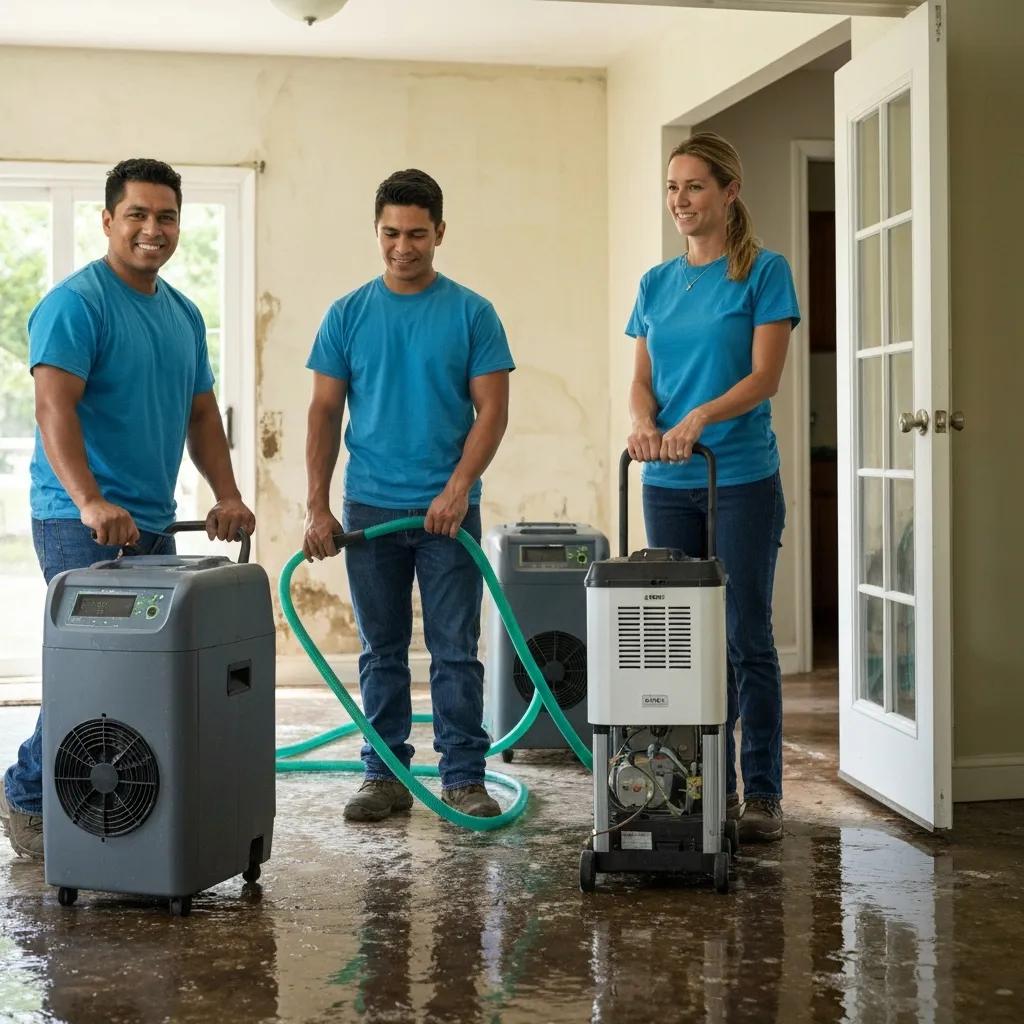
- The restoration process has parts like water extraction, drying everything out, and sometimes mold remediation. Each part has its own cost.
- Problems like black water and flood damage often mean the restoration costs will be higher because of health risks.
- If you take quick action after water damage, you can help lower costs by stopping further damage and mold growth.
Introduction
Dealing with water damage in your Tampa home can really make you feel stressed out. It’s not just about cleaning up. Many people also worry a lot about how much it will cost. The first step to handle this is knowing what can make water damage restoration costs go up or down. This helps you get ready for what might happen and keep spending under control. This guide tells you about what you may pay, from fixing small leaks to cleaning up big floods. You will get a clear idea of what to expect in the water damage restoration process. For local help, see water damage restoration in Tampa.
Key Factors That Affect Water Damage Restoration Costs in Tampa
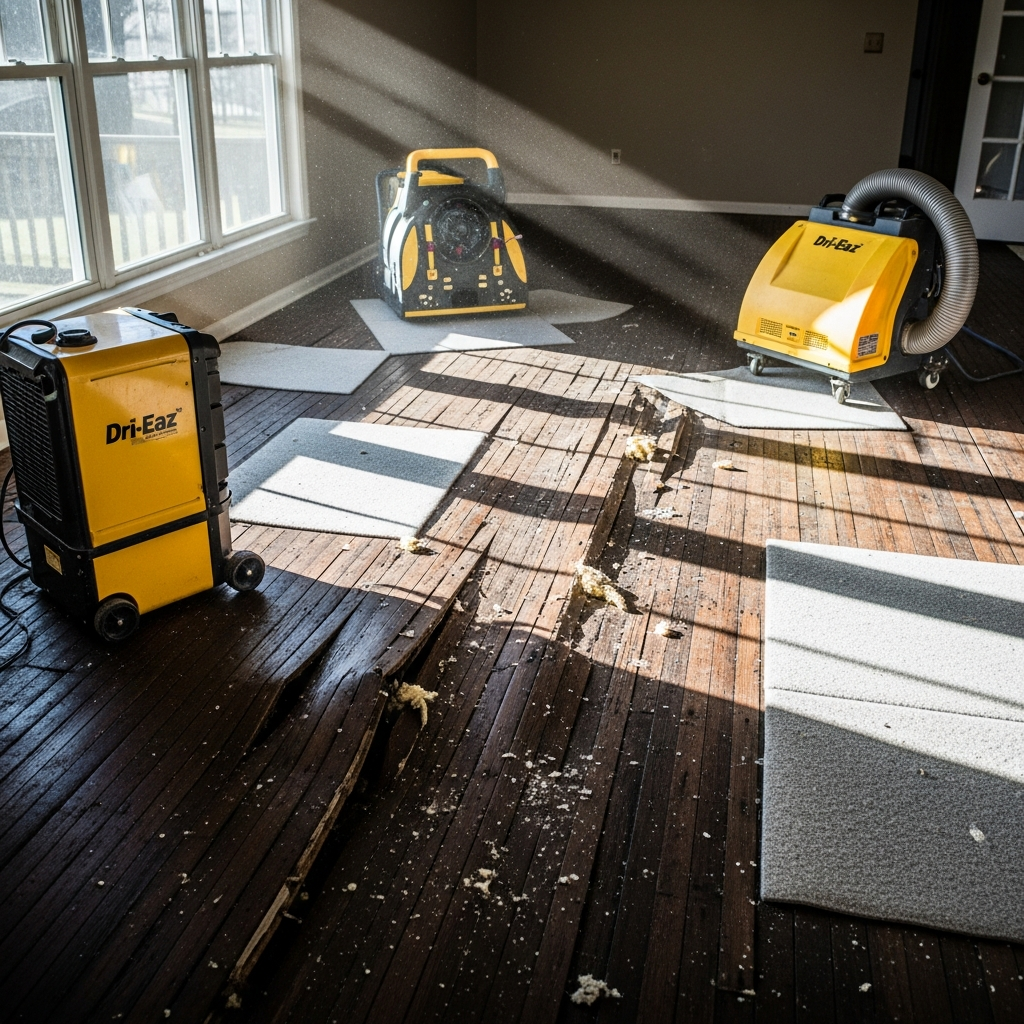
When disaster strikes your Tampa property, there are some key factors that decide the final bill for water damage restoration. The cost of water damage restoration can change a lot. It depends on the extent of the damage, the size of the affected area, and the type of water—like clean water, gray water, or black water.
The need for emergency services will raise the remediation cost. If you need fast water extraction, the cost will likely go up. The length of time water has been sitting in your place can also lead to more damage. This includes mold growth and structural issues, and fixing these problems is going to add to the final bill. Let’s look at these key factors more closely.
Type and Source of Water Damage
The source of the water damage plays a big role when figuring out restoration costs. If the damage comes from a burst pipe with clean water, it is less risky for health and often costs less to fix than other types of water problems. Clean water does not cause much harm at first, but you should still act fast to stop further damage.
Gray water is a type of water that comes from tools like washing machines or dishwashers. This water is a little dirty and brings some health risks. So, it takes more time, work, and cleaning to make things safe again, which raises the price of water damage repair.
Black water damage is the most serious and costly type of water damage. This comes from places like sewage backups or flooding. Black water has many germs and is very dangerous for health. Removing this water calls for special tools and steps. This is needed to get the property back to its original condition, so the total cost can be much higher for water removal and restoration.
Size and Scope of the Affected Area
The size of the affected area is another big thing that can change your bill. If you have a small leak in just one room, it will cost less to fix than a flood that covers the whole floor of your home. People often figure out the cost per square foot. The bigger the area, the more you will pay for water extraction and drying.
The restoration process also depends on what has been damaged in that space. If water is only on the surface of the floor, you may need just minor repairs. If the water gets into the subfloor, walls, or insulation, things can get more complicated.
When there is extensive damage, you might need demolition, structural repairs, or mold remediation. These things can make your bill higher. When you take care of water problems fast, you can keep them from spreading, so you don’t have a bigger and more costly issue later.
Category of Water Contamination
The type of water contamination you have will affect both how risky it is for your health and how much you will pay to fix the water damage. There are three main types of water contamination to know about.
Category 1 is “clean water.” This kind of water comes from things like a broken water line. It does not pose a big health risk at first. But, if this water sits for some time, it can pick up germs or dirt and become less safe.
Category 2 is called “gray water.” This type of water is dirty. It can come from places like a washing machine that overflows or from a dishwasher that leaks. If you drink this water, it can make you sick. So, cleaning up this kind of water damage takes more care, which means special steps and supplies are needed in water remediation.
Category 3 is known as “black water.” This is the most dangerous type of water and comes from sewage backups or river flooding. Black water is very dirty and can have germs and bad bacteria that could harm your health. Cleaning up after black water damage needs to happen right away. The people who do water restoration must wear the right protective gear and do deep cleaning. This type of work costs the most money because of the higher health risks and the extra steps to get things safe and clean again.
Average Cost Ranges for Water Damage Restoration in Tampa
So, what does the average cost of water damage restoration in Tampa look like? While every job is not the same, most people who own a home usually spend between $1,362 and $6,286. The national average cost is about $3,824. Please remember, this is a general price range, and your final cost of water damage remediation will depend on the key factors in your case.
The extent of damage, the type of water, and how large the area is can all affect the cost of water damage restoration. If you want a better idea of what you might pay, it is a good idea to get a quote from a professional. Their team can look at your water damage and give you a clear answer. Next, we will break down the water damage restoration costs based on the services you need.
Breakdown of Costs by Service (Extraction, Drying, Repairs)
The total cost of water damage restoration can be broken down into several distinct services. The initial step is typically water extraction, which involves removing standing water. This service can cost between $4 and $12 per square foot, depending on the water category.
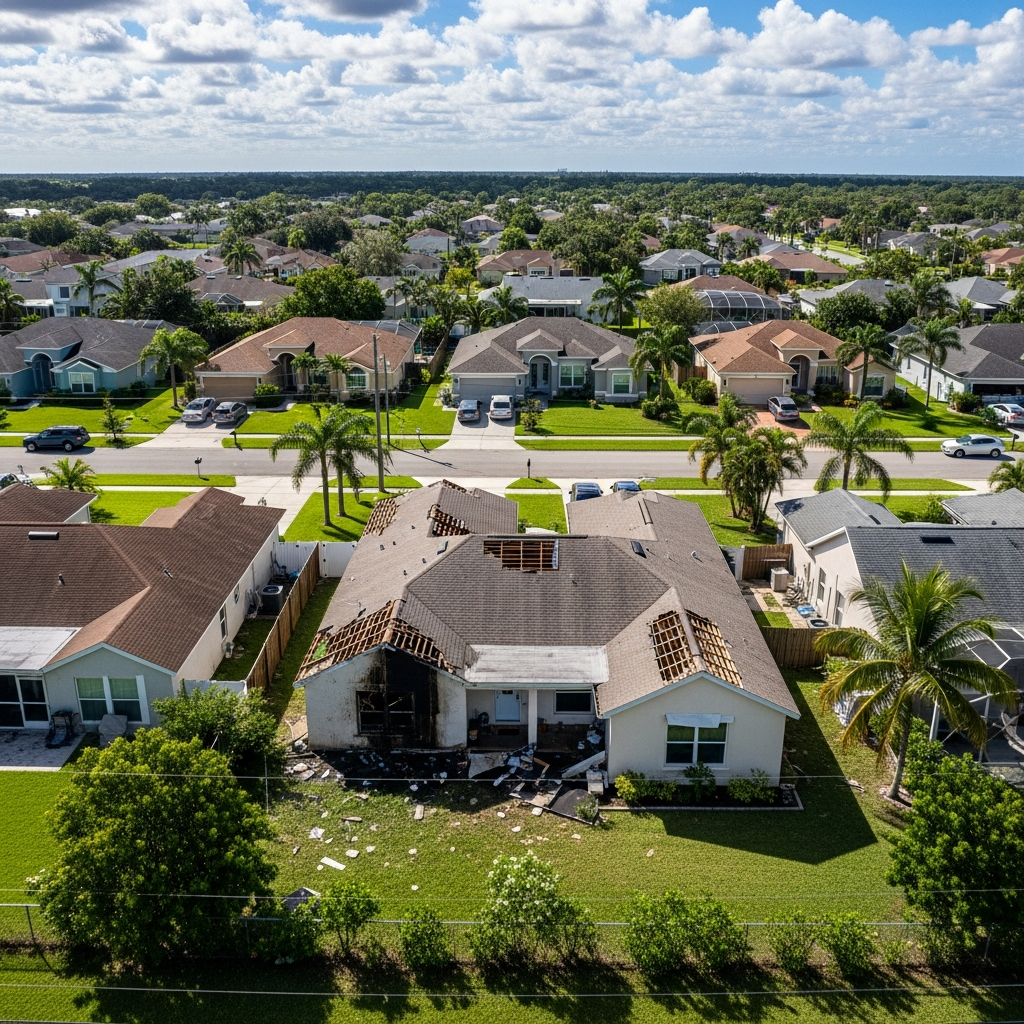
After extraction, the drying and dehumidification process begins. Professionals use advanced equipment like air movers and dehumidifiers to thoroughly dry the structure and prevent mold. Following the drying phase, repairs may be needed. This can include replacing drywall, flooring, or other structural elements.
The costs for these repairs vary widely based on the materials and the extent of the damage. Here’s a look at some average costs for common repair services:
Service | Average Cost Per Square Foot |
|---|---|
Mold Remediation | $15 – $30 |
Carpet Replacement | $2 – $8 |
Hardwood Flooring Repair/Replacement | $7 – $25 |
Drywall Replacement | $1.50 – $3.50 |
Plastering Walls | $2 – $10 |
Cost Comparison: Minor vs. Extensive Damage
The cost of water damage restoration can change a lot based on how bad the damage is. If you have minor water damage, like a small leak from a faucet that you catch right away, you may just need water removal and some drying for a small spot. For these minor repairs, the cost of water damage might be only a few hundred dollars.
But if you have extensive damage, like a basement flood or a big pipe burst that stays hidden for days, things get more serious. This type of damage means you will need water removal across a large area and the drying process will take a lot more time.
Also, this kind of extensive damage often leads to more problems, like your floors getting ruined, drywall getting soaked, and mold growth setting in. All of this calls for bigger water damage repair jobs, and you might even need mold remediation. Because of this, restoration costs can reach into the thousands. That’s why you should act fast: the sooner you handle water damage, the less you have to pay, and the safer your place will be.
Special Considerations: Flood, Storm, and Emergency Services
Some things, like floods, storms, and emergencies, need more care and can cost more to fix. When disaster strikes, it is important to have an immediate response so you can stop more problems from happening. Flood damage caused by storms can involve black water. This water is very dirty and makes water remediation much harder.
Emergency services are open all day and night to handle severe damage right away. Quick action means using advanced equipment for water extraction to start drying out the area fast. This helps cut down on structural damage and lowers the chance of mold growth. These situations bring new restoration costs that we will talk about next.
Flood Damage vs. Standard Water Damage Costs
Yes, the cost for flood damage restoration will usually be higher than normal water damage. The main reason for this is the type of water. Floodwater is called black water. That means it is full of things that can make people sick, like germs, sewage, and other harmful stuff. Because of the health risks, cleaning up takes a lot more work.
Water remediation in these cases gets more involved. People cleaning up flood damage have to wear special safety gear. They also follow strict steps for water extraction and cleaning everything so nobody gets sick. The job needs advanced equipment and strong cleaning chemicals to get a house or building back to being safe.
Flood damage does more harm than just a simple water leak, too. It can get inside walls, floors, and personal items, and make serious structural issues in the building. When you add up all the danger from black water and the level of severe damage, it leads to higher prices for flood restoration services compared to normal water damage remediation.
Additional Expenses for Emergency and Off-Hours Restoration
When water damage happens outside of normal business hours, you might have to pay extra for emergency services. The thing about water damage is that it does not wait for a good time. For example, a burst pipe or a big leak during the night will need an immediate response to help stop bigger problems.
Restoration companies charge more after hours because they have to keep their team ready all day and night. These extra costs, which can be $50 to $200 above their usual rate, help make sure you get quick action from a reliable service when you call for help.
No one wants to pay those added costs. But if you wait instead of getting water restoration right away, you could face bigger repair bills later. Mold growth and more damage can happen in just a short time. Getting emergency services when disaster strikes helps keep the restoration process under control, and it can save you money by stopping more serious troubles.
What Can Influence Your Final Bill?
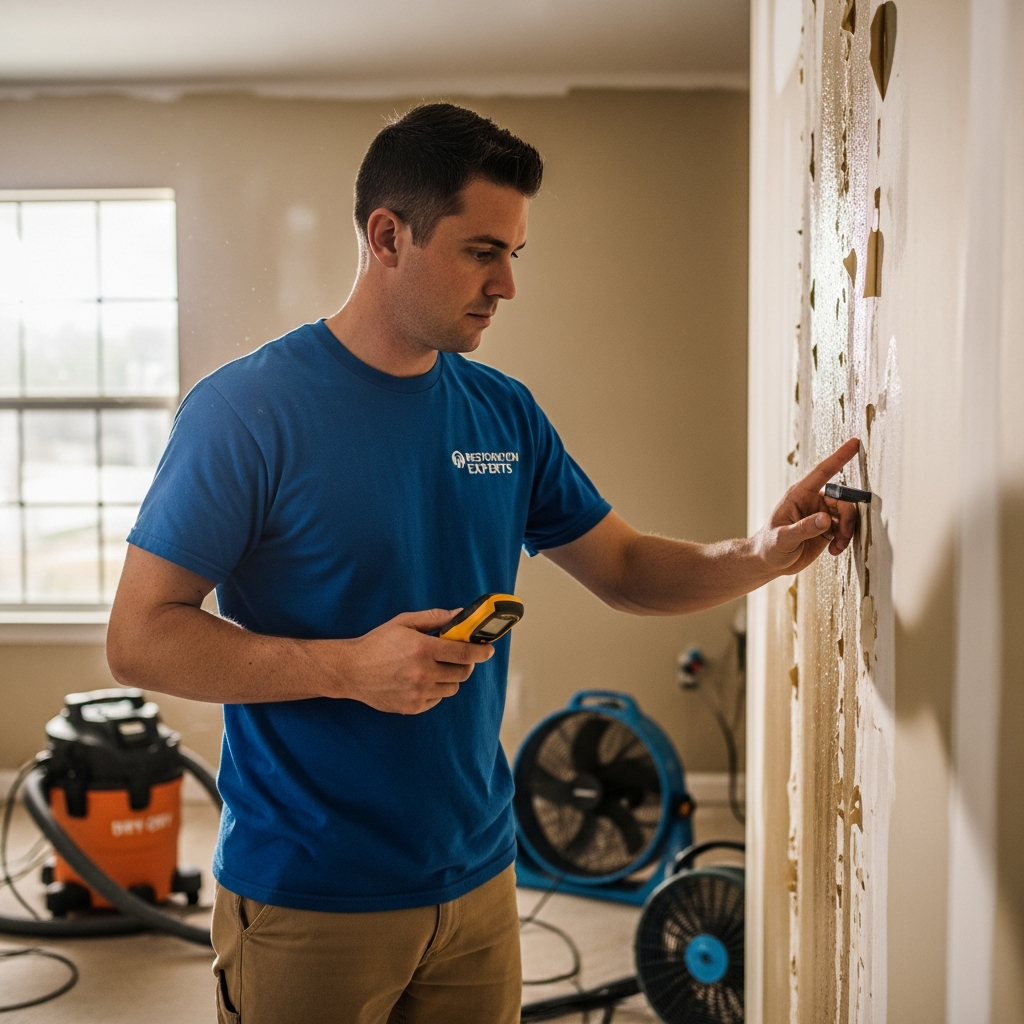
Besides the first steps of water removal and drying, there are other things that can change your final bill for water damage restoration. The extent of the damage can mean that you need to get some structural repairs or mold remediation. These are big additional costs. If things like your drywall or your floors have too much water damage, you will need to knock them out and put in new ones. This means the remediation cost will go up.
You might also need to pay permit fees if the city of Tampa asks for them before you do any structural repairs. Knowing about these costs helps you get ready for all the money you might have to spend during water damage restoration. Now, let’s look more closely at each of these costs.
Mold Remediation and Structural Repairs
If water damage is not handled right away, mold can start to grow in just 24 to 48 hours. Mold can be dangerous for your health and can also cause big problems to the structure of the house. Because of this, mold remediation is a very important part of the restoration process, but it can cost a lot. To have a professional remove mold, the price can range from $15 to $30 for each square foot.
The remediation cost for mold changes based on how much mold there is and what materials have been touched by it. The mold remediation process means you have to block off the area, so the mold spores do not spread. After this, workers take out the mold and treat the area so it will not come back.
Sometimes, if there is very bad water damage that lasted a long time, or if it was caused by black water, the house may need structural repairs, too. Water can weaken wood, break drywall, and even hurt your home’s foundation. These extra repairs can add a lot to the additional costs for water remediation. Still, they must be done to make sure your home is safe to live in.
Demolition Costs and Permit Fees in Tampa
When water damage is bad, some spots in your property might be too harmed to fix. In that case, you need to tear down those parts before you can build again. This means you need to get rid of damaged drywall, wet insulation, floors that do not lay flat, and other items that cannot be used anymore. The cost to remove these things will add to your total remediation cost. How much it costs depends on how much stuff you need to take out.
If you are a property owner in Tampa, you should know about permit fees. For most basic drying or simple cleaning, you do not need a permit. But if you need to do bigger structural repairs, you often will. Tampa city rules can ask you to get permits for work that deals with electrical, plumbing, or other big fixes.
You have to also cover these permit fees in your overall restoration costs. Most of the time, the water damage company you choose can tell you which permits you might need. They might even get the permit for you, but you still get the cost added to your final bill.
Conclusion
Knowing about the costs of water damage restoration in Tampa is important if you are dealing with this problem. You need to look at some key factors. These include the type and source of water damage, the size of the affected area, and how clean or dirty the water is. These things will affect how much you have to pay. There are some other things that matter too. Emergency services and mold remediation can raise your final bill.
When you know about these costs, you can plan better and make the restoration process easier. If you want to know exactly how much you might pay, ask for a free estimate. We are here to help you through each part of water damage restoration. It can look hard, but we help make things simple for you.
Frequently Asked Questions
Do Tampa restoration companies offer free estimates?
Most reputable water damage remediation companies in Tampa, like 911 Restoration, give you a free estimate. They send a professional to your place to look at the water damage. You will get a clear and correct quote for the restoration services that you may need. This helps you know the costs ahead of time.
Are water damage restoration costs covered by homeowners insurance in Tampa?
In a lot of cases, homeowners insurance does pay for water damage restoration costs. This often happens when the water damage is sudden and not planned, like if a burst pipe causes the problem. But most insurance policies do not pay for damage that comes from floods or from not taking care of the home. It is very important for a property owner to look at their insurance policy and call their insurance company. They need to find out what is and is not covered when it comes to water damage.
What steps can homeowners take to minimize water damage restoration expenses?
To cut down on water damage restoration costs, you need to act fast. Try to turn off the water if you can. Then, get a professional to start quick action right away. Fast water extraction and drying will help stop further damage and slow down mold growth. This also makes the whole restoration process less expensive in the end.
Latest Posts
Contact Us
For Advice
Need help? Talk to an expert
(813) 261-1525