


28
Aug
Florida Humidity and Mold: Year-Round Protection Tips

Key Highlights
- Florida’s climate creates high humidity year-round, making mold growth a constant risk for your home.
- Effective humidity control between 30-50% is the first step in preventing moisture buildup.
- Proper ventilation in bathrooms, kitchens, and attics is essential to stop damp air from settling.
- Look for warning signs like musty odors or condensation to catch problems early.
- A well-maintained HVAC system is your best tool for managing indoor humidity in your Florida home.
Introduction
Living in the Sunshine State is wonderful, but Florida’s climate also brings a major challenge for every homeowner: high indoor humidity. When moisture levels inside your home get too high, it creates the perfect environment for mold growth. This can lead to musty smells, damage to your home, and even health issues. Understanding how to manage indoor humidity is key to protecting your property and keeping your family safe from the risks of mold.
Understanding Florida’s Humid Climate and Mold Risks
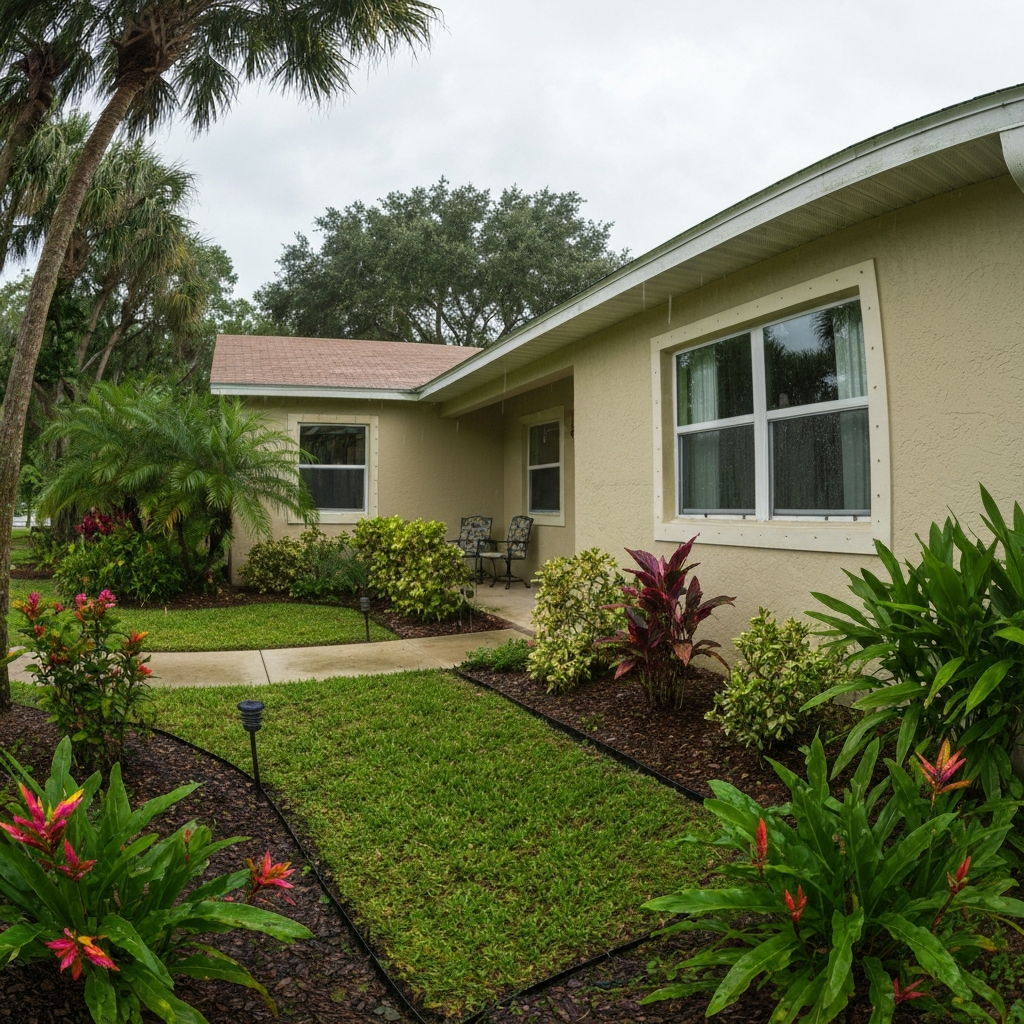
Florida’s environment is naturally damp. The combination of warm air and surrounding water leads to high humidity levels almost all year. This constant moisture in the air creates ongoing humidity problems for homeowners, as humid air easily finds its way inside.
Once inside, this moisture can fuel the growth of mold spores, which are always present in the air. All they need is a little dampness to start growing on walls, in attics, or behind furniture. Let’s explore why this is such a common issue and what it means for your home.
Why Humidity Is Higher in Tampa-St Petersburg (Sarasota), FL
The Tampa-St. Petersburg and Sarasota areas are right on the coast, which means they are constantly exposed to moist air from the Gulf of Mexico. This humid air moves inland, raising outdoor and indoor moisture levels significantly. Your Florida home is always fighting against this incoming dampness.
On top of that, Florida’s consistently warm temperatures play a big role. Warm air can hold much more moisture than cool air. This is why even when your air conditioner is running, the air can still feel sticky. The high heat makes it harder for moisture to evaporate naturally, trapping it inside your home.
This combination of coastal moisture and high heat means your house is a prime target for high humidity. When this damp air gets trapped inside, it creates the perfect breeding ground for mold, turning a simple climate issue into a potential problem for your home’s structure and your family’s health.
How Humidity Fuels Mold Growth in Florida Homes
Mold needs three things to grow: warmth, a food source (like drywall or dust), and moisture. Since Florida is always warm and homes have plenty of organic material for mold to feed on, moisture is the one factor you can control. High indoor humidity provides the dampness mold spores need to activate and multiply.
When indoor humidity stays above 60%, it creates excess moisture on surfaces throughout your home. This is especially true in areas with poor airflow. These persistent moisture issues allow mold colonies to form in as little as 24 to 48 hours.
The best way to stop this cycle is with proactive humidity control. Year-round prevention involves using dehumidifiers, ensuring your AC is working properly, improving ventilation, and quickly addressing any leaks or spills. Keeping indoor humidity between 30% and 50% makes it much harder for mold growth to start.
Is Mold More Common in Florida Than Other States?
Yes, indoor mold growth is significantly more common in Florida than in many other states. The state’s unique climate creates a perfect storm for mold. The year-round high heat combined with heavy rainfall and coastal moisture keeps the relative humidity consistently high.
This constant exposure to moisture dramatically increases the risk of mold in homes. While homes in drier states might only worry about mold after a plumbing leak, a Florida home can develop mold simply from the humid air seeping inside. Even small gaps around windows or doors can let in enough moisture to cause a problem.
Because Florida’s climate is so favorable to mold, homeowners here must be much more vigilant. Regular maintenance and moisture control are not just good ideas—they are essential for preventing serious indoor mold growth and protecting your home and health.
Signs Your Florida Home Has a Humidity or Mold Problem
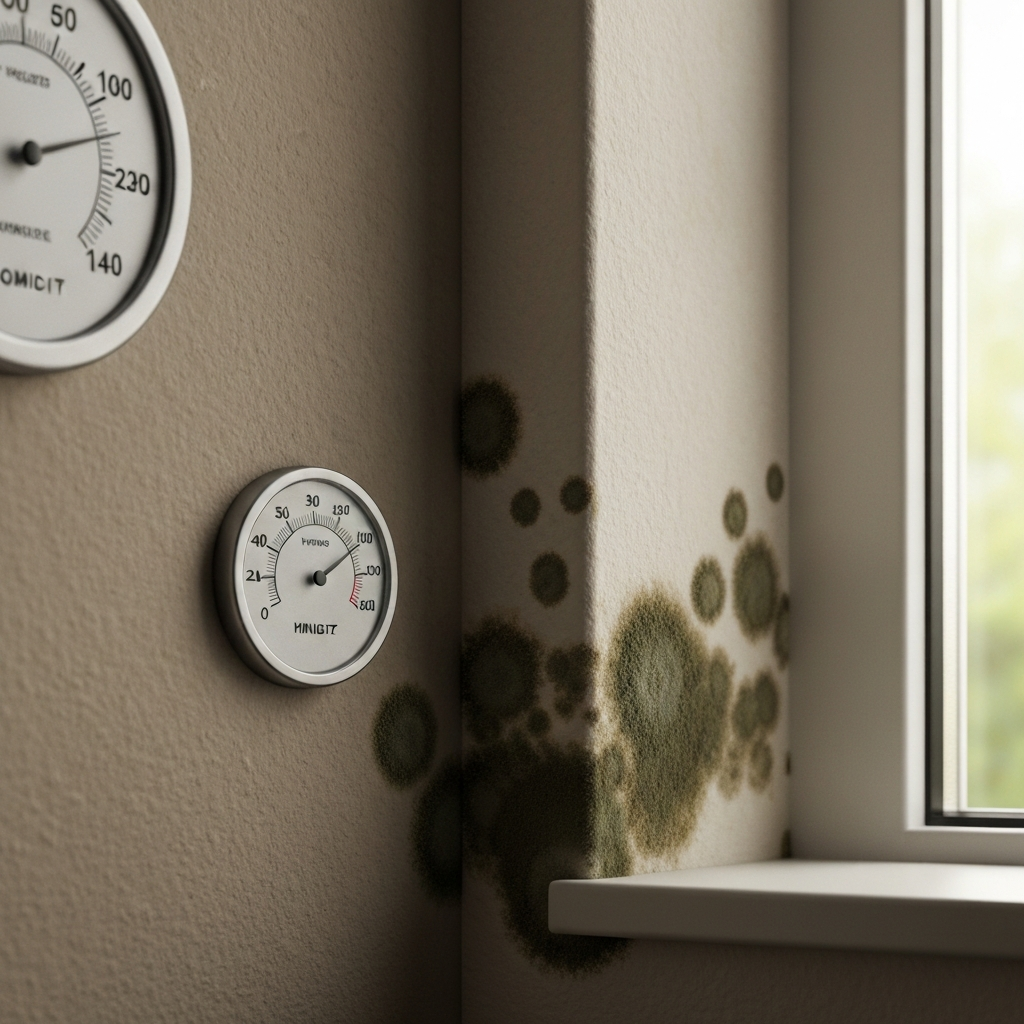
High indoor humidity and mold problems often start subtly, but there are clear warning signs you can watch for. One of the first clues is the presence of persistent musty odors, which indicate that moisture levels are high enough to support mold.
You might also notice physical signs of water damage or dampness long before you see any actual mold. Recognizing these early red flags allows you to take action before a small issue becomes a major mold problem. Below are some specific signs to look out for.
Common Visual Signs of Mold and Moisture
One of the most obvious signs of mold is seeing it. Mold can appear in various colors, including black, green, white, or gray. It often looks like fuzzy patches or discolored stains on walls, ceilings, or other surfaces.
Moisture buildup also leaves visual clues. Condensation on windows, mirrors, or sliding glass doors is a clear sign that the air inside is too damp. This excess moisture can soak into porous materials like drywall and wood, where mold spores can begin to grow.
During humid months, be extra watchful for these signs of mold and moisture:
- Dark spots or stains on ceilings or in corners of rooms.
- Peeling or bubbling paint on walls.
- Warped wood floors or baseboards.
- Visible growth on grout lines in your bathroom.
Musty Odors and Persistent Dampness
Sometimes, you can smell a mold or moisture problem before you can see it. A persistent, earthy, or musty odor is a classic sign that mold is growing somewhere in your home. This smell is produced by mold as it grows and is often strongest in enclosed areas with poor ventilation, like closets, basements, or bathrooms.
If your home feels perpetually damp or sticky even when the air conditioner is running, it points to a problem with moist air. This sticky feeling is caused by humid air that your AC isn’t removing effectively. It indicates that the moisture levels are high enough to cause issues.
These sensory clues should never be ignored. Musty odors and a damp feeling are your home’s way of telling you there are underlying moisture problems. Investigating the source of the smell or dampness can help you find and fix the issue before mold spreads further.
Allergy Symptoms Linked to Indoor Mold
Your health can be a major indicator of poor indoor air quality caused by mold. When mold grows, it releases tiny mold spores into the air. Inhaling these spores can trigger allergy-like symptoms, especially in sensitive individuals, children, and the elderly.
If you or your family members notice that allergy symptoms are worse inside the house but get better when you leave, it could be a sign of indoor mold. High humidity also creates a better environment for dust mites, another common allergen. These combined health concerns make it important to address moisture issues quickly.
Pay attention to recurring symptoms like:
- Sneezing, coughing, or a runny nose.
- Itchy, watery eyes.
- Headaches or sinus congestion.
High-Risk Areas for Mold Due to Humidity
While high humidity can affect your entire home, some areas are more vulnerable to mold growth than others. These high-risk spots often trap moisture, have poor air circulation, or are prone to water intrusion.
Knowing where to look can help you focus your prevention efforts. By paying extra attention to these problem areas, you can significantly lower the overall risk of mold growth in your home. Here are the most common places where mold tends to thrive due to humidity.
Bathrooms, Kitchens, and Laundry Spaces
Bathrooms, kitchens, and laundry rooms are hotspots for mold because they generate a lot of moisture. Steam from hot showers, cooking, and clothes dryers can quickly raise humidity levels in these spaces. Without proper ventilation, that damp air gets trapped.
Small water leaks from faucets, pipes under sinks, or washing machine hoses are also common in these areas. Even a tiny, slow drip can create the perfect damp environment for mold to grow unnoticed inside cabinets or behind appliances.
For effective mold prevention in these rooms, you should:
- Always use exhaust fans during and after showering or cooking.
- Wipe down wet surfaces like countertops and shower walls.
- Check regularly under sinks for any signs of water leaks.
- Ensure your clothes dryer is vented directly outside.
Attics, Crawl Spaces, and Garages
Attics, crawl spaces, and garages are often overlooked, but they are prime locations for mold growth. These areas typically have poor ventilation, allowing humid air to become trapped. High humidity levels in these spaces can lead to widespread moisture buildup.
Roof leaks can let rainwater into your attic, while moisture from the ground can seep into crawl spaces. Without proper airflow to dry things out, this moisture will linger and create ideal conditions for mold to flourish on wood beams, insulation, and stored items.
To protect these spaces, it’s important to:
- Inspect your attic and crawl spaces for leaks or dampness, especially after storms.
- Ensure these areas have proper ventilation to promote airflow.
- Consider adding a vapor barrier in your crawl space to block ground moisture.
Air Conditioning Systems and Ductwork
Your HVAC system is crucial for controlling humidity, but it can also become a source of mold if not maintained correctly. As your system cools the air, condensation forms on the evaporator coils. If this moisture doesn’t drain properly, it can lead to mold growth inside the unit.
Mold spores can then spread throughout your home via the air ducts, affecting your indoor air quality. Dirt and dust inside the ductwork can also absorb moisture and provide a food source for mold. Regular HVAC maintenance is key to preventing your system from contributing to a mold problem.
Here are some tips for using your HVAC system to prevent mold:
Setting/Action | Why It Helps Prevent Mold |
|---|---|
Set Thermostat to “Auto” | This prevents the fan from running constantly, which can pull humidity back into the home when the cooling cycle is off. |
Maintain a Consistent Temperature | Avoid drastic temperature changes, as this helps the system manage humidity more effectively. A setting of 75-78°F is often recommended. |
Schedule Regular Maintenance | A professional can clean coils, check drain lines, and ensure the system is removing humidity efficiently. |
Daily Habits to Control Humidity and Prevent Mold
Beyond your home’s structure and systems, your daily habits play a huge role in humidity control. Simple, consistent actions can make a big difference in maintaining healthy moisture levels and improving your indoor air.
Making a few small changes to your routine can be one of the most effective strategies for mold prevention. The following tips will help you manage moisture sources throughout your day and keep your home drier and healthier.
Ventilation and Air Circulation Tips
Good air circulation is essential for preventing humid, stagnant air where mold loves to grow. When air moves freely, it helps moisture evaporate and prevents it from settling on surfaces. One of the easiest ways to improve airflow is by using fans.
Proper ventilation is especially important in high-moisture areas. Using exhaust fans in your bathroom and kitchen pulls damp air out of your home before it can spread. Make sure these fans are vented to the outside, not into the attic.
Here are some simple tips to boost ventilation:
- Run ceiling fans to keep air moving, especially in larger rooms.
- Open windows to let in fresh, drier air when weather permits.
- Avoid blocking air vents with furniture or rugs.
- Open closet and cabinet doors periodically to let air circulate inside.
Managing Moisture from Cooking, Showering, and Cleaning
Everyday activities like cooking, showering, and cleaning add a surprising amount of moisture to your indoor air. Taking steps to manage this excess moisture is a key part of moisture control. When you boil water or take a hot shower, you are releasing steam directly into your home.
The best way to handle this is to capture the moisture at its source. Always use exhaust fans when cooking or showering, and let them run for 15-20 minutes afterward to clear out any lingering damp air. This prevents steam from spreading to other rooms, where condensation forms on cooler surfaces.
When cleaning, be mindful of using too much water on floors or other surfaces, and dry them thoroughly. If you spill something, clean it up and dry the area immediately. These small habits prevent moisture from building up and giving mold a place to start.
Proper Use of Dehumidifiers and HVAC Settings in Florida
In Florida’s climate, your HVAC system alone may not be enough to control humidity. This is where dehumidifiers become incredibly helpful. A whole-home or portable dehumidifier works to pull excess moisture from the air, creating drier air that is less friendly to mold.
Your HVAC system is still your primary tool for humidity management. Setting the fan to “Auto” instead of “On” is crucial. This ensures the fan only runs when the cooling cycle is active, preventing it from blowing moisture from the coils back into your home.
For optimal humidity control, you should:
- Aim to keep your indoor humidity between 30% and 50% using a dehumidifier.
- Schedule regular HVAC maintenance to keep your system running efficiently.
- Consider a smart thermostat that can help you manage humidity levels automatically.
Conclusion
In summary, understanding the challenges of Florida’s humidity and its relationship with mold is crucial for every homeowner. By recognizing the signs of moisture issues and implementing effective daily habits, you can significantly reduce the risk of mold growth in your living spaces. Regular maintenance, proper ventilation, and the strategic use of dehumidifiers are all essential steps in safeguarding your home. Remember, being proactive not only protects your property but also ensures a healthier living environment for you and your family. If you’re looking for personalized advice or solutions, don’t hesitate to reach out for a consultation. Your home deserves the best care!
Frequently Asked Questions
What products help control humidity in Florida homes?
For effective humidity control, dehumidifiers are a great choice. Both portable and whole-home models work well. A properly sized air conditioner and a well-maintained HVAC system are also essential. You can also use small, disposable moisture absorbers in closets and other small spaces for localized moisture control.
How do homeowners protect against mold when away on vacation?
For mold prevention while away, don’t turn off your air conditioner. Set the thermostat to a higher temperature (around 78-80°F) and leave the fan on “Auto.” This maintains air circulation and removes excess moisture. A dehumidifier running on a timer can also provide extra protection against mold growth.
What should you do if you discover mold in your Tampa-St Petersburg (Sarasota) home?
If you find a small mold problem on a hard surface, you might be able to clean it. For larger areas (over 10 square feet), or if you suspect hidden mold due to musty smells or health concerns, it’s best to call for professional help. Professional mold remediation safely removes mold spores and fixes the moisture source.
Latest Posts

Contact Us
For Advice
Need help? Talk to an expert
(813) 261-1525