


28
Aug
Musty Smell in Your House? Common Causes in Florida Homes

Key Highlights
- A persistent musty odor in your home often points to an underlying moisture issue.
- High humidity, a constant in Florida’s climate, creates the perfect environment for mold growth and poor indoor air quality.
- Common causes include hidden plumbing leaks, poor ventilation, and problems within your HVAC system.
- Musty smells can originate in hidden areas like attics, crawl spaces, and behind walls, making them hard to find.
- Prolonged exposure to the source of a musty smell can lead to health concerns, especially respiratory issues.
- Addressing the root cause is crucial for eliminating the odor and improving your indoor air.
Introduction
Do you walk into your house and get hit with a stale, damp scent? That unwelcome musty smell is a common problem for homeowners across Florida. It’s more than just an unpleasant odor; it’s a sign that your indoor air quality might be compromised. This blog will guide you through the primary reasons your home has a musty smell. We will explore how to identify the source, from high humidity and mold to hidden leaks, so you can restore a fresh and healthy environment.
Common Causes of Musty Smells in Tampa-St Petersburg & Florida Homes
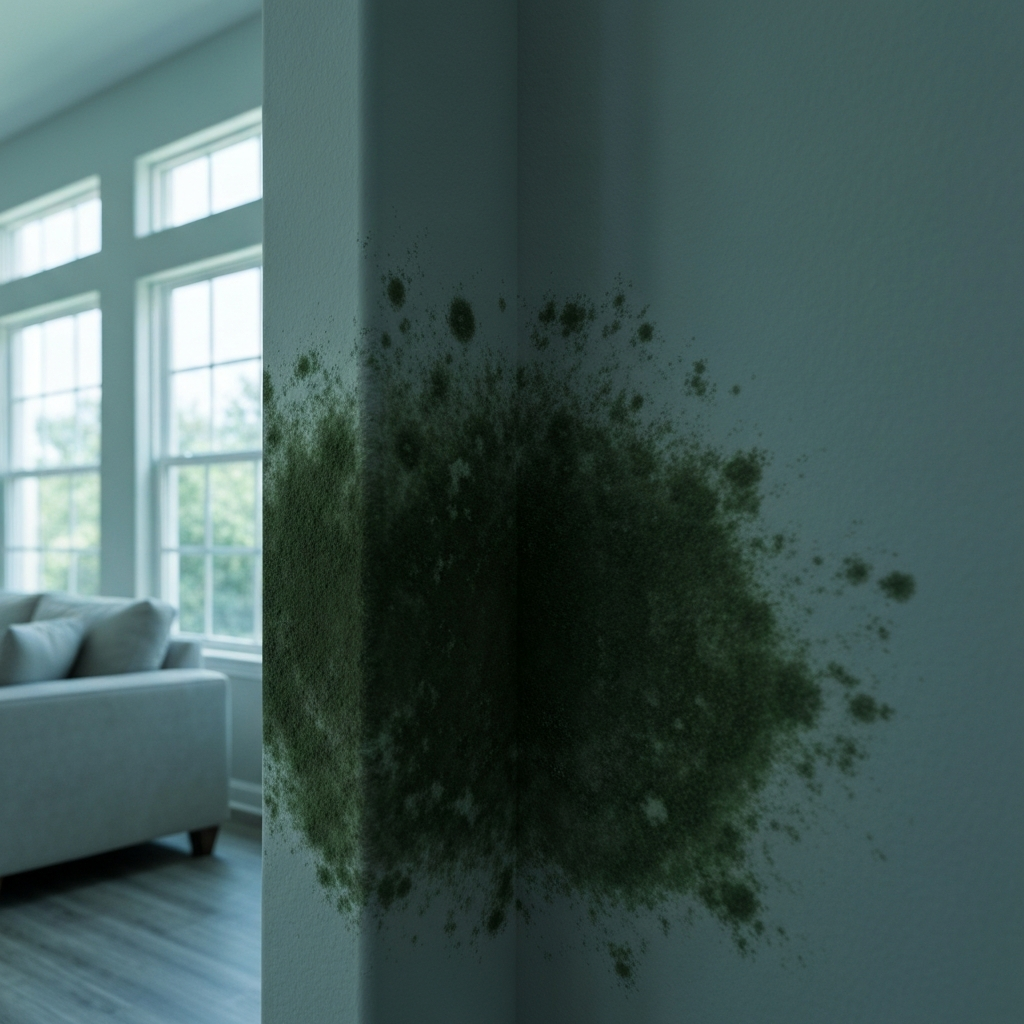
The most common causes of a musty smell in Florida homes usually trace back to one thing: excess moisture. High humidity, leaky pipes, hidden water damage, and poor ventilation are frequent culprits. These issues create the perfect breeding ground for mold and mildew, which release that telltale odor. Due to the state’s warm and damp climate, homes here are especially prone to these humidity problems.
Understanding what causes these odors is the first step toward fixing them. Whether the issue is with your home’s structure or a simple lack of airflow, identifying the source is key to improving your indoor air quality. Let’s look at some of the most frequent reasons for that persistent musty odor.
Humidity and Moisture Buildup
One of the biggest contributors to a musty house smell is high indoor humidity. When the air in your home holds too much moisture, it creates a damp feeling and the ideal conditions for mold and mildew to thrive. In Florida, the outdoor air is naturally humid, and it can easily seep into your home, raising indoor moisture levels.
This moisture buildup can come from many places. Everyday activities like showering, cooking, and doing laundry all release steam and moisture into the air. If your home isn’t well-ventilated, this damp air gets trapped. While a musty smell is often related to humidity, it can also point to a specific source like a hidden leak. However, controlling humidity is your first line of defense.
Look for signs of high humidity, such as condensation on windows, a sticky feeling in the air even when the AC is on, or peeling paint. Using dehumidifiers and ensuring your exhaust fans are working correctly can help you manage moisture control and keep your humidity levels in a healthy range.
Mold and Mildew Growth
If you have a musty smell, there’s a good chance mold or mildew is the cause. These fungi flourish in damp, dark places and release gases that produce a distinct, unpleasant odor. Mold growth doesn’t just smell bad; it can also damage your home and negatively impact your indoor air quality. A musty odor is often the first telltale sign of mold you’ll notice.
So, how can you tell if the musty smell is from mold or mildew? Look for physical signs. While a musty scent is the general smell of dampness, a stronger, earthier scent often points to active mold growth. Here are some things to watch for:
- Visible mold patches that may look black, green, or white.
- Discoloration on walls, ceilings, or floors.
- Bubbling or peeling paint, which can indicate moisture behind the surface.
If you suspect mold, the first step is to find the moisture source. Check under sinks, around windows, and in basements or attics. Fixing the source of moisture is essential to stop the mold problems from returning after cleanup.
Plumbing Leaks and Water Intrusion
Even small leaks from your plumbing can lead to significant water damage and persistent odors. A slow-dripping pipe under a sink or a hidden crack in a water line behind a wall can saturate insulation, drywall, and flooring. This trapped moisture creates a breeding ground for mold, resulting in a musty smell that seems to have no source.
These plumbing leaks often occur in out-of-sight places like inside cabinets, behind appliances, or within walls, making them difficult to detect until the odor becomes noticeable. Water intrusion can also happen from outside, with rain seeping through a damaged roof or foundation. If you notice a musty odor after being away from your house, it’s a good idea to check for any new signs of water damage.
If you suspect a leak, your first step should be to look for visible signs of water, like stains, damp spots, or warped materials. If you can find the source, shut off the water to that area if possible. Addressing leaks quickly is key to preventing widespread damage and getting rid of that musty smell for good.
Poor Ventilation and Stagnant Air
Does your home feel stuffy? A lack of proper ventilation can trap moist air inside, leading to stagnant conditions where musty odors develop. Areas like bathrooms, laundry rooms, and kitchens generate a lot of moisture, and without good airflow, that dampness has nowhere to go. This can make the entire house smell musty over time.
Poor ventilation prevents the exchange of stale indoor air for fresh air from outside. This is a common problem in tightly sealed, modern homes. Even your HVAC system can contribute to a musty smell if it’s not circulating air effectively or if the filters are dirty, as it can spread odors throughout the house instead of helping to remove them.
To improve your home’s air quality, focus on promoting airflow. Use exhaust fans in bathrooms and kitchens to pull moist air outside. On less humid days, open windows to let fresh air circulate. Ensuring there is proper ventilation throughout your home is a simple but effective way to combat stagnant air and the persistent odors it can cause.
How Florida’s Climate Contributes to Musty Odors

Living in the Sunshine State has its perks, but Florida’s climate also creates the perfect storm for musty odors in your home. The combination of high humidity, frequent rain, and warm temperatures makes it a constant battle to control indoor moisture levels. When you’re away for a few days, your AC might run less, allowing humidity to build up quickly and a musty smell to develop.
This warm, wet environment means that any moisture that gets into your home—whether from a leak or just the outdoor air—is more likely to cause mold growth. Understanding how the local climate affects your indoor environment can help you take the right steps to prevent these issues. Let’s explore how Florida’s weather patterns directly impact the air inside your home.
Impact of High Outdoor Humidity
Florida is famous for its high humidity, and that damp outdoor air is always trying to get inside your home. It seeps through tiny cracks and gaps around windows, doors, and in your home’s foundation. Once inside, this moisture raises your indoor humidity levels, making the air feel sticky and creating the perfect environment for mold growth.
When indoor humidity stays above 60%, mold spores that are naturally present in the air can start to multiply on surfaces like walls, furniture, and even clothing. This is often the direct cause of a persistent musty odor. Even the best air conditioner can struggle to keep up with the constant influx of humid air, especially during the summer months.
To combat this, it’s important to monitor your indoor humidity levels. Aim to keep them between 45% and 55%. If you find that the smell or dampness won’t go away, it may be time to consider calling a professional to assess your home for hidden moisture problems and get your indoor moisture levels under control.
Storms, Flooding, and Rain Events
Florida’s weather is often unpredictable, with frequent thunderstorms, heavy rain, and the seasonal threat of hurricanes. These weather events can introduce a significant amount of water into your home through water intrusion. A leaky roof, flooded crawl space, or water seeping in through window seals can all lead to serious water damage and, eventually, a powerful musty odor.
After a major rain event, the ground becomes saturated, and the relative humidity skyrockets, slowing down the natural drying process. This trapped moisture is a major risk factor for mold. Different weather events carry different levels of risk for water damage.
Weather Event | Risk Level for Water Intrusion | Common Problem Areas |
|---|---|---|
Daily Thunderstorm | Moderate | Roof leaks, window seals, overwhelmed gutters |
Tropical Storm | High | Widespread leaks, minor flooding, foundation seepage |
Hurricane | Very High | Severe flooding, roof damage, broken windows |
After any storm, it’s crucial to inspect your home for signs of water damage. Dry any wet areas completely within 24-48 hours to prevent mold from taking hold. If you’ve experienced significant flooding, professional help is often necessary to handle the cleanup and avoid long-term issues with persistent odors.
Warm Temperatures Promoting Mold Growth
Warm temperatures are another key ingredient that makes Florida a hotspot for mold growth. Mold spores thrive in warmth, and when combined with high humidity, your home can become the perfect environment for them to multiply rapidly. The state’s year-round warmth means that mold isn’t just a seasonal problem; it’s a constant threat.
These conditions don’t just encourage mold; they also support dust mites and other allergens. Are musty smells and the mold they signal dangerous for your health? Yes, they can be. Mold exposure can trigger allergic reactions, asthma attacks, and other respiratory issues. For sensitive individuals, living in a home with unchecked mold growth can lead to ongoing health concerns.
To prevent this, it’s important to maintain a cool and dry indoor environment. Use your air conditioner to manage both temperature and humidity. Regular cleaning and dusting can also help remove mold spores and dust mites from surfaces. Controlling your home’s climate is a critical step in creating a healthy living space free from musty smells.
Hidden Places Where Musty Smells Start
Sometimes, the source of a musty odor isn’t obvious. You may have cleaned every surface, but the smell lingers. This often means the problem is hiding in places you can’t easily see. Hidden mold growth can occur inside walls, under carpet padding, or deep within your HVAC system. A musty smell can be a sign that mold is hidden somewhere in your Florida house.
Finding these hidden sources is crucial for permanently eliminating the odor and protecting your indoor air quality. A thorough inspection of your indoor environment is necessary to uncover these problem areas. Let’s uncover some of the most common hidden spots where musty smells begin.
Attics, Basements, and Crawl Spaces
Attics, basements, and crawl spaces are notorious for developing musty smells. These areas are often dark, neglected, and poorly ventilated, making them prime locations for moisture to collect. In Florida, an attic can become extremely hot and humid, while a crawl space can draw moisture directly from the damp ground, leading to hidden mold growth.
Because you don’t spend much time in these spaces, a problem can go unnoticed for months or even years. The musty air from these areas can then seep into the main living areas of your home, affecting your overall air quality. One of the most common reasons for a musty smell is a hidden issue in one of these spaces.
Be sure to periodically check these areas for red flags. Look for:
- Damp or wet insulation
- Visible water stains on wood or drywall
- A strong, earthy smell that gets worse as you enter the space
If you find any of these signs, it’s important to identify the source of the water intrusion and address it to prevent further mold problems.
HVAC Systems and Air Ducts
Your HVAC system is designed to keep you comfortable, but it can also be a major source of musty smells. How can HVAC systems contribute to a musty smell? If moisture collects in the drain pans or on the evaporator coils, it can lead to mold growth. The system then circulates that moldy, musty air throughout your entire home every time it runs.
Dirty air ducts can also be a problem. Over time, ducts can accumulate dust, debris, and mold spores. When the air blows through, it picks up these particles and distributes them into your living spaces. This not only spreads a musty odor but also harms your indoor air quality.
Regular HVAC maintenance is key to preventing these issues. Make sure to have your system inspected annually. This includes cleaning the coils and ensuring the drain pans are clear. Professional duct cleaning can also remove any built-up grime and mold from your air ducts, helping to keep your home’s air fresh and clean.
Carpets, Upholstery, and Soft Furnishings
Carpets, upholstered furniture, and other soft furnishings can act like sponges, absorbing moisture and trapping odors. If you’ve had a spill, a leak, or just consistently high humidity, your carpet padding and furniture foam can hold onto that dampness. This creates a perfect breeding ground for mold spores, leading to musty odors that are hard to get rid of.
Sometimes, the problem is obvious, like a visible water stain. Other times, the moisture is hidden deep within the fibers or padding, and the only sign is a persistent musty smell. Even a small amount of trapped moisture can be enough to cause problems, especially in Florida’s humid climate.
For mild odors, there are natural ways to remove a musty smell. Sprinkling baking soda on carpets and upholstery, letting it sit for several hours, and then vacuuming it up can absorb some of the smell. However, for severe or persistent odors from water damage, professional steam cleaning or even replacement may be necessary to fully resolve the issue.
Conclusion
In conclusion, addressing musty smells in your Florida home is essential for maintaining a healthy living environment. With humidity and moisture being prevalent issues, it’s crucial to keep an eye on areas prone to mold and mildew growth. Regularly checking hidden spaces like attics and basements, alongside ensuring proper ventilation, can significantly reduce unpleasant odors. By understanding the common causes of musty smells and taking proactive measures, you can create a fresher, more inviting home. If you’re facing persistent odors or need expert advice, don’t hesitate to get a free consultation with our professionals today!
Frequently Asked Questions
How can I tell if a musty smell is from mold or mildew?
A general musty smell is often caused by dampness, while an active mold growth problem typically produces a stronger, earthier scent. The telltale sign of mold is seeing visible growth, which can appear as black, green, or white spots on surfaces. If the smell is strong but you see nothing, it could be hidden.
Are musty smells in Florida homes dangerous for your health?
Yes, they can be. Musty odors often indicate the presence of mold, and mold exposure can cause health concerns like allergic reactions, asthma flare-ups, and other respiratory issues. Poor indoor air quality from mold can be particularly harmful to children, the elderly, and those with compromised immune systems.
When should I call a professional about a persistent musty odor?
You should call for professional help if the persistent odors don’t go away after cleaning, if you suspect hidden water damage, or if the smell returns quickly. A professional can identify the source of the moisture and provide mold remediation for your peace of mind.
Latest Posts


Contact Us
For Advice
Need help? Talk to an expert
(813) 261-1525