

28
Aug
How Professionals Remove Fire Smoke Odor: 5 Key Techniques
How Professionals Remove Fire Smoke Odor After a Fire
- Lingering smoke odor after a fire is a complex problem that requires professional fire damage restoration.
- Smoke residue contains toxic particles that penetrate deep into porous materials like drywall, wood, and upholstery.
- DIY cleaning methods are often ineffective and can worsen the damage by smearing soot or failing to eliminate the odor.
- Professionals use specialized cleaning agents and advanced equipment to ensure complete smoke odor removal.
- A certified restoration company uses techniques like HEPA filtration, thermal fogging, and ozone treatments for effective smoke damage restoration.
Introduction
A fire in your home is a devastating experience. Even after the flames are out, the aftermath leaves behind structural damage and a persistent smoke odor. Many people try to handle the cleanup themselves, only to find the smell lingers for months. This is because smoke removal is more complex than it appears. Professional fire damage restoration is essential for truly eliminating smoke odor and ensuring your home is safe. A trusted restoration company has the right tools and expertise to restore your property completely. For local help, see fire damage restoration Tampa.
Why Professional Fire Smoke Odor Removal Matters in Tampa-St Petersburg (Sarasota), FL
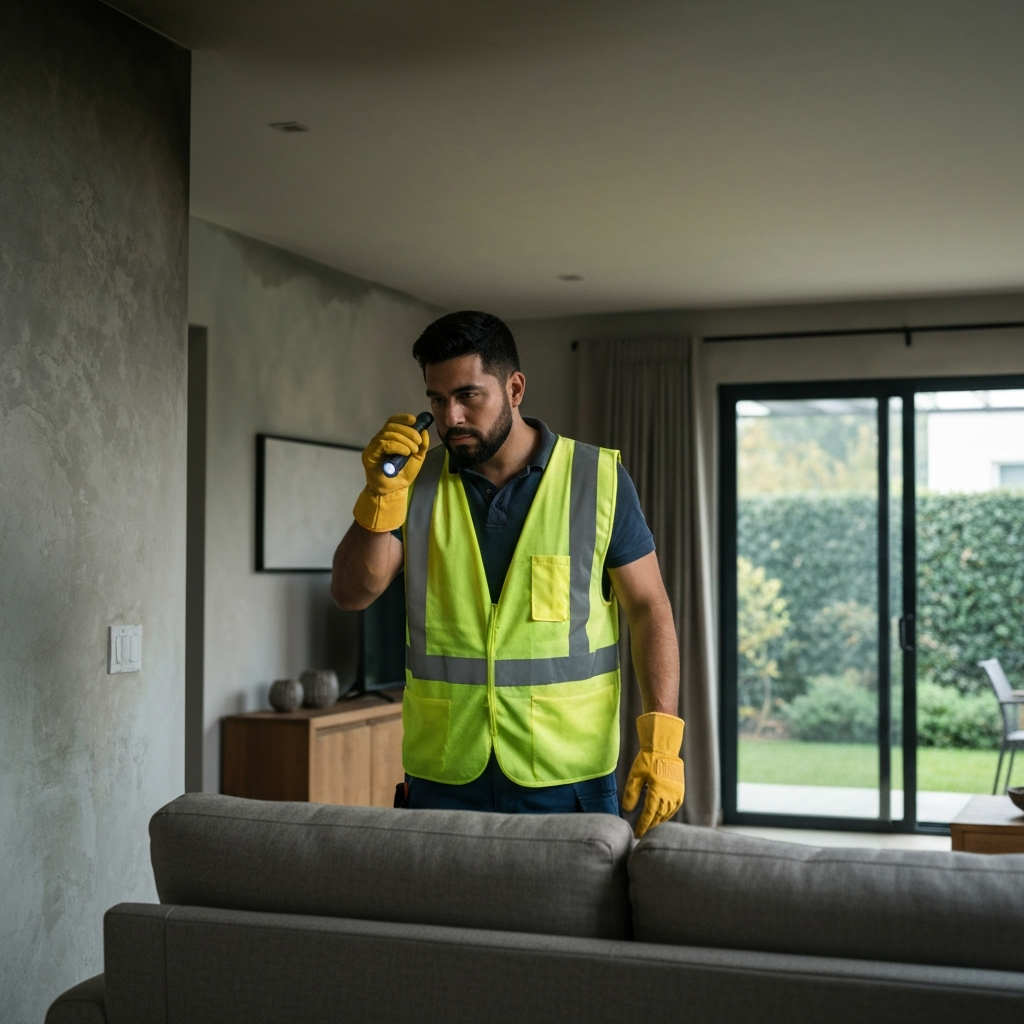
After a fire, the lingering smoke odor is more than just an unpleasant smell—it’s a sign of a deeper problem. The tiny smoke particles that cause the odor can pose health risks and continue to damage your property long after the fire is extinguished. Attempting to remove it yourself often leads to frustration and incomplete results.
That’s why seeking professional help is so important. A skilled restoration company in the Tampa-St Petersburg (Sarasota), FL, area understands the fire damage restoration process. They have the technology and training to find and eliminate the source of the smoke odor for good. Next, we’ll explore the specific challenges of smoke and why DIY solutions don’t work.
The Challenges of Smoke Odor After a Fire
The stubborn nature of smoke odor is its biggest challenge. Unlike surface stains, airborne smoke particles are microscopic and can seep deep into porous materials like drywall, wood, carpets, and furniture. This means the smell isn’t just on your walls; it’s inside them.
These particles can also travel through your HVAC system, spreading the smoke residue and odor throughout the entire house. Simply opening windows or using air fresheners won’t solve the problem. Products like Febreze only mask the smell temporarily because they don’t neutralize the odor-causing particles embedded in your belongings.
Immediately after a fire, you should avoid turning on your HVAC system to prevent spreading contamination. The most effective step is to call a professional team who can assess the damage and begin the proper cleanup process before the smoke odor has more time to set in.
Why DIY Approaches Often Fall Short
When faced with smoke damage, many homeowners reach for household cleaning agents, but this often makes things worse. DIY odor removal efforts usually fail because they don’t address the root cause of the smell. The main difference between DIY and professional services is the equipment and knowledge used.
Household products are not designed to break down the oily, acidic soot left by a fire. Trying to scrub it away can smear the residue, pushing it deeper into surfaces and causing permanent stains. Without professional-grade equipment, you may be left with lingering odors and hidden damage.
Here are common ways DIY methods fall short:
- Spreading Contamination: Using a regular household vacuum without a HEPA filter can blow tiny soot particles back into the air.
- Incorrect Cleaning: Applying water to grease-based soot can create a bigger, more stubborn stain.
- Masking Odors: Relying on vinegar, baking soda, or candles only covers up the smell instead of eliminating it.
These mistakes highlight why professional help is necessary for safe and effective smoke damage cleanup.
Understanding How Smoke Odor Penetrates Homes

To understand why smoke odor is so difficult to remove, you have to think on a molecular level. Smoke is not just a smell; it’s a collection of microscopic smoke particles and odor molecules that travel through the air and attach to everything in their path.
During a fire, the heat causes the pores of materials throughout your home to expand. This allows these tiny odor molecules to get deep inside. This deep penetration is why professional fire restoration is a science, requiring specific techniques to pull the odor out. Let’s look at where these odors commonly hide and how they become so deeply embedded.
Common Areas Where Smoke Smell Lingers
After a house fire, the smoke smell can seem to be everywhere. That’s because it gets trapped in both obvious and hidden places. Porous materials are the biggest culprits, as they act like sponges for smoke particles. Even hard surfaces can hold a fine layer of soot and residue that continues to release odors.
Identifying all affected areas is a critical step in the restoration process. Professionals know exactly where to look, including places you might not consider, like inside walls or ductwork. A professional service can successfully eliminate smells from these different materials using targeted methods.
Common hiding spots for smoke odor include:
- Carpets, upholstery, and curtains
- Drywall, wood studs, and insulation
- Inside the HVAC system and air ducts
- Clothing and other personal belongings
How Odor Becomes Embedded in Surfaces
The process of odor becoming embedded is fascinating and frustrating. When a fire burns, it produces heat that causes the pores in materials like wood, drywall, and fabric to open up. Tiny smoke particles and odor molecules then enter these openings.
As the area cools down after the fire is out, these pores close, trapping the soot and odor molecules deep inside the material. This is why you can clean a surface until it looks spotless, but the smell remains. The residue is physically stuck within the structure of your belongings.
This is also why air fresheners and other surface treatments don’t work for severe smoke damage. They can’t reach the trapped odor molecules. To truly get rid of the smell, you need a process that can reopen those pores or neutralize the particles where they are.
Five Key Techniques Professionals Use to Remove Fire Smoke Odor
Getting rid of fire smoke odor for good requires a multi-step approach that goes far beyond simple cleaning. A professional restoration company uses a combination of proven methods to attack smoke damage from every angle. This ensures that the odor is not just masked but completely eliminated.
These techniques involve everything from using specialized cleaning agents to deploying advanced technology that cleans the air itself. The following sections will walk you through five key strategies that experts use to perform a thorough smoke damage restoration and bring fresh air back into your home.
Deep Cleaning and Specialized Surface Treatments
The first step in professional odor removal is a thorough, deep cleaning of all affected surfaces. This isn’t a job for soap and water. Professionals use specialized treatments designed to break down and lift away smoke residue without causing further damage.
The type of cleaning agent used depends on the type of soot. For example, greasy soot from burning plastics requires powerful degreasers, while dry, powdery soot may be removed with special dry-cleaning sponges. These chemical cleaners are formulated to dissolve stubborn residues that household products can’t touch.
This careful approach ensures that soot is completely removed, setting the stage for deodorization.
Cleaning Agent Type | Purpose in Smoke Restoration |
|---|---|
Degreasers | Break down the oily, sticky soot left by burning plastics and synthetic materials. |
Solvents | Dissolve tough residues on a variety of surfaces without causing damage. |
Dry Cleaning Sponges | Lift light, powdery soot from delicate surfaces without smearing or using liquids. |
Advanced Air Purification and HEPA Filtration
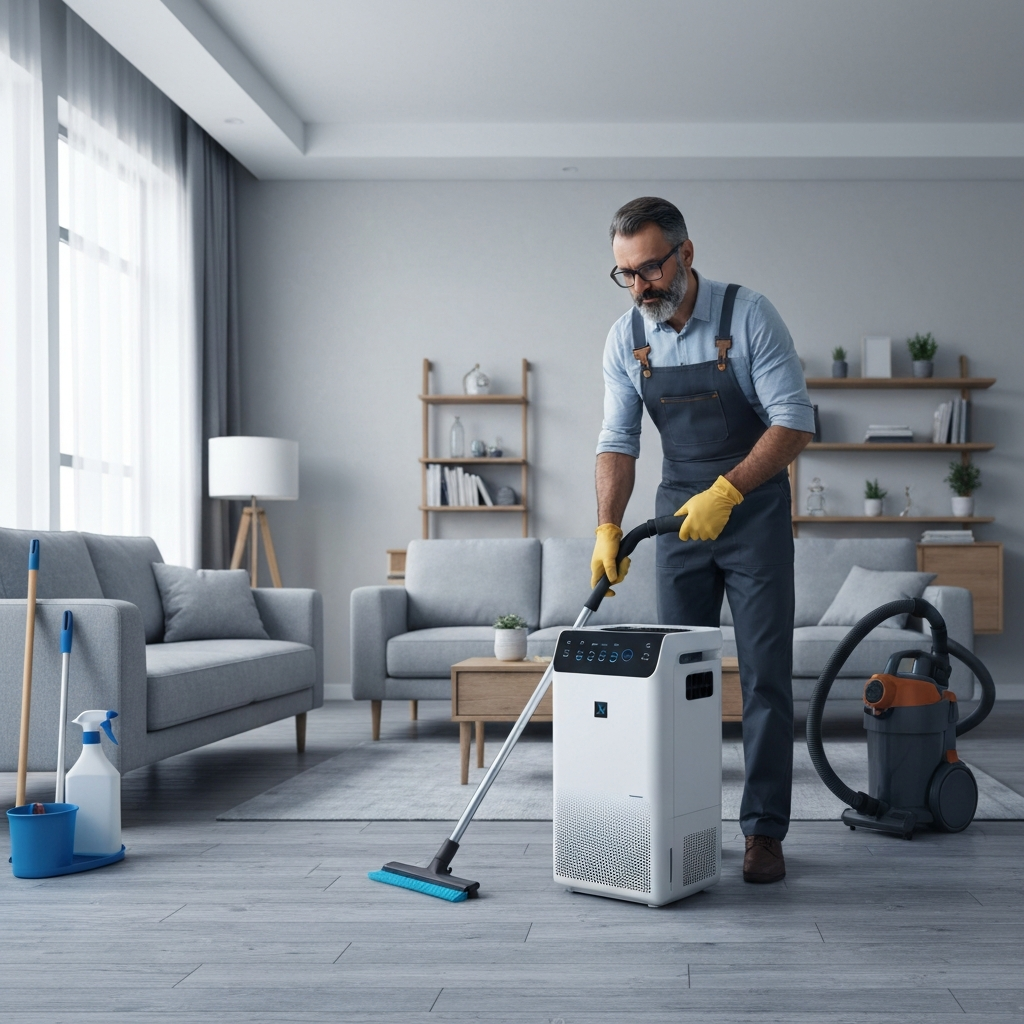
Cleaning surfaces is only half the battle. Soot and smoke particles also linger in the air, contributing to poor indoor air quality and persistent odors. To address this, a professional restoration team uses advanced air purification systems.
The core of this process is HEPA filtration. HEPA (High-Efficiency Particulate Air) filters are designed to capture 99.97% of microscopic particles, including the tiny soot and ash particles that carry smoke odor. The team will place industrial-grade air scrubbers throughout your home.
These machines run continuously, pulling contaminated air through their filters and releasing clean air back into the room. This process removes airborne contaminants, improves air quality, and helps eliminate the smell at its source, ensuring the air you breathe is fresh and safe.
Thermal Fogging, Ozone Treatment, and Odor Neutralizers
For the most stubborn odors embedded deep within materials, professionals turn to powerful deodorization technologies. Thermal fogging is one such method. A thermal fogger heats a solvent-based deodorizer, creating a fine mist that acts just like smoke. This fog penetrates into the same tiny crevices that smoke did, neutralizing the smoke molecules on contact.
Another powerful tool is an ozone treatment. An ozone generator produces ozone (O3), an unstable molecule that reacts with and breaks down odor-causing compounds. Hydroxyl generators work similarly by producing hydroxyl radicals, which are highly effective at eliminating odors but are often considered a safer alternative to ozone. A restoration company will determine the best method for your situation.
Key deodorization techniques include:
- Thermal Fogging: Recreates smoke’s behavior to neutralize odors deep within porous surfaces.
- Ozone Treatment: Uses O3 gas to destroy odor molecules but requires the property to be unoccupied.
- Hydroxyl Generators: A safe and effective alternative that uses radicals to break down odors and VOCs.
Conclusion
In conclusion, effectively removing fire smoke odor requires specialized techniques that go beyond standard cleaning measures. Professionals utilize advanced methods such as deep cleaning, air purification, and thermal fogging to ensure that every trace of smoke is eradicated from your home. Understanding these techniques highlights the importance of trusting experts who are equipped to deal with the unique challenges associated with smoke damage. If you find yourself facing this daunting task, don’t hesitate to reach out for professional help. Book a free consultation today to learn more about how we can assist in restoring your home and providing a fresh start.
Frequently Asked Questions
How long does it take for experts to remove fire smoke odor from a home?
The timeline for fire damage restoration depends on the severity of the smoke damage. A minor incident might take a few days for a professional service to complete, while a large fire with extensive smoke odor could take several weeks. Your restoration team will give you a more accurate estimate after an initial assessment.
What equipment do professionals use for smoke odor removal?
Professionals use advanced equipment designed to tackle smoke on a molecular level. This includes HEPA filtration systems and air scrubbers to clean the air, thermal foggers to neutralize embedded odors, and ozone or hydroxyl generators to destroy any remaining smell. Some systems may also incorporate UV light for sanitization.
Can professional odor removal services eliminate smells in carpets and walls?
Yes, absolutely. A professional restoration company has fire damage restoration services specifically for porous materials like carpet and drywall. They use deep-cleaning methods, specialized agents, and deodorization techniques like thermal fogging to penetrate these surfaces and eliminate the source of the odor, rather than just covering it up.
Dealing with fire or smoke damage in Tampa? Contact 911 Restoration of Tampa Bay for professional fire damage restoration services. Call (813) 261-1525 for 24/7 emergency response.
Latest Posts
Contact Us
For Advice
Need help? Talk to an expert
(813) 261-1525