

28
Aug
Do You Need Disinfection After Water Damage? Essential Steps
Do You Need Disinfection After Water Damage? Essential Guide
Here are the key takeaways from this guide:
- Disinfection is a crucial step after any water damage to prevent harmful bacteria and mold growth.
- Always prioritize safety by turning off utilities and wearing protective gear before starting any cleanup.
- Different types of water damage require specific cleaning approaches, from clean water to hazardous black water.
- Skipping disinfection can lead to lingering odors, health risks, and structural issues in your home.
- The complete restoration process includes water removal, drying, cleaning, disinfection, and repairs.
Introduction
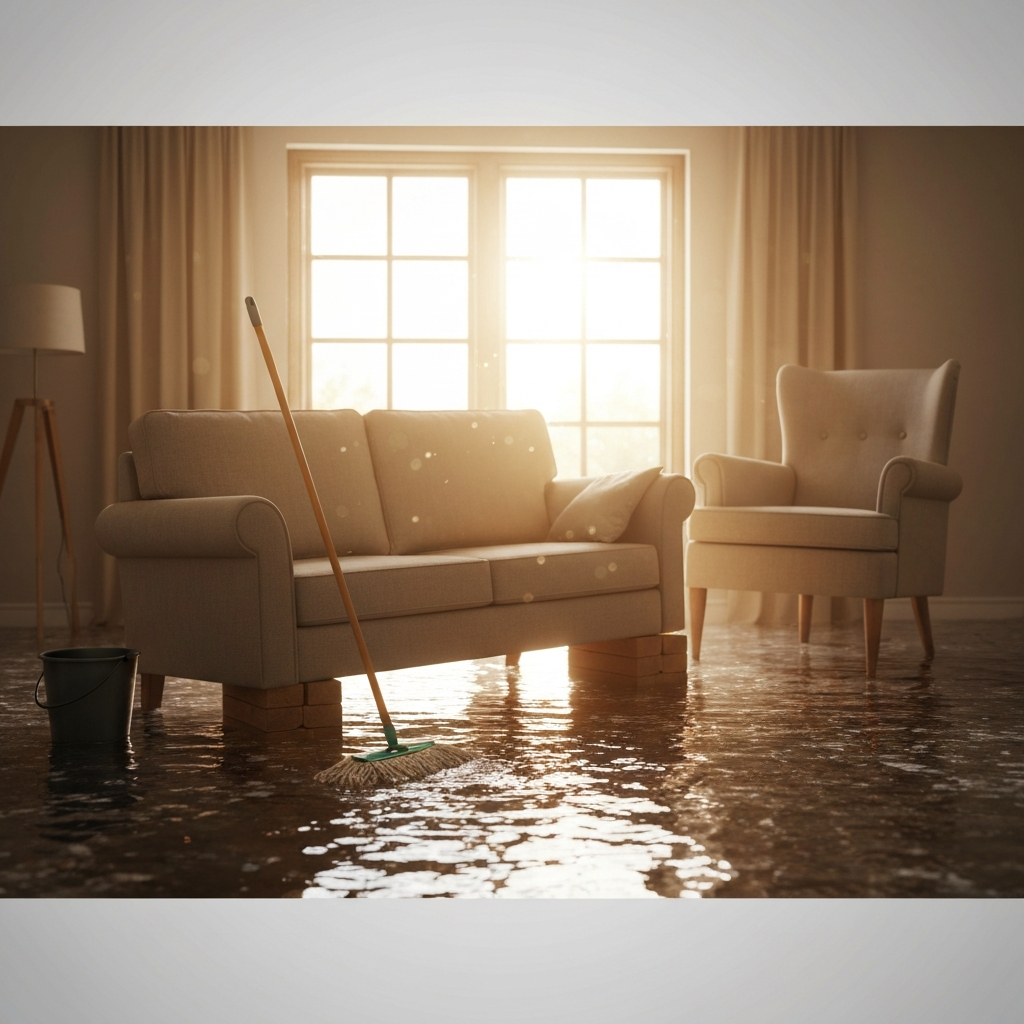
Discovering water damage in your home can be overwhelming. Whether from a burst pipe or a major flood, your first instinct is to remove the water. But what comes next? The cleanup process is more than just drying things out. Proper disinfection is a vital part of any water damage restoration plan. This guide will walk you through why disinfection is essential, what steps to take, and how to ensure your home is truly safe and clean after a water-related incident. For local help, see Tampa water damage restoration.
Understanding Water Damage and Why Disinfection Matters

When your home experiences water damage, you’re dealing with more than just moisture. Even water that seems clean can carry unseen contaminants. Disinfection is absolutely necessary because it eliminates harmful bacteria and fungi that thrive in damp environments, reducing the risk of mold and illness.
Skipping this step can have serious consequences. Flood water, for example, often contains sewage and other dangerous substances. Without proper disinfection, these contaminants can remain in your home, posing health risks and leading to persistent, unpleasant odors.
Types of Water Damage Common in Tampa-St Petersburg (Sarasota), FL
In areas like Tampa-St Petersburg and Sarasota, water damage can come from many sources. A natural disaster like a hurricane can bring storm surges and heavy flood water, which is highly contaminated. This type of water, known as “black water,” requires specific and careful disinfection protocols due to the severe health hazards it presents.
Other common sources include household incidents. A burst pipe or a broken supply line can release what’s called “clean water.” While it starts from a sanitary source, it can quickly become contaminated if it mixes with dirt or sits for too long.
You might also encounter “gray water,” which comes from appliances like a washing machine or dishwasher. This water has moderate contaminants and can cause illness if not handled correctly. Each type of water damage requires a different approach to ensure your home is safe.
How Water Damage Can Affect Home Safety and Health
Water damage doesn’t just harm your property; it can create significant health hazards and safety risks. One of the biggest dangers is mold growth. Mold spores are everywhere, but they only need moisture to multiply, which can happen within 24 to 48 hours after a leak.
These issues can compromise your home’s safety in several ways. Lingering moisture can weaken the structure of your home, causing wood to rot and drywall to crumble. The combination of water and electricity also creates serious electrical hazards.
Some of the primary risks include:
- Respiratory problems from inhaling mold spores.
- Structural damage that weakens your home’s foundation and walls.
- Electrical shock from contact with wet outlets or appliances.
- Bacterial infections from exposure to contaminated water.
The Immediate Steps to Take After Discovering Water Damage
When you find water damage, acting quickly is key. The first immediate steps you take can prevent further problems and make the cleanup process smoother. Your top priority should always be safety. After ensuring the area is safe to enter, you can begin documenting the damage for your insurance company.
Taking photos and videos before you move anything provides a clear record for your insurance claims. Once you’ve documented everything, you can start taking some initial steps to mitigate the damage before professionals arrive.
Ensuring Safety Before Cleanup Begins
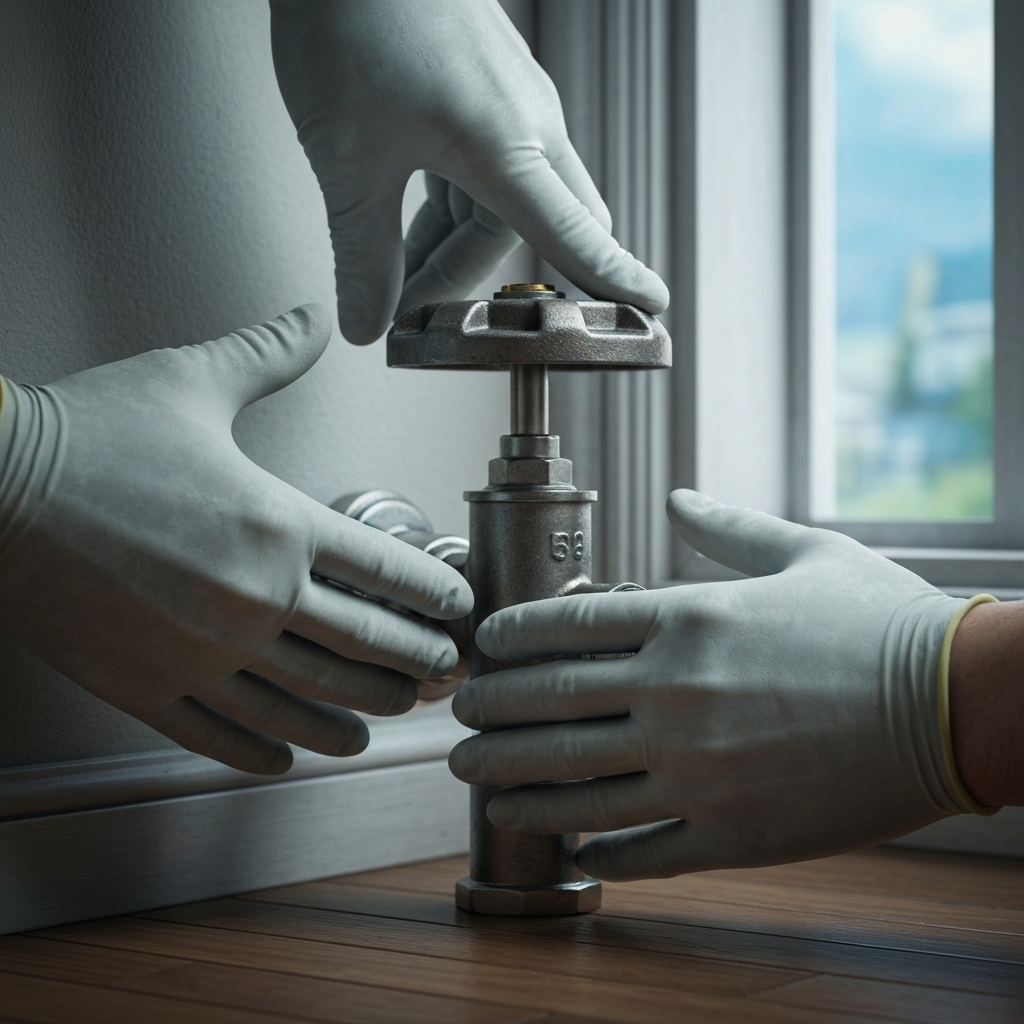
Before you touch anything, you must make sure the area is safe. The risk of electrical shock is very real, so shut off the power at the circuit breaker if any electrical components are wet. If you smell gas, turn off the main gas line and leave the house immediately.
Wearing the right protective gear is non-negotiable. This protective clothing keeps you safe from contaminants in the water and prevents injuries. Before starting any cleanup, gather these essential items:
- Rubber boots to protect your feet from contaminated water.
- Waterproof gloves to shield your hands.
- Safety goggles to prevent splashes from reaching your eyes.
- A safety mask to avoid inhaling mold spores or other airborne particles.
Once you are properly protected, you can proceed with documenting the damage for your insurance claims. Taking these safety precautions protects your health and well-being during a stressful time.
Assessing the Extent of the Damage in Your Property
Understanding the severity of the water damage is crucial for a successful water damage restoration. Water can seep into hidden areas like wall cavities and under flooring, causing damage that isn’t immediately visible. Professionals often use a moisture meter to detect hidden moisture in building materials.
To assess the damage, you first need to identify the type of water you’re dealing with. This helps determine the level of contamination and the necessary cleanup steps. The IICRC categorizes water into three types:
Category | Type | Description |
|---|---|---|
Category 1 | Clean Water | Originates from a sanitary source like a broken pipe or rainwater. Not initially hazardous. |
Category 2 | Gray Water | Contains moderate contaminants, such as water from a dishwasher or washing machine. |
Category 3 | Black Water | Highly contaminated water from sources like sewage backups or floodwater. Poses serious health risks. |
Knowing the category of water helps you and your restoration team plan the right approach to cleaning and disinfection. This initial assessment is key to preventing future water damage and long-term structural problems.
Why Disinfection Is Essential After Water Damage
After water removal and drying, your job isn’t finished. Disinfection is a critical step in the water damage restoration process. Simply drying a surface doesn’t eliminate the harmful bacteria and mold spores left behind, especially if the water was contaminated. Yes, water damage can easily lead to mold if you don’t disinfect properly.
Think of it as the final, protective layer of your cleanup efforts. Proper disinfection kills microscopic organisms that can cause illness, create bad odors, and lead to further damage down the line. It ensures your home is not just dry, but truly clean and healthy.
Risks of Skipping Disinfection (Mold, Bacteria, Odors)
Choosing to skip disinfection after water damage is a gamble with your health and your home’s integrity. The biggest risk is mold growth. Damp, un-disinfected surfaces are a perfect breeding ground for mold, which can appear in as little as 24-48 hours and release spores that cause respiratory problems.
Beyond mold, lingering moisture can harbor harmful bacteria from gray or black water sources. These contaminants can lead to serious health issues if not properly eliminated. You may also notice persistent bad odors that make your home unpleasant to live in.
Skipping this step creates several health hazards:
- Increased risk of mold-related allergies and respiratory issues.
- Exposure to bacteria that can cause infections and illness.
- Lingering musty or foul odors that permeate your home.
- Potential for long-term structural decay from hidden microbial growth.
Items and Areas That Require Thorough Disinfection
After a water incident, disinfection should be comprehensive. It’s not just about wiping down the visible hard surfaces. Water seeps into cracks and crevices, so you need to be thorough. Start with floors, walls, and any non-porous furniture that came into contact with the water.
However, some areas are less obvious but just as important. Wall cavities can trap moisture and contaminants, creating a hidden breeding ground for mold. Your HVAC systems can also circulate mold spores throughout the house if not properly cleaned and disinfected after being exposed to moisture.
Here are key areas and household items to focus on:
- All hard surfaces like floors, countertops, and tile.
- Interior wall cavities and insulation.
- HVAC systems, including vents and ducts.
- Woodwork, trim, and cabinetry.
- Some salvageable personal belongings, depending on the material.
Safe Cleaning and Disinfection Procedures for Water-Damaged Homes
Once your home is completely dry, the cleaning and disinfection process can begin. Following safe procedures is essential to ensure you eliminate all contaminants without causing further issues. This means using the right tools and products for the job and allowing for proper ventilation.
The cleaning process starts with removing any remaining mud or debris. After that, you’ll need to scrub and disinfect all affected surfaces. This part of the water damage restoration is crucial for returning your home to a safe state.
Recommended Disinfectants and Cleaning Products
When it comes to disinfection, not all cleaners are created equal. For general cleaning of hard surfaces, household detergents like dish detergent mixed with hot water can effectively remove dirt and grime. However, for true disinfection, you’ll need a stronger agent.
A chlorine bleach solution is one of the most effective and affordable options. A common mixture is one part bleach to ten parts clean water. This solution can be used to disinfect hard, non-porous surfaces. Never mix bleach with ammonia, as the fumes are toxic.
Here are some recommended products for your cleanup:
- Household detergents (e.g., Spic-n-Span, Top Job) for initial scrubbing.
- A diluted chlorine bleach solution for disinfection.
- Pine oil disinfectants (e.g., Pine-Sol) for textiles that cannot be bleached.
- Borax mixed with water for scrubbing mildew from wood.
DIY Disinfection Tips Versus Hiring Professional Restoration Services
Can you handle disinfection yourself? For very minor leaks involving clean water, a DIY approach might be possible. However, for most water damage situations, especially those involving contaminated water or large areas, hiring professional restoration services is the safest and most effective choice.
Restoration professionals have the right tools, commercial-grade equipment, and expertise to handle the job correctly. They can detect hidden moisture, ensure thorough disinfection, and prevent further damage. While DIY can seem cheaper, mistakes can lead to costlier problems like persistent mold.
Consider hiring professionals if:
- The water damage involves gray or black water.
- The affected area is large.
- Water has seeped into walls, subfloors, or your HVAC system.
- You want the peace of mind that the cleaning process is done right.
Conclusion
In summary, addressing water damage promptly and effectively is crucial for ensuring the safety and health of your home. Disinfection plays a vital role in preventing mold growth, bacteria proliferation, and unpleasant odors that can arise from lingering moisture. By understanding the risks associated with water damage and following the recommended steps for cleaning and disinfection, you can protect your living environment. Whether you choose to tackle the disinfection yourself or enlist the help of professionals, taking action is essential. For personalized guidance and support, consider booking a free consultation with our experts to ensure your home is restored to its best condition.
Frequently Asked Questions
How soon should disinfection start after water damage in Florida?
In Florida’s humid climate, the cleanup process should begin as soon as possible. Disinfection should start immediately after the water removal and drying stages are complete, typically within 24 to 48 hours of the initial water damage, to prevent rapid mold growth and bacterial contamination.
Does every type of water damage require professional disinfection?
Not always. Minor damage from clean water might be manageable on your own. However, any water damage involving gray water or black water requires professional restoration. Professionals have the right equipment and training to safely handle hazardous contaminants and ensure complete disinfection.
How long does it usually take to disinfect a home after water damage?
The time needed for disinfection depends on the size of the affected area and the extent of the damage. After the drying process is complete, the actual cleaning process and disinfection can take anywhere from a few hours for a small space to several days for a large-scale water damage restoration project.
Need professional sanitization services in Tampa? Contact 911 Restoration of Tampa Bay for thorough sanitization and disinfection services. Call (813) 261-1525 today.
Latest Posts
Contact Us
For Advice
Need help? Talk to an expert
(813) 261-1525