


28
Aug
What To Do in the First 60 Minutes After Water Damage in Homes
Key Highlights
Here is a quick look at the most important actions to take after discovering water damage in your home.
- Your first step is to ensure everyone is safe by turning off the electricity and water sources.
- Quick action is essential to prevent long-term issues like structural problems and mold growth.
- Fast water removal minimizes damage, so contact a professional restoration company immediately.
- Protect your valuables by moving them to a dry area and document everything for insurance claims.
- The drying process is key to a successful recovery and helps keep your repair costs down.
Introduction
Discovering water damage in your home, whether from storm flooding or a burst pipe, can be overwhelming. When water gets in, every second counts. The initial steps you take within the first hour are crucial for protecting your property and family. This guide is designed to help Tampa Bay homeowners like you act quickly and effectively. By following these steps, you can minimize damage, reduce repair costs, and start the restoration process on the right foot.
Immediate Safety Steps to Take After Water Damage in Your Tampa Bay Home

Before you do anything else, your top priority should be safety. Water damage creates hidden dangers that can put you and your family at risk. Standing water can hide electrical hazards or cause structural damage that isn’t immediately visible.
Acting with utmost care is essential. The risk of mold growth begins quickly, but immediate dangers like electrical shock are more pressing. Calling restoration professionals ensures the situation is handled safely. Let’s look at how to secure your home and check for hazards.
Turning Off Electricity and Water Sources Safely
One of the most critical first steps is to shut off your home’s electricity and water. This simple action can prevent electrocution and stop more water from entering your home. If you can safely reach your circuit breaker box without stepping in water, turn off the power to the affected areas. If the box is wet or surrounded by water, do not touch it.
Next, you need to stop the flow of water. Locate your home’s main water shutoff valve and turn it off. This is usually found in a basement, crawl space, or near your water heaters. Knowing where these controls are before an emergency happens is a great idea.
- Find your main electrical panel and turn off the breakers for the wet rooms.
- Locate the main water shutoff valve for your plumbing and turn it clockwise to close it.
Taking these precautions protects your home’s structural integrity and makes the restoration process safer for everyone involved. It’s a vital part of managing any water damage situation.
Checking for Hidden Hazards Like Mold and Structural Risks
After ensuring the immediate electrical and water risks are handled, you need to look for other hidden dangers. Water can weaken your home’s structure and create the perfect environment for mold growth surprisingly fast. You may notice a musty smell, which is an early sign of mold or mildew.
Look closely at walls, floors, and ceilings for signs of warping or sagging, as this can indicate structural damage. Moisture can also seep into areas you can’t see, so it’s important to be thorough. Be cautious and avoid touching areas with potential hazardous materials. Open windows to let fresh air in if the weather outside is dry.
- Check for sagging drywall or ceilings.
- Look for warped flooring or peeling paint.
- Inspect carpets and furniture for dampness.
- Listen for dripping sounds inside walls.
Never use electrical appliances in wet areas, and be careful where you walk. If you see signs of serious damage, it’s best to stay out of that area and wait for professionals to assess the safety of your home.
Controlling and Stopping the Source of Water Quickly
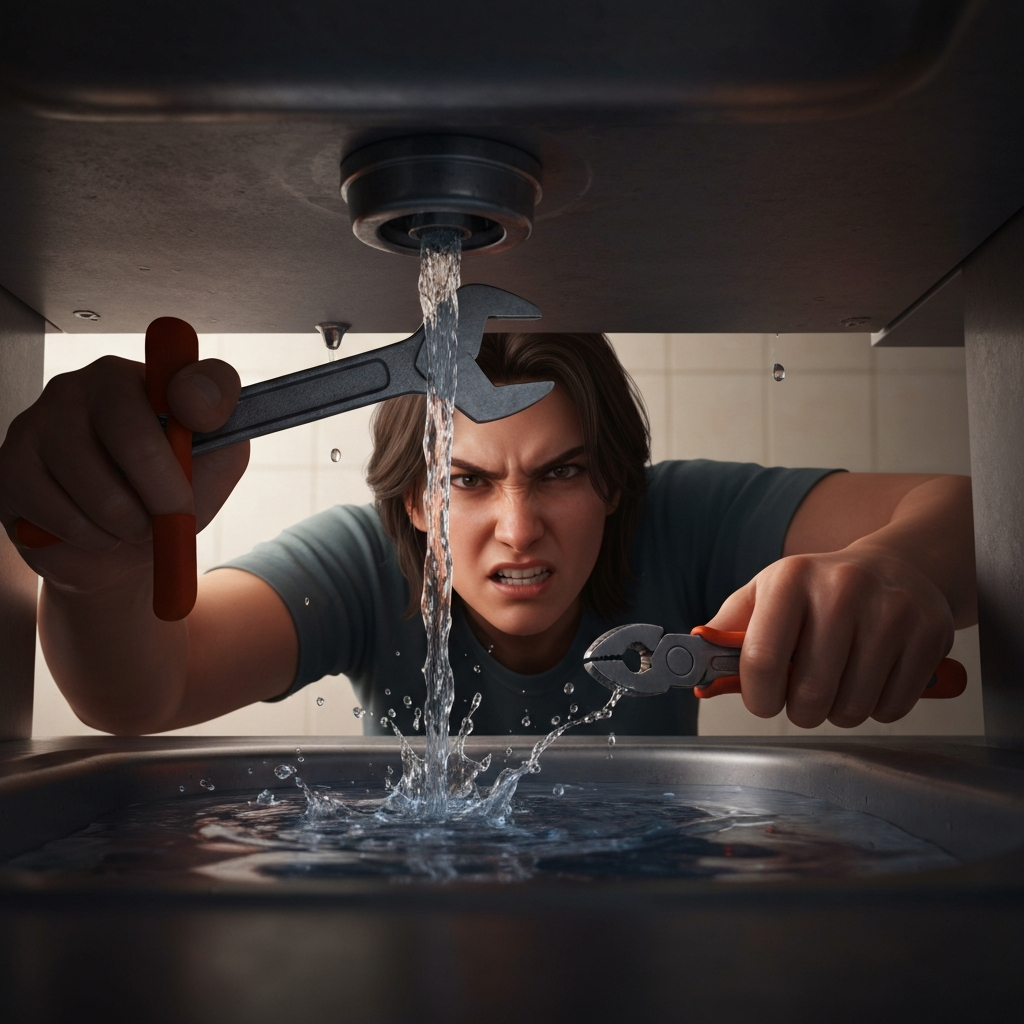
Once you’ve made the area safe, the next goal is to stop the water at its source. Whether it’s from flood water, burst pipes, or other leaks, identifying where the water is coming from is essential. The sooner you stop the flow, the less water extraction will be needed.
Delaying this step allows water to spread further, causing more damage and increasing the chance of mold. Quick action is your best defense against extensive issues. Below, we’ll discuss how to find the source of the water and what local resources can help you.
Locating the Leak or Flooding Source
Finding the origin of the water damage is a key step. Check the most common sources first, such as your plumbing under sinks, behind toilets, and around appliances like washing machines and water heaters. Sometimes, minor leaks can go unnoticed for a long time, leading to significant problems.
If the damage is on your ceiling, it could be from roof leaks. After a storm, it’s wise to check your attic or top floor for signs of water. Even if you can’t fix the problem yourself, identifying the source helps professionals understand the extent of the damage. For small drips, placing a bucket underneath can help contain the water temporarily.
- Look for puddles around toilets, sinks, and tubs.
- Check appliance hoses for cracks or loose connections.
- Inspect your roof and attic for signs of water stains.
- Examine walls for damp spots, which could indicate a hidden pipe leak.
Addressing the source, even with a temporary fix, can prevent the damage from getting worse while you wait for help to arrive.
Using Local Tampa Bay Emergency Resources and Services
In a water damage emergency, you are not alone. Tampa has many local resources available to help you, including professional water damage restoration companies that offer 24/7 services. Calling for emergency water damage cleanup immediately can save you thousands of dollars in the long run. These teams have the right equipment to handle the job safely and efficiently.
A professional company can guide you through the entire restoration process, from water removal to drying and repairs. They can also work directly with your insurance provider. Getting expert help quickly is the best way to ensure a fast and complete recovery. Choosing the right service is important for a smooth restoration.
Here is a look at some options available for professional water damage restoration in the Tampa area:
Service Provider | Contact Information | Average Response Time | Specialties |
|---|---|---|---|
911 Restoration Tampa | (813) 280-0696 | Under 45 Minutes | Water, Fire, Mold, Sewage Cleanup |
Local Competitor A | (XXX) XXX-XXXX | 1-2 Hours | Water & Mold Remediation |
Protecting Your Possessions and Preventing Further Damage
While you wait for professionals to arrive, you can take steps to protect your personal belongings and prevent secondary damage. Acting fast can save important documents, furniture, and sentimental items from being ruined. Simple actions can make a big difference in the final repair costs.
These efforts focus on getting things out of the water’s path and starting the cleanup process safely. The next sections will detail how to move your valuables and which items you should prioritize to minimize your losses.
Moving and Elevating Valuables and Furniture
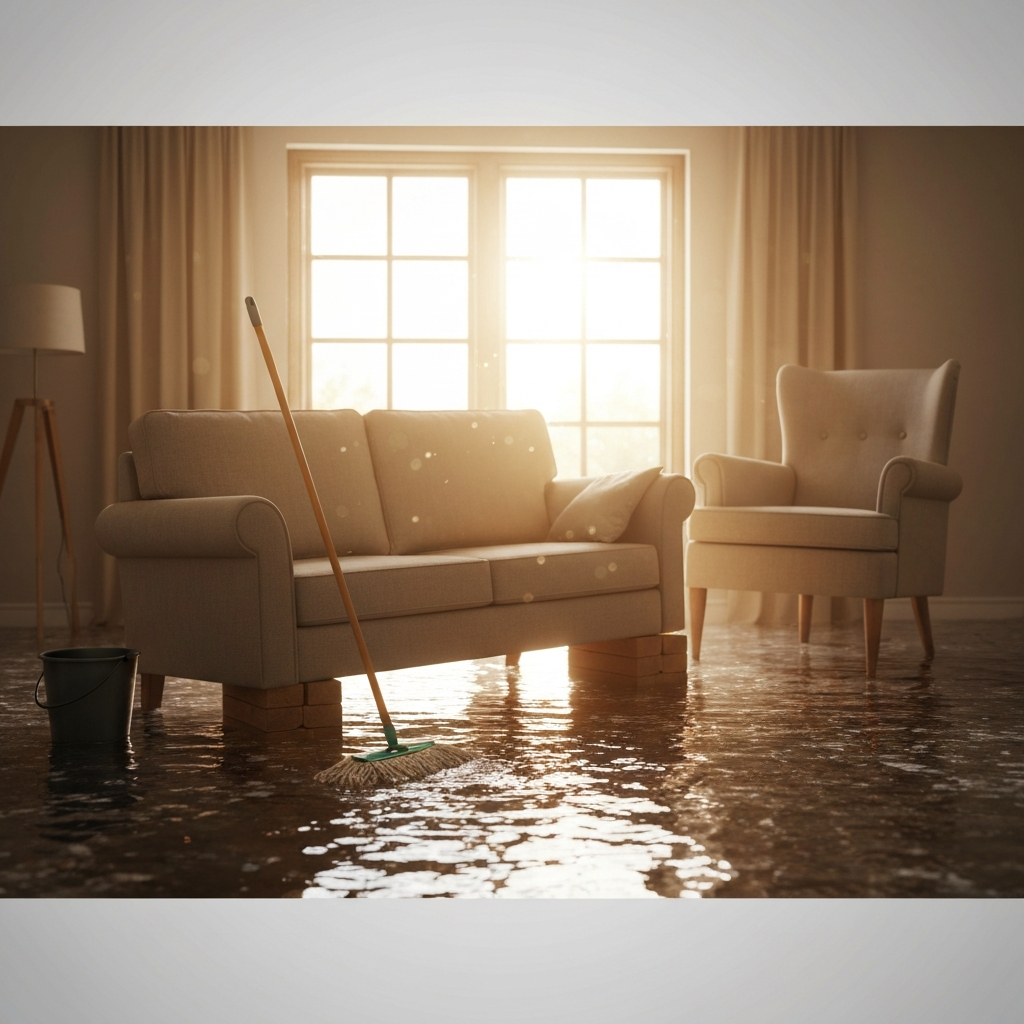
Start by moving smaller, more valuable items to a completely dry part of your home. Your goal is to get as much as possible off the wet flooring. If you can’t move heavy furniture, try to lift it onto blocks or place aluminum foil under the legs to prevent rust or wood stains on your rugs or carpet.
Removing wet rugs and curtains from the area is also a good idea. Hang them somewhere to dry if possible. This helps reduce the overall moisture in the room. If it’s not too humid outside, open windows to improve air circulation and help speed up the drying of your belongings.
- Move electronics, photos, and documents to a safe, dry location.
- Place wood or plastic blocks under furniture legs.
- Lift draperies and furniture skirts away from wet floors.
- Use plastic sheeting to protect items from dripping water if the leak is ongoing.
These small steps can protect your furniture and other belongings from absorbing more water while water levels are still a concern.
Items to Prioritize When Protecting Against Water Damage Loss
Some items are more vulnerable to water damage than others. Porous materials like paper, fabrics, and untreated wood can be ruined quickly. It’s important to focus on saving your most valuable possessions first. This includes irreplaceable items like family photos and important legal documents.
Electronics and appliances should also be a top priority. Unplug them if it is safe to do so, and move smaller electronics to dry areas. Items made of porous materials, such as upholstered furniture or anything with insulation, absorb water rapidly and should be addressed as soon as possible.
- Gather important papers, passports, and financial records and put them in a waterproof container.
- Move computers, televisions, and other sensitive electronics away from the water.
- Secure sentimental items like photo albums and heirlooms.
By prioritizing these items, you can save things that are difficult or impossible to replace.
Conclusion
In the aftermath of water damage, acting swiftly and safely is paramount. The first 60 minutes can make all the difference in minimizing damage and ensuring your home remains a safe haven. By following crucial steps such as turning off utilities, locating the source of the water, and securing your belongings, you set the foundation for effective recovery. Remember, prioritizing safety and prevention not only protects your property but also provides peace of mind during an otherwise stressful time. For personalized guidance tailored to your situation, don’t hesitate to book a free consultation with our experienced team. We’re here to help you navigate through this challenging experience!
Frequently Asked Questions
What documentation do I need to file a water damage insurance claim in Florida?
For water damage insurance claims in Florida, you need thorough documentation. Take many photos and videos of the damage and the source. Create a list of all damaged items with their estimated value. Keep all receipts for any immediate repairs or cleaning supplies you buy. Your insurer will need this proof.
Should I remove standing water myself or hire professionals in Tampa-St Petersburg?
You can remove small amounts of clean standing water with mops and towels. However, for larger amounts or if the water is contaminated, it is always safer to call for professional water damage restoration. Restoration professionals have the right equipment for complete water restoration and can prevent further issues.
What should I absolutely avoid doing in the first 60 minutes after home water damage?
In the first hour, never use electrical appliances in wet areas or enter rooms with standing water if the power is on. Avoid using a regular vacuum to remove water. Most importantly, do not delay calling for help, as a delayed cleanup can lead to mold and more severe damage.
Latest Posts

Contact Us
For Advice
Need help? Talk to an expert
(813) 261-1525