

28
Aug
Top 7 Causes of Water Damage in Tampa Bay Homes Revealed
Key Highlights
- Severe weather events in Tampa Bay, like tropical storms and heavy rain, are a primary cause of water damage.
- Plumbing failures, including pipe bursts and hidden leaks behind walls, often lead to significant property damage.
- Appliance malfunctions and faulty fixtures can create slow leaks that result in mold growth and costly repairs.
- Poor yard drainage and grading issues specific to Florida can cause water to pool and seep into your home’s foundation.
- Roof leaks and clogged gutters are common culprits that allow water intrusion from the outside.
- Understanding these causes is the first step for property owners to prevent extensive restoration costs and protect their homes.
Introduction
Living in the beautiful Tampa Bay area comes with unique challenges, especially when protecting your home from water damage. This issue is one of the most common and expensive problems local homeowners face. The combination of our climate and aging infrastructure creates a perfect storm for property damage. By learning to spot potential risks early, you can avoid the stress of extensive restoration projects and save thousands of dollars. This guide will help you understand the top causes of water intrusion and keep your home safe.
Major Weather-Related Causes of Water Damage in Tampa Bay
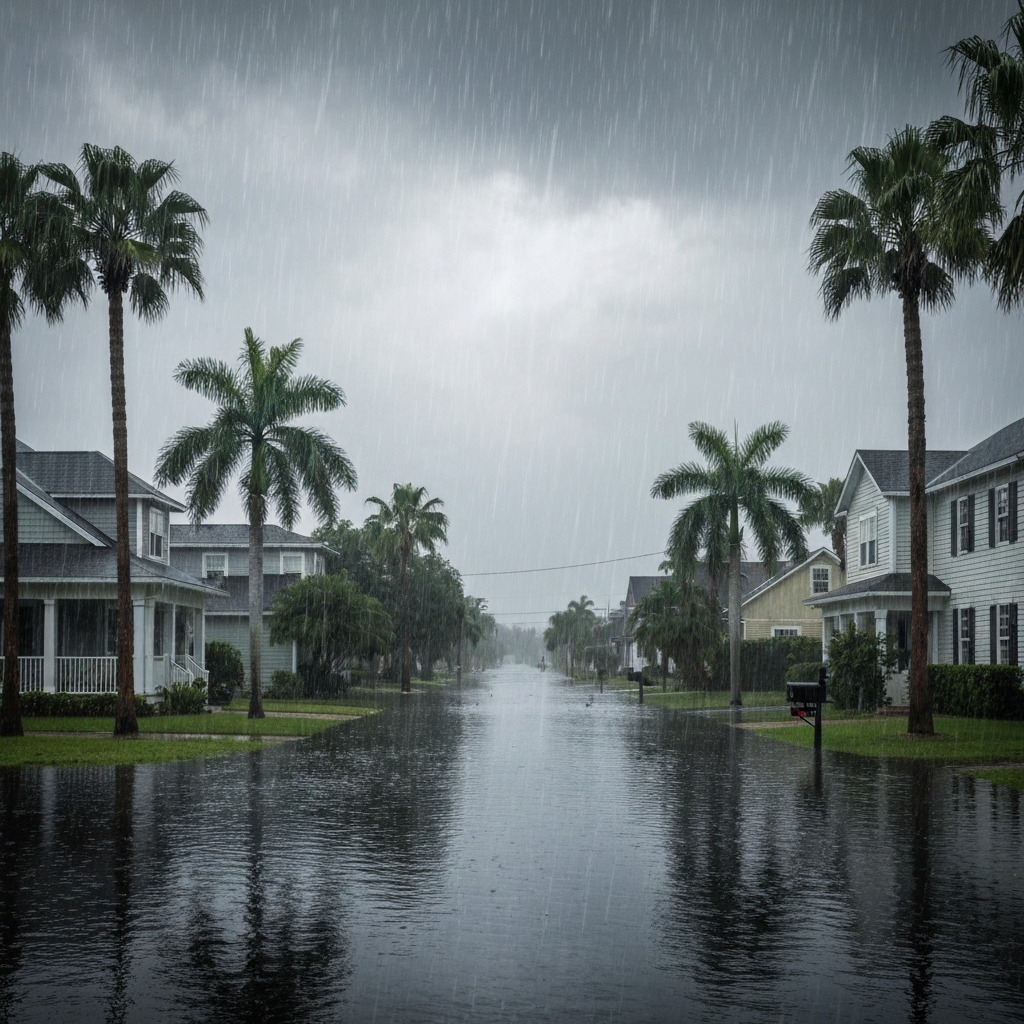
Tampa Bay’s weather is a major factor behind many water damage incidents. The region’s frequent heavy rainfall and tropical storms put constant pressure on your home’s exterior, leading to a high flood risk. These powerful weather systems can easily overwhelm drainage systems and create openings for water to enter.
Understanding how our climate impacts your property is crucial for prevention. From intense downpours to hurricane-force winds, the weather can cause substantial harm. Let’s look at how specific weather events contribute to water damage in local homes.
Heavy Rainfall, Tropical Storms, and Hurricanes
The Tampa Bay area receives significant rainfall each year, which can lead to substantial water volumes around your home. During the wet season, frequent downpours can test your property’s defenses. Tropical storms and hurricanes bring even greater challenges, with strong winds driving rain sideways and forcing it through the smallest cracks in your home’s exterior.
This kind of severe weather event can quickly turn a minor issue into a major problem. When intense rain combines with high winds, your roof and windows are put under immense stress. Water can find its way in through damaged shingles, weak window seals, or other vulnerable spots.
To protect your home from these threats, you can take several proactive steps:
- Ensure your gutters and downspouts are clear of debris to handle heavy water flow.
- Inspect your roof regularly for any damage, especially before hurricane season begins.
- Consider installing hurricane shutters to protect windows from wind-driven rain and debris.
Flooding During Severe Weather Events
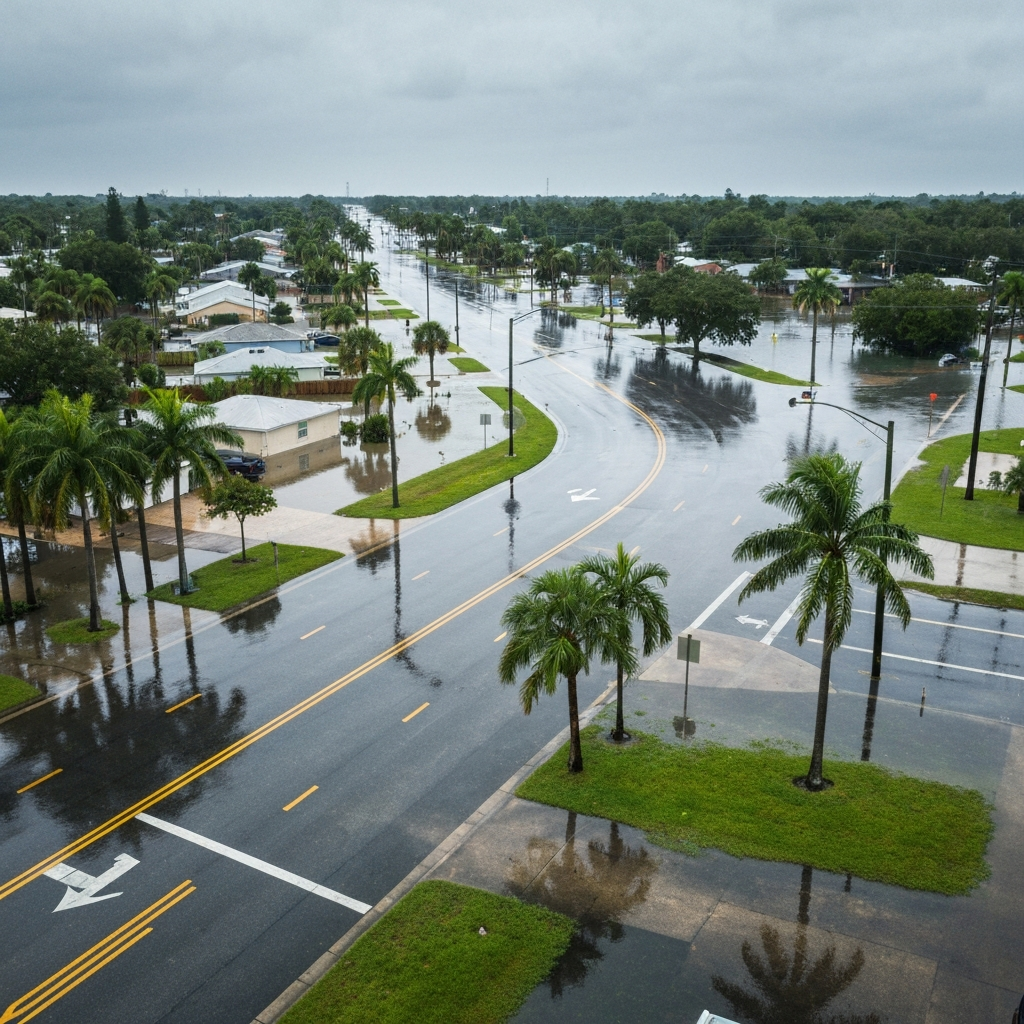
Beyond wind and direct rainfall, flooding is a major concern during severe weather events in Tampa Bay. Low-lying neighborhoods are particularly vulnerable when heavy rains cause water levels to rise quickly. This excess water can pool around your home’s foundation and lead to serious water intrusion if not managed properly.
When stormwater drainage systems are overwhelmed, the flood risk increases dramatically. Water can seep through foundation cracks, under doors, and into crawl spaces, causing widespread damage. This type of incident often leads to complex storm damage repairs and extensive restoration projects.
Protecting your home involves more than just sealing it from rain; you also need to manage the water on the ground. Quick action is essential if you notice water accumulating around your property during a storm. Addressing these issues promptly can prevent long-term structural problems and keep your home dry.
Plumbing Failures and Leaks Inside the Home
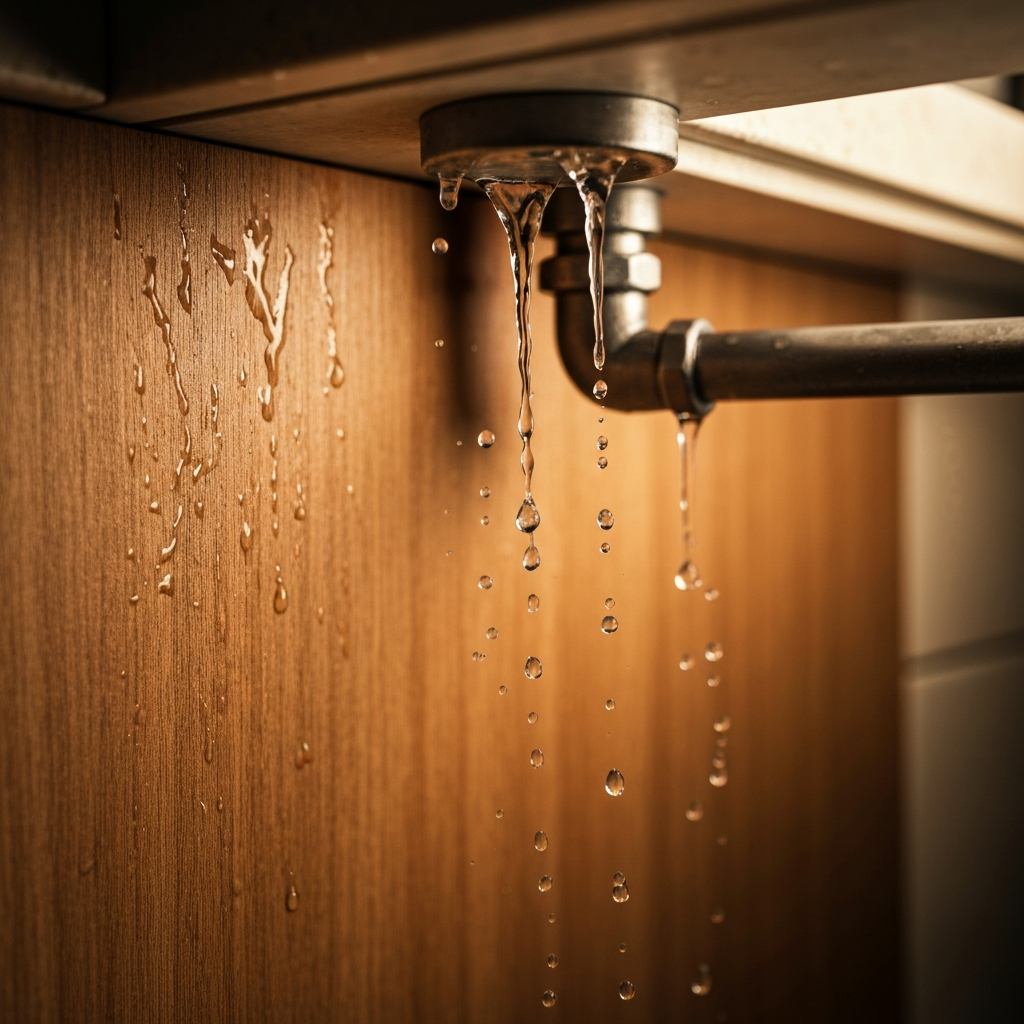
While weather is a huge factor, many sources of water damage start right inside your home. Plumbing failures are a leading cause of water issues for property owners, often happening silently behind interior walls or under floors. These hidden leaks can cause damage for weeks or months before they are discovered.
Many homes in the Tampa Bay area have older plumbing systems that are more likely to fail. From slow drips to sudden pipe bursts, these problems can lead to costly repairs and structural harm. Next, we will cover the most common types of plumbing issues to watch for.
Pipe Bursts and Hidden Leaks Behind Walls
Some of the most destructive water damage comes from pipe bursts and hidden leaks within your household plumbing. In many Tampa homes, aging pipes made of older materials are prone to corrosion and can fail unexpectedly. This deterioration is often accelerated by the mineral content in Florida’s water, increasing the risk of a sudden rupture.
Hidden leaks are especially tricky because they can go unnoticed for a long time, allowing moisture to soak into your walls, ceilings, and floors. This creates a perfect environment for mold to grow, which can complicate the restoration process. Early detection is key to preventing a minor leak from becoming a major disaster.
Be on the lookout for these common warning signs. If you notice any of them, it may be time to call restoration professionals.
Warning Sign | What It Could Mean |
|---|---|
Discolored Water | Your pipes may be corroding from the inside. |
Decreased Water Pressure | There could be a leak somewhere in your plumbing system. |
Unusual Sounds in Pipes | Gurgling or banging might indicate pressure issues. |
Unexplained Water Bill Increases | A spike in your bill often points to a hidden leak. |
Appliance Malfunctions and Faulty Fixtures
Your everyday household appliances, like washing machines, dishwashers, and refrigerators, are all connected to your water supply. Over time, the hoses and connections on these appliances can weaken, crack, or come loose. A small drip from a faulty hose can lead to significant water damage if left unchecked.
Appliance malfunctions are a common source of water issues in kitchens and laundry areas. For example, a washing machine hose failure can release a large amount of water very quickly. Similarly, a leaking water heater or a cracked drain pan under your AC unit can cause slow, steady damage to surrounding structures.
You can take simple, practical steps to prevent these problems before they start:
- Inspect appliance hoses and connections every six months for signs of wear.
- Replace standard rubber hoses with more durable stainless steel braided alternatives.
- Place drain pans or moisture sensors near appliances that use water.
Outside Sources and Drainage Problems Specific to Florida
The unique environment in Florida creates another set of challenges for homeowners. Problems outside your home, like poor yard drainage and grading issues, can easily lead to water intrusion. Because much of the state is flat, water doesn’t always flow away from your house as it should.
This can cause water to pool around your foundation, putting constant pressure on your home’s exterior. An exterior seal inspection can reveal weak spots, but managing the water around your property is just as important. Let’s explore how to address these specific outdoor challenges.
Poor Yard Drainage and Grading Issues
Florida’s flat landscape and sandy soil make proper yard drainage essential for preventing water damage. If the ground around your home doesn’t slope away from the foundation, rainwater will collect there. This pooling water will eventually find its way inside through tiny cracks in the concrete slab or walls.
These grading issues are a common problem that can lead to persistent moisture signs in your home, like dampness in a crawl space or musty smells. A proactive inspection of your yard can help you identify areas where water collects after it rains.
To improve your property’s drainage and protect your foundation, consider these steps:
- Ensure the ground slopes away from your home to direct water runoff.
- Install French drains or swales in low-lying spots to channel water away.
- Keep gutters and downspouts clear so they can function correctly.
Roof Leaks and Clogged Gutters
Your roof is the first line of defense against rain, but Florida’s intense sun, high humidity, and frequent storms can cause roofing materials to wear out quickly. A small leak from a damaged shingle or cracked flashing can allow water intrusion, leading to stained ceilings and damaged insulation.
Clogged gutters present another serious threat. When gutters are full of leaves and debris, rainwater can’t drain properly. Instead, it overflows and runs down the side of your house, pooling at the foundation. This essentially directs water to the most vulnerable part of your home.
Regular maintenance is the best way to prevent these issues. A routine exterior seal inspection of your roof and cleaning your gutters at least twice a year can stop water damage before it has a chance to start. This simple upkeep helps ensure your home stays dry and protected.
Conclusion
In summary, understanding the top causes of water damage in Tampa Bay homes is crucial for homeowners to protect their investments and ensure a safe living environment. From severe weather events to plumbing failures, being aware of these risks allows you to take proactive measures to prevent significant damage. Regular inspections, maintenance, and proper drainage solutions can make a significant difference in safeguarding your home. If you’re looking for personalized advice on protecting your property from water damage, don’t hesitate to book a free consultation with our experts today. Your home deserves the best care!
Frequently Asked Questions
What are the early warning signs of water damage in a Tampa home?
Early warning signs of water damage include musty odors that could signal mold growth, visible water stains on walls or ceilings, and peeling paint. Also, watch for warped floors or unexplained water bill increases. Noticing these moisture signs early can help you prevent more serious problems.
How can Tampa Bay homeowners prevent water damage from heavy rain?
To prevent water intrusion from heavy rain, perform regular maintenance on your home’s exterior. Keep gutters clean, inspect your roof for damage, and ensure windows and doors are properly sealed. Prompt repairs and a proactive inspection of your yard’s drainage can also make a big difference.
Are there specific insurance options for water damage protection in Florida?
Yes, but property owners should review their policies carefully. Standard homeowner’s insurance often covers sudden damage, like a pipe burst, but may exclude issues caused by a high flood risk. You may need a separate flood insurance policy, especially in Tampa Bay, to be fully protected from all water damage restoration costs.
Latest Posts

Contact Us
For Advice
Need help? Talk to an expert
(813) 261-1525