

28
Aug
Burst Pipe vs. Flooding: Which Water Damage Causes More Harm?
Key Highlights
- Water damage from a burst pipe often involves clean water, while flooding brings in contaminated “black water.”
- Flooding typically causes more widespread and hazardous damage, affecting the foundation and lower levels of your home.
- A burst pipe can still lead to severe structural damage and mold growth if not addressed quickly.
- Standard homeowners insurance usually covers a burst pipe but often requires a separate policy for flooding.
- The source of the water—internal vs. external—is the main difference, impacting health risks and cleanup methods.
Introduction
Dealing with water damage is a challenge no homeowner wants to face. Whether it’s from a sudden burst pipe or widespread flood damage, water can cause serious harm to your property. But are both types of water damage the same? While both scenarios involve unwanted water in your home, they have very different causes, risks, and restoration needs. Understanding the distinction between a burst pipe and flooding is key to protecting your home and knowing what to do when disaster strikes.
Understanding Water Damage in Tampa-St Petersburg (Sarasota), FL
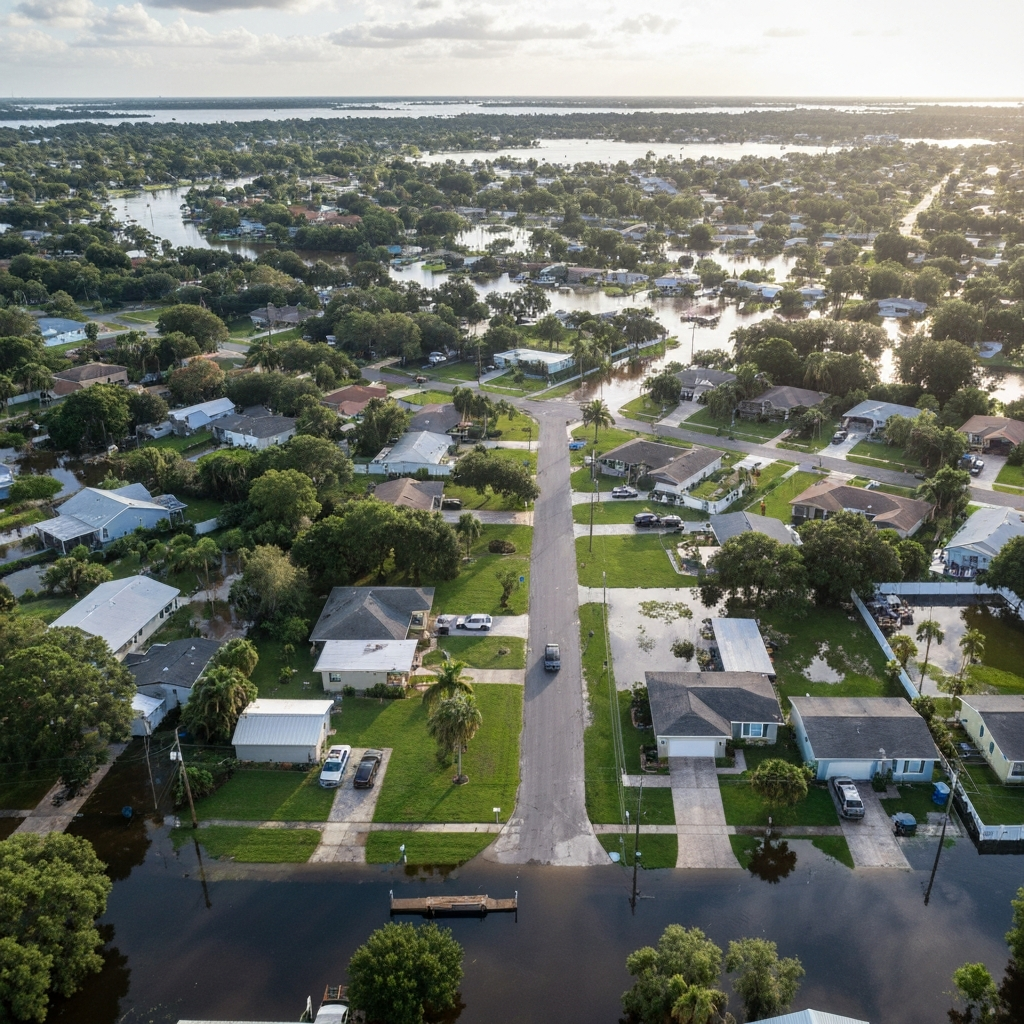
In the Tampa-St Petersburg and Sarasota areas, the risk of water damage is a year-round concern. From plumbing failures to severe weather, water can find its way into your home, leading to high repair costs and the potential for further damage if not handled correctly. The climate influence in Florida plays a significant role in the types of water risks homeowners face.
Understanding the source of the water is the first step in assessing the problem. A burst pipe inside your home presents a different set of challenges than a widespread flood caused by a storm. The differences impact everything from the immediate health risks to how insurance companies handle your claim. We’ll explore the common causes, warning signs, and what makes each situation unique.
Common Causes of Water Damage in Florida Homes
Water damage often happens in ways you might not expect. While a major burst pipe is an obvious emergency, many issues start small and grow over time. The main difference between a burst pipe and flooding is the source; one is internal from your plumbing system, and the other is external.
These slow, sneaky leaks are some of the most common causes of water damage in homes. They can come from various sources within your own four walls.
- Appliance Failures: An overflowing washing machine or a leaking dishwasher can release a surprising amount of water, damaging floors and walls.
- Pipe and Faucet Leaks: A leaky roof or a slow drip from a faucet might seem minor, but over time it can lead to rot and mold.
- Aging Plumbing: Cracks in water pipes or failing connections in your plumbing system can cause gradual damage that goes unnoticed for weeks.
Being aware of these common culprits helps you spot problems early before they turn into major headaches and costly repairs.
Climate Influence on Water Risk Factors
Florida’s climate is a major factor when it comes to water risk. The state’s susceptibility to heavy rainfall and tropical storms dramatically increases the chance of flooding. This climate influence means that water damage isn’t just a matter of indoor plumbing problems; it’s also about preparing for external threats.
When asking which causes more severe damage, a flood is often the answer. A burst pipe can certainly cause a lot of harm, but flooding introduces contaminated water that soaks everything from the ground up. This can include your home’s foundation, creating a more complex and dangerous situation.
During hurricane season, intense downpours can lead to flash flooding, where water rises rapidly and enters homes from the outside. This type of event can cause catastrophic damage, far beyond what a single burst pipe might do, leading to significant structural issues and additional damage that requires professional intervention.
Signs You May Have Water Damage
Sometimes, the signs of water damage are subtle. You might not see a puddle or a visible leak, but your house could be giving you clues. Recognizing these early warnings can help you prevent long-term effects like structural decay and persistent mold growth, which can occur after both pipe bursts and flooding.
Pay close attention to changes in your home’s appearance and smell. These signs often point to hidden water intrusion.
- Visible Stains or Warping: Look for yellowish or brown water stains on ceilings and walls. You might also see peeling paint or warped flooring.
- Musty Odors: A persistent damp, musty smell often indicates hidden moisture and potential mold growth in affected areas.
- Soft Spots: Drywall that feels spongy or soft to the touch is a clear indicator that water has soaked into the material.
If you spot any of these signs, it’s important to act quickly. Hidden water can compromise your home’s structure and air quality over time.
Burst Pipe Water Damage Explained
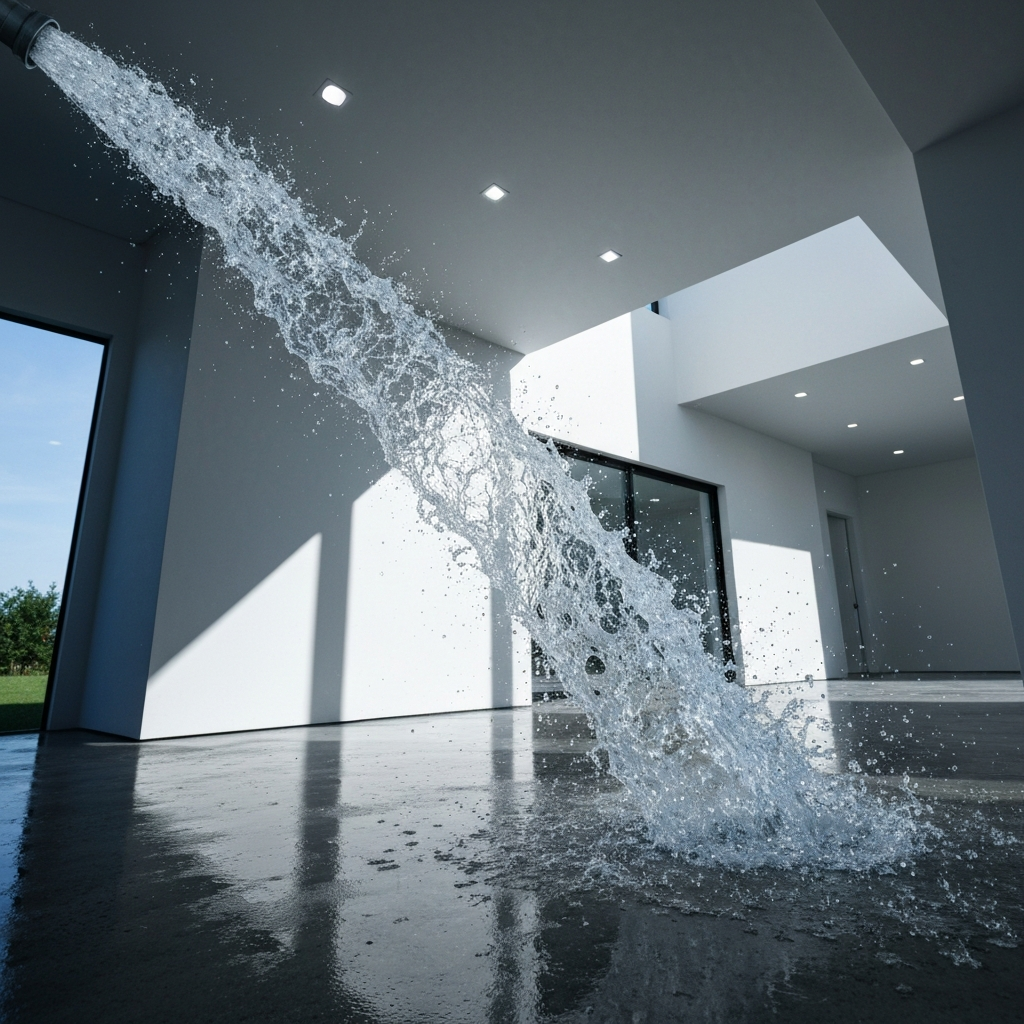
A burst pipe occurs when a water line inside your home fails, releasing a continuous water flow. While a flood often causes more severe and hazardous damage due to contamination, a burst pipe can still be incredibly destructive. A single break can release hundreds of gallons of water per hour, saturating walls, ceilings, and floors.
The water from a burst pipe is typically clean water, at least initially. However, it can quickly cause immense structural damage and lead to mold if water extraction isn’t performed promptly. Understanding your insurance policy is crucial, as this type of sudden damage is often covered. Next, we will cover why pipes burst and the immediate impact.
Why Pipes Burst in Tampa Bay Area
In the Tampa Bay area, pipe bursts happen for several reasons, and it’s not always about freezing temperatures. High water pressure is a common culprit, as it puts constant strain on your entire plumbing system, leading to weak spots and eventual failure.
Another major factor is the age of the pipes. Over time, materials like galvanized steel and copper corrode and weaken. A lack of maintenance can accelerate this process, making older homes more susceptible to sudden breaks. What starts as a small pinhole leak can quickly become a full-blown burst.
Physical damage is also a risk. Aggressive tree roots can wrap around and crack underground pipes in their search for moisture. Construction or landscaping work can also accidentally damage hidden water lines. Unlike flooding, which is an external event, these causes are all tied to your home’s internal plumbing.
Immediate Effects of a Burst Pipe
When a pipe bursts, the effects are immediate and often dramatic. The sheer volume of water can cause extensive damage in a very short amount of time. Even a small crack can release gallons of water, quickly turning a small problem into a major crisis.
The initial signs of pipe bursts are usually impossible to miss. While a flood might be considered more severe overall, the speed of a burst pipe’s destruction is shocking.
- Standing Water: You may find puddles or pools of water forming on floors, especially in basements, crawl spaces, or near appliances.
- Visible Water Damage: Stains will appear on ceilings and walls, and you may notice paint bubbling or wallpaper peeling.
- Drop in Water Pressure: A sudden, significant drop in water pressure or a complete loss of water from your faucets is a tell-tale sign of a major break.
- Unusual Noises: Hearing sounds of rushing or dripping water when all fixtures are off points directly to a leak.
These immediate effects on affected areas require quick action to prevent the damage from spreading further.
Typical Areas Impacted by Burst Pipe Water Damage
Water from a burst pipe can travel far from the source, impacting many different parts of your home. The damage often occurs in hidden areas, making it difficult to spot until it becomes severe. This is where a burst pipe can cause significant structural damage, sometimes rivaling floods depending on its location.
Water supply lines run throughout your home, putting many areas at risk. Here are some of the most common spots for damage:
- Inside Walls and Ceilings: This is where most pipes are located. A leak here can saturate drywall, insulation, and wooden studs.
- Crawl Spaces and Basements: These unheated areas are vulnerable, and a leak can go unnoticed, leading to mold and wood rot.
- Kitchens and Bathrooms: Areas under sinks, behind toilets, and near appliances like dishwashers are frequent problem spots.
- Laundry Room: The water hookups for your washing machine are another common point of failure.
When water soaks into these areas, it compromises building materials and can create hazards with electrical systems.
Flooding Water Damage Explained
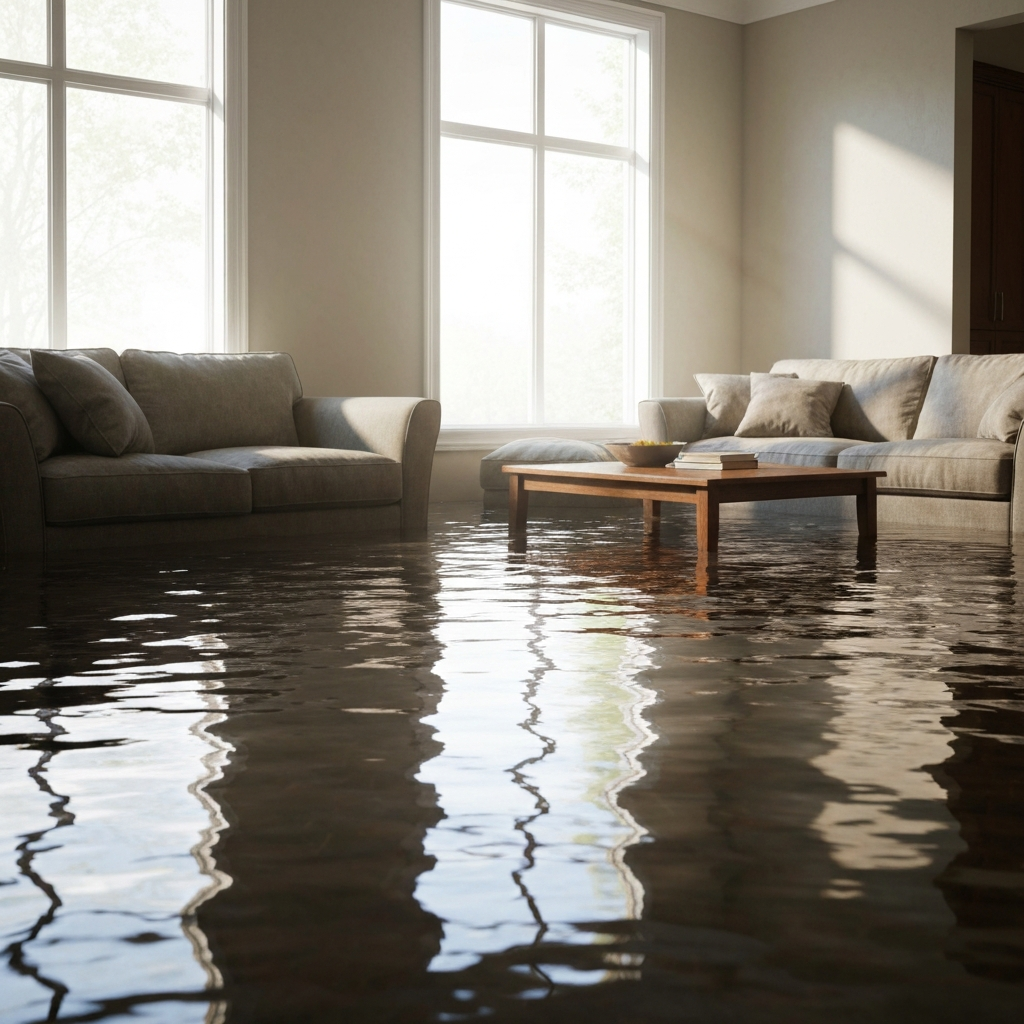
Flood damage is caused by water intrusion from an external source, like heavy rain or a storm surge. Unlike a burst pipe, floodwater is almost always contaminated, carrying everything from soil and chemicals to sewage. This contamination makes flood water damage significantly more hazardous than clean water from a pipe.
This water is classified as “black water” and poses serious health risks. It not only damages property but also creates an unsanitary environment that can lead to severe illness and aggressive mold growth. To prevent further damage and protect your health, cleanup requires professional expertise and equipment.
What Causes Floods in Sarasota and Surrounding Areas
In Sarasota and its surrounding coastal communities, flooding is primarily caused by severe weather. The main difference between this type of water damage and a burst pipe is that the water comes from outside your home, not from your main water supply or plumbing.
The tropical climate of Florida presents several distinct causes of flooding. These external events can quickly overwhelm a property.
- Heavy Rainfall: Prolonged, intense rain can saturate the ground, leaving excess water with nowhere to go but into low-lying areas and homes.
- Hurricanes and Tropical Storms: Storm surges from major weather events can push seawater inland, causing widespread and devastating flooding.
- Flash Flooding: Sudden, intense downpours can cause rivers and drainage systems to overflow rapidly, leading to flash flooding that catches homeowners by surprise.
Even a leaky roof during a severe storm can contribute to water intrusion, showing how external factors are the primary drivers of flood damage.
How Floodwater Enters Homes
Floodwater doesn’t need an open door to get inside your home. This external water intrusion can happen through tiny cracks and openings you might not even know exist. It seeps through foundations, rises under doorways, and can even come up through floor drains.
The way floodwater enters is a key reason why the categories of water damage are different for floods versus burst pipes. A burst pipe releases water from within the home’s structure, while floods force contaminated water into the home from the outside. This water soaks into building materials from the ground up, carrying silt, bacteria, and other pollutants with it.
This process of infiltration is why flood damage is so difficult to manage and why insurance companies treat it differently than internal water damage. The water’s path through soil and over ground surfaces guarantees it will be highly contaminated by the time it reaches your home.
Initial Impact of Flood Water Damage
The initial impact of floodwater is both destructive and dangerous. While a burst pipe can cause severe damage, a flood introduces immediate and serious health risks due to the nature of the water. This “black water” contaminates everything it touches.
The first moments of a flood create a hazardous situation that extends beyond soaked belongings. This is particularly true for any home or commercial property.
- Contamination: Floodwater is filled with bacteria, chemicals, and sewage, posing significant health risks.
- Electrical Hazards: Water can reach electrical outlets, creating a risk of shock or fire. It is crucial to turn off the power if it is safe to do so.
- Widespread Saturation: Flooding soaks the entire lower level of a home, including flooring, drywall, furniture, and personal items.
- Mold Growth: The damp environments created by flooding are a perfect breeding ground for mold, which can start growing in as little as 24 hours.
These initial impacts make flood cleanup a job for professionals who are equipped to handle the dangers involved.
Comparing Burst Pipe vs. Flood Water Damage
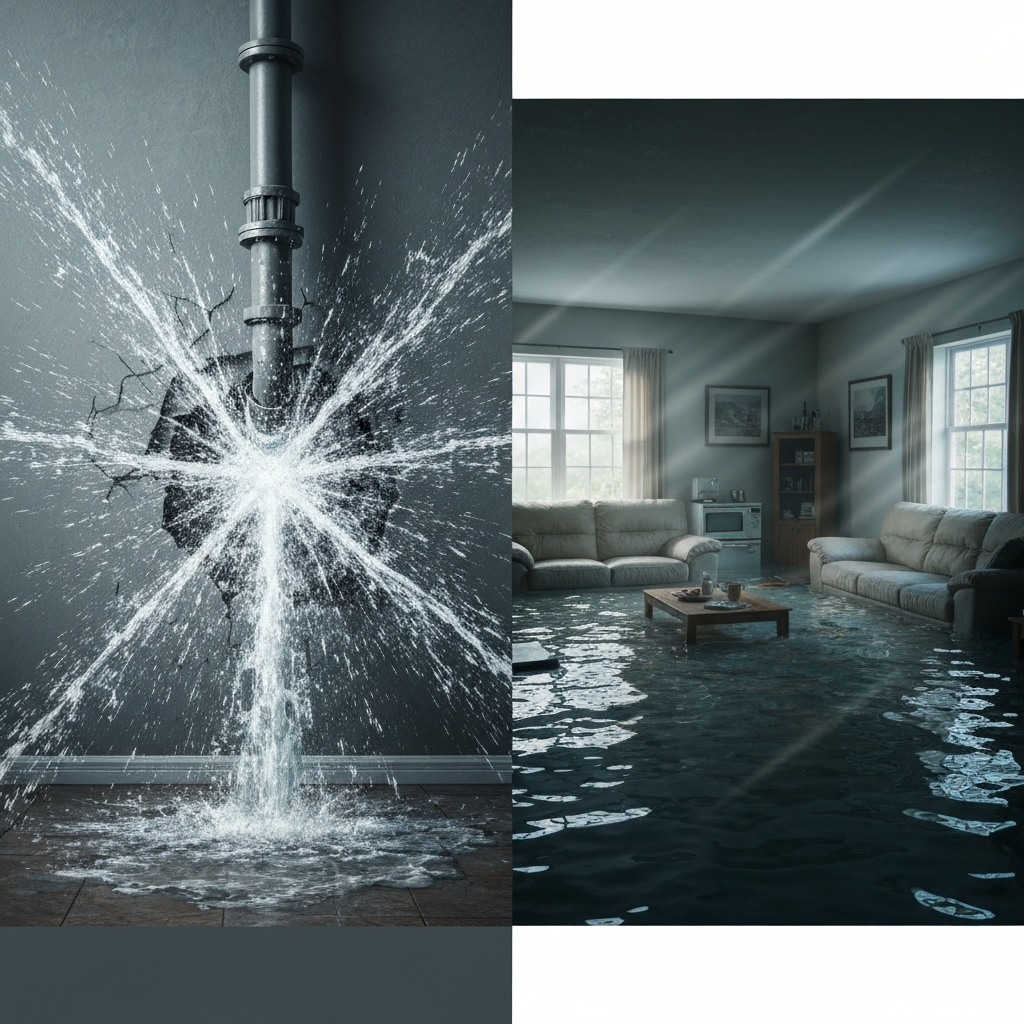
When you compare a burst pipe to flooding, it’s clear that both can cause major problems. However, the type and severity of the damage differ significantly. A burst pipe typically involves clean water that damages your home from the inside out, while flooding introduces contaminated water from the outside in.
Deciding which causes more severe damage often comes down to the contamination level and the scope of the impact. Flooding generally leads to more extensive structural damage and poses greater health risks. These differences are important when filing an insurance claim and planning the restoration process. Let’s look closer at how they stack up.
Severity of Damage: Burst Pipe vs. Flooding
The severity of water damage depends heavily on its source. A burst pipe can unleash a huge amount of water quickly, but it’s often localized to specific affected areas. Flooding, on the other hand, tends to be widespread, affecting the entire lower level of a home and its foundation.
Generally, floods cause more significant structural damage because the water can sit for longer and compromise the home’s core supports. The contaminants in floodwater also break down building materials faster. The type of damage from each event dictates the entire restoration approach.
Here is a simple comparison of the two:
Feature | Burst Pipe Damage | Flood Damage |
|---|---|---|
Water Source | Internal (plumbing system) | External (rain, storm surge) |
Water Quality | Category 1 (Clean Water) | Category 3 (Black Water) |
Common Affected Areas | Ceilings, walls, floors near the pipe | Foundation, crawl space, entire ground floor |
Primary Risk | Structural damage, mold | Health hazards, structural damage, contamination |
Understanding these differences is key to preventing further damage and starting the right cleanup process.
Structural Impact Differences
Both burst pipes and floods can lead to serious structural issues, but they affect a home differently. A burst pipe, often hidden in a wall or ceiling, can saturate building materials like drywall, insulation, and wooden studs for a long time before being discovered. This can lead to wood rot, weakened beams, and sagging ceilings.
In many cases, however, floods cause more profound structural damage. Floodwater attacks the base of your home, soaking into the foundation, floor joists, and support columns. The sheer weight and pressure of the water, combined with contaminants that accelerate decay, can lead to more costly repairs than many plumbing issues.
While a burst pipe might ruin a section of your home, a flood has the potential to compromise the entire structure from the ground up. This makes foundation checks and professional structural assessments essential after any flood event.
Which Is More Hazardous and Why?
Without a doubt, floodwater is more hazardous than water from a burst pipe. The reason is simple: contamination. A burst pipe usually releases clean, sanitary water directly from your plumbing. While this water can eventually lead to mold growth if left untreated, it doesn’t pose an immediate health risk upon contact.
Floodwater, however, is what professionals call “black water.” It has traveled across the ground, picking up everything from pesticides and industrial chemicals to raw sewage from overflowing sewer systems. Contact with this water can cause serious infections and illnesses. This is why insurance companies have different protocols for flood claims.
The health risks associated with flooding are severe. The water can contain dangerous bacteria and viruses, and the dampness it leaves behind promotes the growth of toxic mold. The combination of contaminated water and potential issues with electrical systems makes flooding a far more dangerous event for homeowners.
Categories and Classes of Water Damage
Not all water damage is the same. Professionals use a system of categories and classes to define the type of water and the extent of the damage. The category refers to the contamination level of the water, while the class describes how much of the area is saturated.
This system helps restoration experts determine the right cleanup process. For example, a burst pipe usually starts as clean water (Category 1), while a flood is always black water (Category 3). Understanding these differences is crucial for safety and for navigating your insurance claim, especially with programs like the National Flood Insurance Program.
Category 1-3 Water Damage Differences
Water damage is sorted into three categories based on its contamination level. These categories are very different for burst pipes and floods and guide how professionals approach the cleanup, which also impacts how insurance companies process claims.
Here’s a breakdown of what each category means for you:
- Category 1 Water Damage: This is “clean water” from sources like a burst pipe or overflowing sink. It is not immediately harmful to touch, but it can degrade to Category 2 if left standing.
- Category 2 Water Damage: Known as “grey water,” this water is contaminated and can cause illness. Sources include washing machine overflows or dishwasher leaks.
- Category 3 Water Damage: This is “black water,” which is grossly contaminated. It includes sewage backup and all floodwater from rivers or the sea. It is highly hazardous and requires professional handling.
A burst pipe starts as Category 1, while all natural flooding is immediately classified as Category 3.
Class 1-4 Water Damage Differences
In addition to categories, water damage is defined by classes, which describe the extent of saturation and how difficult it will be to dry the area. The class helps estimate the scope of work and potential repair costs.
The four classes range from minor to severe, reflecting how much water is involved and what materials are wet.
- Class 1 Water Damage: This is the easiest to deal with, affecting only a small part of a room with materials that absorb little water.
- Class 2 Water Damage: This affects an entire room, with moisture wicking up the walls at least a foot.
- Class 3 Water Damage: This is severe damage, often from an overhead source (like a burst pipe in the ceiling) that has saturated the entire area, including insulation and subfloors.
- Class 4 Water Damage: This class requires specialty drying for materials like hardwood, brick, or stone that have been deeply saturated with water.
A burst pipe or a flood could fall into any of these classes, depending on the volume of water and the time it sits.
Unique Considerations for Burst Pipe & Flood Water
When dealing with water damage, the source of the water creates unique challenges and long-term effects. A burst pipe provides a continuous water flow until it’s shut off, meaning quick action can limit the damage. Flooding, however, is an uncontrolled event where the water may remain for days.
The kind of water damage you have dictates the entire response. Here are some key considerations for each:
- Burst Pipe: The top priority is stopping the water flow. Emergency repairs are focused on the plumbing itself. The water is initially clean, making cleanup safer.
- Flood Water: Safety is the first concern due to contamination. You cannot stop the source, so efforts focus on protecting property and planning for a hazardous cleanup.
- Insurance: Your insurance claim will be handled very differently. Burst pipes are typically covered under standard policies, while floods require specific flood insurance.
- Long-Term Effects: Flooding has a higher risk of long-term structural issues and hazardous mold remediation due to contaminants.
Cleanup and Restoration: Burst Pipe vs. Flooding
The water damage restoration process looks very different for a burst pipe versus a flood. With a burst pipe, the focus is on rapid water extraction and drying to prevent mold. Since the water is clean, the team can often start saving materials right away.
Flood cleanup is a much more complex and hazardous process. Due to contamination, it involves removing and disposing of many saturated materials, followed by deep cleaning, sanitizing, and then mold remediation. Both situations require emergency services, but the tools and safety precautions are worlds apart. Let’s explore the specific steps and challenges for each.
Initial Steps for Each Type of Water Damage
Knowing the right first step to take can save you time, money, and stress. The immediate action required for a burst pipe is different from what you should do during a flood.
For a burst pipe, your priority is to stop the water at its source.
- Shut Off the Water: The very first step is to turn off your home’s main water valve.
- Turn Off Electricity: If water is near outlets, turn off the power at the breaker box to avoid electrical hazards.
- Call for Help: Contact a plumber for emergency repairs and a restoration company for water extraction.
- Document Everything: Take photos and videos for your insurance claim.
For a flood, your personal safety comes first.
- Evacuate if Necessary: If water levels are rising, get to higher ground.
- Avoid the Water: Do not walk or drive through floodwater, as it is contaminated and may hide dangers.
- Contact Professionals: Call your insurance agent and a certified restoration company.
Challenges Specific to Flood Cleanup
Flood cleanup presents a unique set of challenges that make it far more difficult than dealing with a clean water leak. The biggest hurdle is the contamination. Everything the floodwater touches must be considered hazardous.
This contamination dictates the entire cleanup process. Here are some specific challenges:
- Health and Safety Risks: Workers must wear personal protective equipment (PPE) to avoid contact with bacteria, viruses, and chemicals in the water.
- Material Disposal: Many porous materials, like carpet, drywall, and upholstered furniture, cannot be salvaged and must be thrown away.
- Extensive Sanitization: After water extraction, all remaining surfaces must be thoroughly cleaned and sanitized to eliminate pathogens.
- Mold Remediation: The high moisture and organic materials in floodwater create a perfect environment for aggressive mold growth, requiring professional mold remediation.
These factors are why flood cleanup is not a DIY job and why having separate flood insurance is so important.
Best Practices for Restoration in Florida Homes
Whether you’re dealing with a burst pipe or a flood, following best practices for restoration can help you recover faster and prevent future problems. The first rule is to act quickly, as damage worsens with every hour that passes.
For any type of water damage, from clean water to black water, here are some key steps recommended by experts like the Insurance Information Institute.
- Call Professionals Immediately: A certified restoration company has the equipment and expertise to handle the situation safely and effectively.
- Dry Everything Thoroughly: Use fans and dehumidifiers to remove all moisture from the structure and prevent mold.
- Document for Insurance: Keep detailed records of the damage and all communication with your insurance companies.
- Perform Regular Maintenance: To prevent future issues, regularly inspect your plumbing, roof, and drainage systems.
Preventing burst pipes and flooding through regular maintenance is the best way to protect your home in the Tampa-St Petersburg area.
Conclusion
In conclusion, understanding the differences between burst pipe and flooding water damage is crucial for homeowners in the Tampa-St. Petersburg area. Each type of damage presents unique challenges, from the immediate effects on your property to the long-term structural risks involved. By recognizing the signs of water damage early and knowing how to respond, you can mitigate potential harm to your home. Always prioritize effective cleanup and restoration practices tailored to the specific type of damage you face. If you’re dealing with water damage or want to prevent it in the future, don’t hesitate to reach out for a consultation. Your home’s safety and integrity are worth it!
Frequently Asked Questions
Does insurance cover burst pipe and flood water damage differently?
Yes, insurance companies treat them very differently. A standard homeowner’s policy usually covers sudden water damage from a burst pipe. However, you need a separate flood insurance policy, often through the National Flood Insurance Program (NFIP), to cover damage from external flooding. Always check your policy for specifics.
What should I avoid doing after water damage from a burst pipe or flood?
After any water damage, avoid using household vacuums to remove water, as they aren’t designed for it. Don’t use electrical appliances in wet areas. Most importantly, don’t wait to call for help. Delaying immediate action will only lead to higher repair costs and potential mold growth, causing further damage.
How can I prevent burst pipes and flooding in my Tampa-St Petersburg, FL home?
For your first time protecting your home, start with regular maintenance. Have a plumber inspect your plumbing system and water pipes annually. To reduce flood risk, ensure your yard has proper drainage and keep gutters clean. Knowing your home’s vulnerabilities is the best way to prevent a disaster.
Latest Posts

Contact Us
For Advice
Need help? Talk to an expert
(813) 261-1525